▲ 충남 보령시, '섬마을 단위 LPG 시설 구축' 모습 © 보령시 제공 |
충남 보령시가 올해 관내 섬 지역을 대상으로 정주 여건 개선과 소득 기반 확충, 관광 활성화를 동시에 추진하는 종합 발전 전략을 가동한다. 시는 기초생활 인프라 확충, 에너지 공급 안정화, 관광자원 고도화, 문화·복지 기반 강화라는 네 가지 축을 중심으로 총 170억 원 규모의 재정을 투입해 13개 유인도의 생활 환경을 단계적으로 끌어올린다는 구상이다.
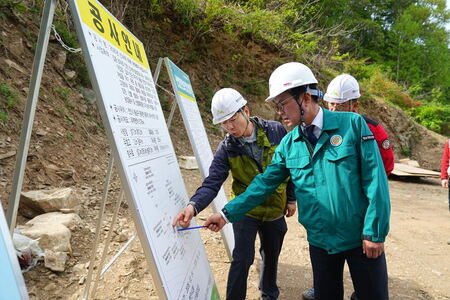
우선 생활 안전과 이동 편의를 높이기 위한 기반시설 정비가 본격화된다. 제4차 섬 종합개발사업을 통해 고대도와 월도 해안옹벽 보강, 원산도 해안 산책로 조성 등 11개 사업이 추진되며, 이에 약 72억 원이 배정됐다. 노후 해안시설을 정비하고 보행 동선을 개선해 주민 안전을 확보하는 동시에 관광 접근성을 높이겠다는 판단이다.
장기간 과제로 지적돼 온 에너지 수급 문제도 가시적인 해법 단계에 접어들었다. 섬마을 단위 LPG 공급 체계 구축을 통해 이미 고대도와 장고도 다수 가구에 가스 공급이 이뤄졌으며, 올해는 호도를 대상으로 동일한 생활 에너지 환경을 조성한다. 연료운반선의 정기 운항 체계도 병행해 난방유와 LPG 공급의 안정성을 높이고, 계절적 불균형을 완화하는 구조를 갖췄다.
섬의 고유한 자산을 관광 자원으로 전환하는 시도도 확대된다. 행정안전부 공모를 통해 선정된 섬 특성화사업을 기반으로 올해 7개 섬에 체험·체류형 시설이 들어서며, 중장기적으로는 섬 비엔날레와 연계한 문화·식음 기반 시설 운영도 준비되고 있다. 이는 단순 방문형 관광을 넘어 체류형·소득 연계형 구조로 전환하려는 전략적 접근으로 평가된다.
주민 생활의 질을 좌우하는 문화·복지 인프라도 한층 보강된다. 찜질방과 목욕탕, 체력단련 공간 등을 갖춘 복지문화센터 3곳이 순차적으로 문을 열 예정으로, 일부 섬은 상반기 내 시범 운영을 거쳐 정식 운영에 들어간다. 고령화 비중이 높은 섬 지역의 특성을 고려할 때, 이러한 복합시설은 의료·돌봄 접근성의 공백을 완화하는 실질적 기반으로 작용할 전망이다.
보령시의 이번 정책은 섬을 일회성 관광지가 아닌 지속 가능한 생활공간으로 재정의하려는 시도라는 점에서 의미가 크다. 물리적 인프라 확충에 그치지 않고 에너지, 복지, 관광을 유기적으로 결합한 점은 향후 도서 정책의 방향성을 가늠하게 한다. 섬의 생활 조건을 육지 수준으로 끌어올리는 것이 곧 지역 소멸 대응이자 균형 발전의 출발점이라는 인식이 정책 전반에 반영돼 있다.
*아래는 위 기사를 '구글 번역'으로 번역한 영문 기사의 [전문]입니다. '구글번역'은 이해도를 높이기를 위해 노력하고 있습니다. 영문 번역에 오류가 있을 수 있음을 전제로 합니다.<*The following is [the full text] of the English article translated by 'Google Translate'. 'Google Translate' is working hard to improve understanding. It is assumed that there may be errors in the English translation.>
Boryeong City, South Chungcheong Province, is launching a comprehensive development strategy this year to simultaneously improve living conditions, expand the income base, and revitalize tourism in its island regions. The city plans to invest a total of 17 billion won in four pillars: expanding basic living infrastructure, stabilizing energy supply, enhancing tourism resources, and strengthening cultural and welfare infrastructure. This will gradually improve the living conditions of 13 inhabited islands.
First, infrastructure improvements to enhance safety and accessibility will begin in earnest. The 4th Comprehensive Island Development Project will include 11 projects, including reinforcement of the coastal retaining walls on Godeodo and Woldo Island and the construction of a coastal walking trail on Wonsando Island. Approximately 7.2 billion won has been allocated for these projects. The goal is to improve aging coastal facilities and improve pedestrian routes, ensuring resident safety while also increasing accessibility to tourism.
The long-standing issue of energy supply is also approaching a tangible solution. Through the establishment of an LPG supply system at the island village level, gas has already been supplied to many households on Godeodo and Janggodo Islands. This year, a similar living energy environment will be established on Hodo Island. A regular fuel tanker service system will also be implemented to enhance the stability of heating oil and LPG supplies and mitigate seasonal imbalances.
Efforts to transform the islands' unique assets into tourism resources are also expanding. Based on island specialization projects selected through a public contest by the Ministry of the Interior and Safety, experience-based and stay-at-home facilities will be built on seven islands this year. In the mid- to long-term, cultural and food and beverage infrastructure linked to the island biennale is also being prepared. This is considered a strategic approach to shifting from simple visitor tourism to a stay-at-home and income-generating structure.
Cultural and welfare infrastructure, which determine the quality of life for residents, will also be further strengthened. Three welfare and culture centers featuring jjimjilbangs, bathhouses, and fitness centers are scheduled to open sequentially. Some islands will undergo pilot operations within the first half of the year before formal operation begins. Considering the characteristics of island regions with a high proportion of aging populations, these complex facilities are expected to serve as a practical foundation for alleviating gaps in access to medical care and care.
Boryeong City's policy is significant in that it attempts to redefine islands as sustainable living spaces, rather than one-time tourist destinations. Beyond simply expanding physical infrastructure, the organic integration of energy, welfare, and tourism provides insight into the future direction of island policy. The policy reflects the recognition that elevating island living conditions to those of mainland areas is both a response to regional decline and a starting point for balanced development.
원본 기사 보기:브레이크뉴스대전세종충청