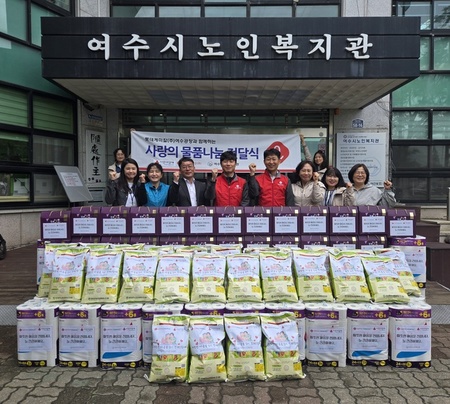
▲ 충남 청양군, 새해 첫 ‘긴급지원 심의위원회’ 개최 장면 © 청양군 제공 |
충남 청양군이 돌발적인 위기 상황에 놓인 군민을 신속히 보호하기 위해 올해 첫 긴급복지 대응 절차를 가동했다. 군은 지난 26일 군청에서 긴급지원 심의기구를 열고, 생계 유지가 어려운 위기가구를 대상으로 지원의 적정성과 사후 관리 방안을 종합적으로 검토했다고 27일 밝혔다.
이번 심의는 법령이나 지침의 획일적 기준에 얽매이기보다, 실제 생활 여건을 중심에 두고 지원 필요성을 판단하는 데 초점을 맞췄다. 주 소득자의 사망·실직, 중증 질환 등으로 생활 기반이 급격히 흔들린 가구에 대해 유연한 기준 적용을 통해 실질적인 보호가 이뤄지도록 결정했다는 점이 특징이다.
군에 따르면 지난해 긴급복지 지원 대상은 114가구로, 생계비와 의료비 등을 중심으로 약 2억1천5백만 원이 집행됐다. 이는 단기적 위기 완화에 그치지 않고, 가구가 다시 자립의 궤도에 오를 수 있도록 뒷받침하는 완충 장치로 기능했다는 평가다.
회의에서는 전년도 지원 실적을 토대로 '긴급성을 우선 고려해 선지원을 받은 가구의 사후 적정성 점검', '사정 변화로 기준을 벗어난 가구의 중단 여부 및 환수 면제', '기존 지원만으로 위기 해소가 어려운 가구에 대한 추가·연장 지원 여부' 등을 차례로 논의했다. 단순 집행이 아닌 사후 관리와 연계 지원의 중요성이 함께 강조됐다.
긴급복지지원사업은 위기 발생 시 생계·의료·주거 비용을 신속히 지원하는 제도로, ‘선지원 후점검’ 원칙을 통해 공백을 최소화하는 것이 핵심이다. 이는 행정 절차의 속도와 책임성을 동시에 확보하려는 제도적 장치로, 현장 중심 복지 행정의 대표적 수단으로 꼽힌다.
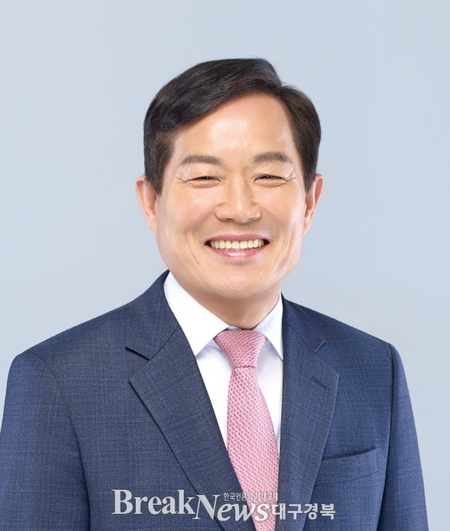
김돈곤 청양군수는 이번 심의를 통해 긴급복지가 일회성 지원에 머물지 않도록 관리 체계를 정교화하겠다는 방침을 세웠다. 위기 징후를 조기에 포착해 지원으로 연결하고, 이후 자립 가능성을 높이는 연계 서비스까지 이어가는 구조가 필요하다는 인식이 시의적절하게 반영됐다는 평가다.
급변하는 사회·경제 환경 속에서 지방정부의 긴급복지 역할이 더욱 중요해지는 만큼, 촘촘한 안전망 구축이 지역 복지의 신뢰도를 좌우할 것이라는 점에서 이번 조치는 의미가 작지 않다.
*아래는 위 기사를 '구글 번역'으로 번역한 영문 기사의 [전문]입니다. '구글번역'은 이해도를 높이기를 위해 노력하고 있습니다. 영문 번역에 오류가 있을 수 있음을 전제로 합니다.<*The following is [the full text] of the English article translated by 'Google Translate'. 'Google Translate' is working hard to improve understanding. It is assumed that there may be errors in the English translation.>
Cheongyang County, South Chungcheong Province, has launched its first emergency welfare response procedures of the year to swiftly protect residents facing sudden crises. The county announced on the 27th that it held an emergency support review committee at the county office on the 26th and comprehensively reviewed the appropriateness of support and post-management measures for households struggling to make ends meet.
This review focused on assessing the need for support based on actual living conditions, rather than being constrained by uniform standards set by laws or guidelines. A key feature of this review was the flexible application of criteria to ensure practical protection for households whose livelihoods have been drastically disrupted by the death or unemployment of the primary income earner, or by serious illness.
According to the county, 114 households received emergency welfare support last year, with approximately 215 million won distributed to cover living expenses and medical expenses. This support is evaluated to have not only alleviated the short-term crisis but also served as a buffer, supporting households back on the path to self-reliance.
The meeting, based on the previous year's support performance, discussed the following topics: "Post-evaluation of the appropriateness of households that received pre-funded assistance, prioritizing urgency," "Suspension and exemption from refunds for households that fall outside the criteria due to changing circumstances," and "Additional or extended support for households that are unable to resolve their crisis with existing support alone." The importance of post-funded management and linked support, rather than simple implementation, was emphasized.
The Emergency Welfare Support Project is a system that provides rapid support for living, medical, and housing expenses in the event of a crisis. Its core principle is minimizing gaps through the "pre-fund, post-fund review" principle. This institutional mechanism ensures both speed and accountability in administrative procedures and is considered a representative tool for field-centered welfare administration.
Through this review, Cheongyang County Governor Kim Don-gon established a plan to refine the management system to ensure that emergency welfare goes beyond one-time support. This timely reflection recognizes the need for a structure that identifies crisis signs early, connects them to support, and then connects them to linked services that enhance the likelihood of self-sufficiency.
As the role of local governments in emergency welfare becomes increasingly important in a rapidly changing social and economic environment, this measure is significant in that the establishment of a tight safety net will determine the reliability of local welfare.
원본 기사 보기:브레이크뉴스대전세종충청