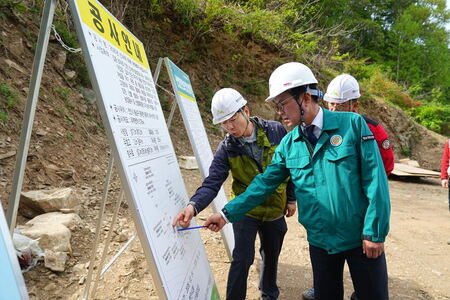
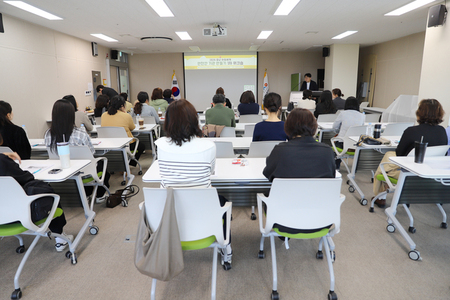
▲ 충남 청양군보건의료원 전경 © 청양군 제공 |
초고령사회에 진입한 농촌 지역의 구조적 한계를 넘어서는 생활 밀착형 건강관리 실험이 충남 청양에서 본격화된다. 청양군은 어르신의 신체·정신·영양 상태를 통합적으로 관리하는 주민 참여형 모델인 ‘행복한 4色 건강마을 조성 사업’을 올해 핵심 보건정책으로 추진한다고 밝혔다.
이 사업은 마을 단위의 건강 수요를 정밀하게 반영해 네 가지 주제 영역을 색깔 개념으로 구분하고, 각 영역별로 전문 인력이 지속 개입하는 것이 특징이다. 근감소증과 낙상 위험이 높은 고령층의 특성을 고려해 작업치료사와 운동처방사가 직접 참여하는 신체 기능 강화 프로그램을 운영하고, 식생활과 구강 건강 개선을 위한 영양·구강 보건 관리도 병행한다. 여기에 한방 기반의 기력 회복 관리와 음악을 활용한 정서 안정 프로그램을 더해 신체·정신·생활 영역을 아우르는 구조를 갖췄다.
사업은 2월 초부터 약 10주간 진행되며, 올해 총 8개 마을을 상·하반기로 나눠 단계적으로 운영된다. 상반기에는 남양면·대치면·운곡면·장평면 각 1개 마을이 선정됐고, 하반기에도 추가 마을을 지정해 사업의 연속성과 지역 확산 가능성을 점검할 계획이다.
청양군이 이 사업에서 특히 강조하는 대목은 ‘사전·사후 통합 평가’다. 혈압과 혈당 같은 기초 지표는 물론 노쇠, 인지 기능, 우울 수준까지 함께 측정해 건강 변화를 정량적으로 분석한다. 평가 결과 고위험군으로 분류된 어르신은 치매안심센터나 정신건강복지센터 등 전문 기관과 연계해 추가 관리로 이어지도록 설계했다. 단기 프로그램에 그치지 않고 지역 보건·복지 체계와 연결되는 구조다.
군 보건의료원은 노화 자체를 문제 삼기보다 관리 가능 영역인 ‘노쇠’를 선제적으로 늦추는 데 정책의 초점을 맞추고 있다. 이는 의료 접근성이 낮은 농촌 고령층에게 예방 중심의 공공보건 모델이 왜 필요한지를 보여주는 사례이기도 하다. 전문가들은 마을 공동체 안에서 건강 관리가 이뤄질 경우 참여도와 지속성이 높아지고, 장기적으로 의료비 부담 완화 효과도 기대할 수 있다고 평가한다.
청양군은 이번 사업을 통해 어르신이 익숙한 생활 터전에서 가능한 오래 건강을 유지하도록 돕는 ‘지역 기반 통합 건강관리’의 실효성을 검증한다는 구상이다. 고령화가 빠르게 진행되는 농촌 지역에서, 시설 중심이 아닌 생활권 중심의 보건정책이 하나의 대안으로 자리 잡을 수 있을지 주목된다.
사업에 관한 상세 안내 사항은 청양군보건의료원 시니어건강관리팀(041-940-4590~4595)으로 문의하면 된다.
*아래는 위 기사를 '구글 번역'으로 번역한 영문 기사의 [전문]입니다. '구글번역'은 이해도를 높이기를 위해 노력하고 있습니다. 영문 번역에 오류가 있을 수 있음을 전제로 합니다.<*The following is [the full text] of the English article translated by 'Google Translate'. 'Google Translate' is working hard to improve understanding. It is assumed that there may be errors in the English translation.>
A pilot project to implement lifestyle-focused health management, overcoming the structural limitations of rural areas entering a super-aged society, is underway in Cheongyang, South Chungcheong Province. Cheongyang County announced that it will implement the "Happy Four-Color Healthy Village Project," a resident-participatory model that comprehensively manages the physical, mental, and nutritional well-being of seniors, as its core health policy this year.
This project precisely reflects the health needs of each village, categorizing four thematic areas by color, with specialized personnel providing ongoing interventions in each area. Considering the characteristics of the elderly population, who are at high risk for sarcopenia and falls, occupational therapists and exercise therapists will directly participate in a physical function strengthening program. Nutrition and oral health management will also be provided to improve dietary habits and oral health. Furthermore, traditional Korean medicine-based energy recovery management and a music-based emotional stability program will be added, creating a structure that encompasses physical, mental, and lifestyle aspects.
The project will run for approximately ten weeks, beginning in early February, and will be implemented in eight villages in phases, with the first and second halves of the year. In the first half of the year, one village each in Namyang-myeon, Daechi-myeon, Ungok-myeon, and Jangpyeong-myeon were selected, and additional villages will be designated in the second half of the year to assess the continuity of the project and its potential for regional expansion.
Cheongyang County particularly emphasizes the "integrated pre- and post-evaluation" aspect of this project. This includes measuring not only basic indicators like blood pressure and blood sugar, but also frailty, cognitive function, and depression levels to quantitatively analyze health changes. Seniors classified as high-risk based on the assessment are linked to specialized institutions such as dementia support centers and mental health welfare centers for additional care. This program is designed to be a short-term program, connecting with the local health and welfare system.
The county health center focuses its policies on proactively slowing the manageable effects of frailty, rather than addressing aging itself. This demonstrates the importance of a preventative public health model for rural seniors with limited access to healthcare. Experts believe that integrating health care within the community can increase participation and sustainability, and potentially alleviate the burden of medical costs in the long term.
Cheongyang County plans to verify the effectiveness of "community-based integrated health management" through this project, which aims to help seniors maintain their health for as long as possible in their familiar surroundings. In rural areas where the population is rapidly aging, attention is focused on whether a community-centered, rather than facility-centered, health policy can become a viable alternative.
For detailed information about the project, please contact the Senior Health Management Team at Cheongyang County Public Health Center (041-940-4590~4595).
원본 기사 보기:브레이크뉴스대전세종충청