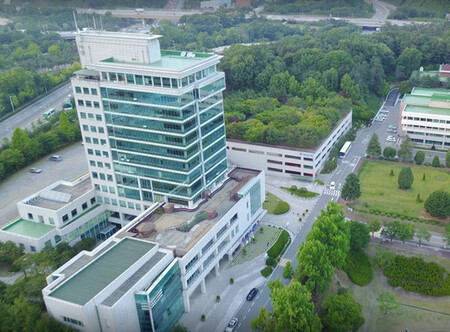
▲ 국회 국토교통위원회 소속 복기왕 의원(더불어민주당, 아산갑)=복기왕 국회의원실 제공 © 정지완 기자 |
국회 국토교통위원회 소속 복기왕 더불어민주당 의원이 국토안전관리원의 기능과 권한을 현실에 맞게 정비하는 내용의 '국토안전관리원법 일부개정법률안'을 대표 발의했다. 관리원의 실제 업무 변화와 제도 간 불일치를 해소하고, 중장기 사업 추진의 법적 기반을 보완하기 위한 취지다.
현행 법률은 국토안전관리원의 사업범위에 더 이상 수행되지 않는 시설물관리계획 검토 업무를 포함하고 있는 반면, 국제협력과 국외 진출, 공적개발원조(ODA)와 같이 최근 비중이 확대된 분야에 대해서는 명확한 근거를 두지 않고 있다. 이로 인해 관리원이 수행 중인 일부 사업이 제도적 뒷받침 없이 운영되고 있다는 문제의식이 꾸준히 제기돼 왔다.
개정안은 이러한 지점을 반영해 사업범위를 전면 조정했다. 기존 업무 가운데 실효성이 낮아진 항목을 정리하는 대신, 국제협력 및 해외 안전사업, 관리원 부지와 시설을 활용한 공공 목적 사업을 명시적으로 추가했다. 이에 따라 채권 발행 역시 개별 안전 분야에 한정하지 않고, 법에서 정한 전체 사업 수행을 포괄하도록 범위를 확대했다.
재산 활용에 관한 특례 규정도 새롭게 담겼다. 국유재산에 국한됐던 기존 체계에서 나아가, 지방자치단체 소유 공유재산에 대해서도 무상 사용이나 장기 대부, 매각이 가능하도록 했다. 사용·대부 기간은 원칙적으로 20년 이내로 하되 갱신을 허용하고, 영구시설물 설치가 필요한 경우에는 최대 50년까지 사용할 수 있도록 설계됐다. 토지 매입 시 대금을 20년 이내 분할 납부할 수 있는 근거도 함께 마련됐다.
법안이 통과될 경우 '국토안전관리원'이 추진해 온 해외 안전협력 사업은 제도적 안정성을 확보하게 되고, 부지와 시설을 활용한 안전체험·교육 사업도 본격화될 것으로 전망된다. 특히 공유재산 활용 특례는 지역 거점 확충과 인프라 구축의 속도를 높여, 중앙·지방 간 안전 행정의 연계성을 강화하는 효과를 낼 것으로 보인다.
이번 개정은 단순한 업무 추가를 넘어, 공공 안전기관의 기능을 시대 변화에 맞게 재배치하려는 시도로 평가된다. 건설·시설·지하 안전을 아우르는 통합 관리 체계 속에서 국제협력과 지역 기반 사업이 제도적으로 결합될 경우, 관리원의 역할은 국내 안전관리의 범위를 넘어 정책 확산과 기술 교류의 매개로까지 확장될 수 있다는 분석도 나온다.
*아래는 위 기사를 '구글 번역'으로 번역한 영문 기사의 [전문]입니다. '구글번역'은 이해도를 높이기를 위해 노력하고 있습니다. 영문 번역에 오류가 있을 수 있음을 전제로 합니다.<*The following is [the full text] of the English article translated by 'Google Translate'. 'Google Translate' is working hard to improve understanding. It is assumed that there may be errors in the English translation.>
Representative Bok Gi-wang of the Democratic Party of Korea, a member of the National Assembly's Land, Infrastructure, and Transport Committee, has introduced a bill to partially amend the National Security Agency Act, which aims to reorganize the agency's functions and authority to better reflect current practices. This bill aims to address the inconsistencies between the agency's current operations and the regulatory framework, and to strengthen the legal foundation for mid- to long-term project implementation.
The current law includes facility management plan review, a task no longer performed by the agency, while providing no clear basis for areas that have recently expanded in importance, such as international cooperation, overseas expansion, and Official Development Assistance (ODA). This has led to persistent concerns that some of the agency's projects are operating without institutional support.
The amendment reflects these concerns by comprehensively revising the agency's scope of operations. Instead of eliminating ineffective existing tasks, it explicitly includes international cooperation, overseas safety projects, and public-purpose projects utilizing the agency's land and facilities. Accordingly, the scope of bond issuance has been expanded beyond individual safety areas to encompass all projects stipulated in the law.
New special provisions on property utilization have also been included. Moving beyond the existing system, which was limited to state-owned property, local governments can now also use public property without compensation, through long-term loans, or for sale. The use and loan periods are generally limited to 20 years, with renewals permitted. In cases where permanent facilities require installation, the use period can be extended to up to 50 years. The bill also establishes a basis for paying the purchase price in installments over 20 years.
If the bill passes, the overseas safety cooperation projects promoted by the National Safety Agency will gain institutional stability, and safety experience and education programs utilizing land and facilities are expected to fully launch. In particular, the special provisions on public property utilization are expected to accelerate the expansion of regional hubs and infrastructure development, strengthening the connectivity of safety administration between the central and local governments.
This revision is seen as an attempt to reorganize the functions of public safety agencies to reflect the changing times, rather than simply adding more tasks. Analysts also suggest that if international cooperation and regional-based projects are institutionally combined within an integrated management system encompassing construction, facilities, and underground safety, the role of managers could expand beyond the scope of domestic safety management to include serving as a medium for policy dissemination and technological exchange.
원본 기사 보기:브레이크뉴스대전세종충청