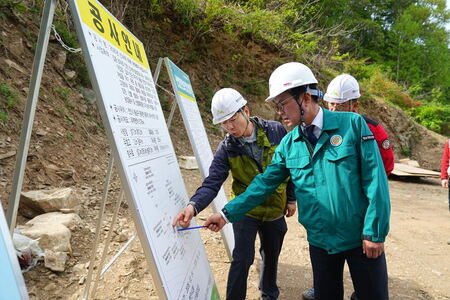
▲ 전라남도 내 한 거점 소독 시설에서 축산 차량이 철저한 소독 과정을 거치고 있다. |
(무안=브레이크뉴스) 이학수 기자=전라남도가 도내 아프리카돼지열병(ASF) 발생에 따른 방역지역 이동제한 조치를 지난 22일자로 모두 해제하고, 상시 차단 방역 체제로 전환한다고 밝혔다.
이번 조치에 따라 발생 지역이었던 영광, 나주, 무안, 함평 등 4개 시군은 위기경보 ‘심각’ 단계를 유지하며, 이를 제외한 전남 18개 시군은 ‘주의’ 단계로 하향 조정됐다.
전남도는 이동제한 해제 이후에도 ASF 재발을 막기 위해 기존의 강력한 차단 방역 체계를 유지할 방침이다. 이에 따라 축산차량 거점소독시설 소독 등 8건의 행정명령과 농장 출입 차량 2단계 소독 등 6건의 방역기준 공고는 앞으로도 반드시 준수해야 한다.
특히 사료나 분뇨 등을 통한 감염 확산을 원천 차단하기 위해 도축장 혈액탱크와 사료공장 등에 대한 환경 검사를 지속하며, 모든 양돈농가를 대상으로 연 1회 이상의 정밀검사를 실시하는 등 촘촘한 예찰망을 가동한다.
야생멧돼지에 의한 전파 가능성을 차단하기 위해 연중 포획 및 검사 사업도 병행한다. 전남도는 보다 실효성 있는 방역 대책을 마련하기 위해 양돈 전문 수의사와 한돈협회, 지자체 관계자 등 전문가 간담회를 열어 현장의 목소리를 정책에 반영할 계획이다.
이영남 전남도 동물방역과장은 “방역지역은 해제됐으나 최근 울산, 고령 등지에서 야생멧돼지 ASF 검출이 이어지는 등 남하 추세가 뚜렷해 잠재적 위험은 여전하다”며 “농가에서는 방심하지 말고 농장 출입 통제와 소독 등 기본적인 방역 수칙을 철저히 이행해달라”고 강조했다.
한편, 21일 기준 전국 ASF 발생 건수는 총 24건이며, 전남 지역에서는 올해 1월 영광을 시작으로 나주, 무안, 함평에서 총 4건이 발생한 바 있다.
아래는 위 기사를 '구글 번역'으로 번역한 영문 기사의 [전문] 입니다. '구글번역'은 이해도를 높이기를 위해 노력하고 있습니다. 영문 번역에 오류가 있을 수 있음을 전제로 합니다. The following is [the full text] of the English article translated by 'Google Translate'. 'Google Translate' is working hard to improve understanding. It is assumed that there may be errors in the lish translation.
South Jeolla Province ‘Lifts’ Movement Restrictions in ASF Quarantine Areas… Containment Measures Continue
Crisis Alert Lowered to ‘Caution’ for 18 Cities and Counties Excluding 4 (Yeonggwang, Naju, etc.); All-out Effort to Prevent Recurrence by Maintaining Administrative Orders, Including Base Disinfection, and Strengthening Wild Boar Surveillance
(Muan = Break News) Reporter Lee Hak-su = South Jeolla Province announced that it has lifted all movement restrictions imposed on quarantine areas following the outbreak of African Swine Fever (ASF) in the province as of the 22nd, and is transitioning to a permanent containment quarantine system.
Following this measure, the four cities and counties that were the outbreak areas—Yeonggwang, Naju, Muan, and Hampyeong—will maintain the ‘Severe’ level of crisis alert, while the remaining 18 cities and counties in South Jeolla Province have been lowered to the ‘Caution’ level.
Even after the lifting of movement restrictions, South Jeolla Province plans to maintain its existing strong containment quarantine system to prevent the recurrence of ASF. Accordingly, eight administrative orders, such as the disinfection of designated disinfection facilities for livestock transport vehicles, and six public announcements regarding disease control standards, such as the two-stage disinfection of vehicles entering farms, must continue to be strictly observed.
In particular, to completely block the spread of infection through feed or manure, environmental inspections of blood tanks at slaughterhouses and feed factories will be continued, and a dense surveillance network will be operated, including conducting detailed inspections at all pig farms at least once a year.
Year-round capture and inspection programs will also be conducted to prevent the possibility of transmission by wild boars. To establish more effective disease control measures, Jeonnam Province plans to hold expert consultations with swine veterinarians, the Korea Pig Farmers Association, and local government officials to incorporate feedback from the field into policy. Lee Young-nam, head of the Animal Quarantine Division of South Jeolla Province, emphasized, “Although quarantine zones have been lifted, the potential risk remains as the southward trend is evident, with recent detections of ASF in wild boars in areas such as Ulsan and Goryeong. Farmers must not let their guard down and must strictly adhere to basic quarantine rules, such as controlling access to farms and disinfection.”
Meanwhile, as of the 21st, there are a total of 24 ASF cases nationwide. In the South Jeolla region, a total of four cases have occurred this year, starting with Yeonggwang in January, followed by Naju, Muan, and Hampyeong.
원본 기사 보기:브레이크뉴스 전남