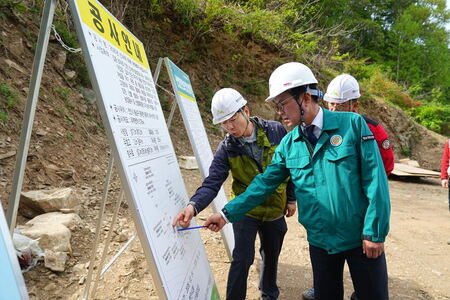
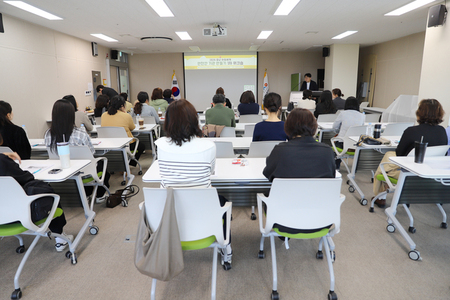
▲ 무역협회 정만기 부회장이 업계 애로를 청취하고 대응방안을 논의하고 있다 © 한국무역협회 |
브레이크뉴스 문홍철 기자= 지난해부터 8차례의 기준금리 인상으로 우리 기업들의 이자 부담이 약 24조원 증가된 것으로 추정됐다.
한국무역협회는 15일 삼성동 트레이드타워에서 ‘수출기업 금융애로 현안 점검 간담회’를 개최하고, 수출기업 및 금융 전문가와 함께 금융애로 타개를 위한 정책 과제를 논의했다.
무역협회 정만기 부회장은 모두발언을 통해 “코로나19에 이어 러시아-우크라이나 사태로 야기된 글로벌 물가상승에 대응하기 위한 각국과 한국은행의 기준금리 인상 등으로 금융여건이 악화되면서 우리 수출기업들의 금융애로도 확대되고 있다”고 밝혔다.
이어 “지난해 8월 이후 이어진 8차례의 기준금리 인상으로 우리 기업들의 이자 부담은 약 24조원 증가된 것으로 추정된다”며 “최근에는 자금시장 경색으로 대기업들이 은행 대출 이용을 늘려가는 가운데, 은행들은 대출심사를 까다롭게 함으로써 우량 수출 중소기업들의 은행권 자금 조달이 어려워진 상황이다”고 지적했다.
실제, 한국은행에 따르면 대기업의 기업대출은 8월 2조9000억원에서 9월 4조7000억원, 10월 9조3000억원으로 증가한 반면, 중소기업 기업대출은 8월 5조8000억원, 9월 4조7000억원, 10월 4조4000억원으로 감소했다.
정 부회장은 “그동안의 고금리 정책이 효과를 보이며 코로나19는 물론, 러시아-우크라이나 전쟁마저 끝이 보이기 시작하면서 글로벌 물가상승을 초래했던 근본요인이 완화되기 시작한 것으로 판단된다”며 “불확실성은 있으나 이제 위기의 끝이 보이는 점을 감안해 우리 수출기업들이 이 기간을 잘 넘길 수 있도록 특별 저금리 적용, 원리금 만기 상환 한시적 유예 및 보증기간 연장 등 정부 지원의 확대가 필요하다”고 주장했다.
한편, 이날 간담회에 참석한 기업들도 자금부담을 호소했다. 한 기업은 “최근 원자재 가격 급등으로 비용 부담이 커져 금융권으로부터 추가 자금 조달이 필요한 상황이나, 매출이 늘어났음에도 정책 금융 기관들은 재원이 소진됐다며 한도 증액을 거절하고 있다”며 “부족한 자금을 해외에서 조달할 경우, 수출을 해도 금융비용을 해외 금융기관에 지급해야 하는 상황이다”고 언급했다.
또 다른 기업은 “매출 규모가 작은 중소기업들은 회사채 발행이 불가능해 전적으로 은행 대출에 의존할 수밖에 없다”며 “외부감사를 받지 않는 중소기업들은 제대로 된 신용평가도 받을 수 없어 상대적으로 높은 금리가 적용되어 애로가 크다”고 발언했다.
break9874@naver.com
*아래는 위 기사를 '구글 번역'으로 번역한 영문 기사의 [전문]입니다. '구글번역'은 이해도 높이기를 위해 노력하고 있습니다. 영문 번역에 오류가 있을 수 있음을 전제로 합니다.<*The following is [the full text] of the English article translated by 'Google Translate'. 'Google Translate' is working hard to improve understanding. It is assumed that there may be errors in the English translation.>
Korea International Trade Association, “Eight interest rate hikes add 24 trillion won in interest burden to Korean companies”
Strengthen support for export companies by applying special low interest rates and deferring loan repayments
Break News Reporter Moon Hong-cheol= It is estimated that the interest burden of Korean companies has increased by about 24 trillion won due to the eight rate hikes since last year.
On the 15th, the Korea International Trade Association (KITA) held a meeting to examine pending financial difficulties of export companies at the Trade Tower in Samseong-dong, and discussed policy tasks to overcome financial difficulties with export companies and financial experts.
“Following COVID-19, our exporting companies are facing financial difficulties as the financial conditions worsen due to the rise in the base interest rate by each country and the Bank of Korea to respond to the global price increase caused by the Russia-Ukraine crisis,” said Chung Man-ki, vice chairman of the Korea International Trade Association, in an open statement. It is expanding,” he said.
"It is estimated that the interest burden of Korean companies has increased by about 24 trillion won due to the eight base rate hikes since August of last year." By making the screening process more difficult, it has become difficult for small and medium-sized companies with excellent exports to obtain financing from banks,” he pointed out.
In fact, according to the Bank of Korea, corporate loans to large corporations increased from 2.9 trillion won in August to 4.7 trillion won in September and 9.3 trillion won in October, while corporate loans to small and medium-sized enterprises increased from 5.8 trillion won in August to 4 trillion won in September. 700 billion won, down to 4.4 trillion won in October.
Vice Chairman Chung said, “As the high interest rate policy so far has been effective and the end of not only Corona 19 but also the Russia-Ukraine war is starting to come to an end, it is judged that the fundamental factors that caused global inflation have begun to ease.” Considering that the end of this period is in sight, it is necessary to expand government support, such as applying a special low interest rate, temporarily deferring the repayment of principal and interest, and extending the warranty period so that our exporters can pass this period well.”
On the other hand, companies attending the meeting also complained of financial burden. One company said, “The cost burden has increased due to the recent surge in raw material prices, so additional funding from the financial sector is needed, but even though sales have increased, policy finance institutions are refusing to increase the limit, saying that financial resources have been exhausted.” In the case of export, the financial cost has to be paid to an overseas financial institution,” he said.
Another company said, “SMEs with small sales cannot issue corporate bonds, so they have no choice but to rely entirely on bank loans.” is big,” he said.