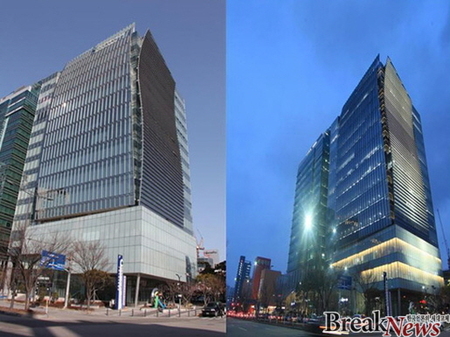
▲ 국정원 원훈 ©국정원 |
브레이크뉴스 정명훈 기자= 국가정보원과 경찰은 최근 국가보안법 위반 혐의로 경남진보연합 활동가 등 4명을 체포한 것으로 확인됐다.
30일 공안당국에 따르면 국정원과 경찰은 창원 지역 시민단체 등에서 활동하는 4명을 지난 28일 체포했다.
당국은 지난해 11월 이들의 자택과 사무실 등을 압수수색했으며 이후 2개월 만에 신병을 확보한 것으로 보아 혐의를 입증할만한 명확한 증거를 수집한 것으로 보인다.
국정원은 이들이 '민중자주통일전위'라는 반국가단체를 결성한 뒤 북한의 지령을 받아 반정부 시위 등을 주도한 것으로 보고 있다.
당국은 이 조직이 2016년 경 창원을 중심으로 결성된 것으로 파악하고 있으며 향후 진주, 전북 전주, 제주 등까지 연계 지하조직이 전국 각지로 퍼져나갔다.
이들은 캄보디아 등 동남아 국가에서 북한측 인사와 접촉해 반정부 시위, 반미투쟁, 친일적폐청산운동 등 남한내 내부 갈등을 일으키라는 지령을 받은 것으로 전해졌다.
*아래는 위 기사를 '구글 번역'으로 번역한 영문 기사의 [전문]입니다. '구글번역'은 이해도 높이기를 위해 노력하고 있습니다. 영문 번역에 오류가 있을 수 있음을 전제로 합니다.<*The following is [the full text] of the English article translated by 'Google Translate'. 'Google Translate' is working hard to improve understanding. It is assumed that there may be errors in the English translation.>
NIS arrested four "spying" activists...Activities under orders from North Korean agents.
Anti-government protests led after contact with North Korea-related personnel in Southeast Asia.
- Reporter Jung Myung Hoon.
The National Intelligence Service and the police have recently arrested four people, including activists of the Gyeongnam Progressive Union, on charges of violating the National Security Law.
According to the public security authorities on the 30th, the NIS and the police arrested four people working in civic groups in Changwon on the 28th.
Authorities raided their homes and offices in November last year and apparently collected clear evidence to prove the allegations, considering that they secured recruits in two months.
The National Intelligence Service believes that they led anti-government protests under orders from North Korea after forming an anti-state organization called the "People's Independent Unification Potential."
Authorities believe that the organization was formed around Changwon around 2016, and in the future, linked underground organizations have spread to Jinju, Jeonju, Jeollabuk-do, and Jeju.
They reportedly contacted North Korean officials in Southeast Asian countries, including Cambodia, and were ordered to cause internal conflicts in South Korea, including anti-government protests, anti-American struggles, and pro-Japanese abolitionist movements.