▲ ©중소기업중앙회 |
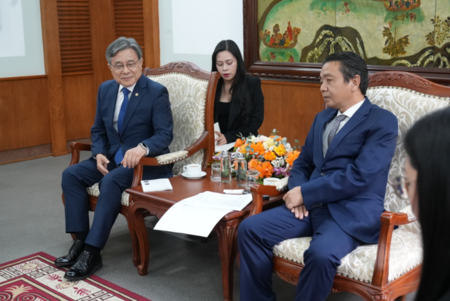
브레이크뉴스 문홍철 기자= 중소기업중앙회 노동인력위원회와 최저임금 특별위원회가 3일 여의도 중기중앙회에서 2024년도 최저임금의 합리적 결정을 촉구하는 대국민 호소 기자회견을 개최했다.
이번 기자회견은 2024년도 적용 최저임금 결정을 앞두고 최저임금의 주요 지급주체인 중소기업과 소상공인의 현장 목소리를 전달하고, 최저임금의 합리적 결정을 촉구하기 위해 마련됐다.
이날 참여한 15개 업종별 협동조합 및 협회 대표들은 내년도 최저임금은 열악한 영세 중소기업과 소상공인의 지불능력을 고려해 동결수준으로 결정해야 한다고 강조했다.
특히, 저상장 국면에 따른 경기침체와 공공요금 인상, 고물가로 인한 생산비용 급등으로 많은 중소기업들이 한계 상황에 처해 있다며, 기업 생존과 일자리 창출을 위해서라도 최저임금을 현 수준으로 유지해 줄 것을 호소했다.
중소기업 업계는 이날 “최근 10년간 경제성장(연평균 2.47%↑)과 물가상승(연평균 1.56%↑)에 비해 최저임금은 연평균 7.14%로 과도하게 인상됐다”며 “특히, 2018년(16.4%)과 2019년(10.9%) 급격한 인상으로 현장의 충격은 매우 컸다. 코로나 시기를 제외하면 높은 최저임금 인상률이 유지돼 누적된 수준을 감당하기 어려운 상황이다”고 지적했다.
이어 “경제상황을 넘어선 최저임금 인상이 누적돼 기본값이 높아진 상황에서 인상률의 단순비교로 최저임금 인상 수준을 정하는 것은 불합리하다”며 “2013년 대비 2023년 최저임금 수준은 2배에 가까워 같은 인상율이더라도 인상폭은 2배 수준이다”고 덧붙였다.
또한, “중소기업의 인건비 지불능력은 상당히 열악하고 최저임금 변화에 취약하다. 대·중소기업간 2배가 넘는 임금격차를 감안하면 최저임금의 인상은 대기업이 아닌 중소기업과 소상공인의 문제”라면서 “기업규모가 영세할수록 저임금근로자의 비율이 높다. 이는 기업의 지불능력과 규모가 비례 관계에 있다고 볼 수 있으므로 규모에 따른 구분적용에 대해서도 적극적으로 검토가 필요하다”고 주장했다.
한편, 이날 참석 중소기업인들은 최저임금으로 인한 현장 애로를 쏟아냈다.
은종목 한국용접공업협동조합 이사장은 “전기·가스요금 인상이 주요 비용 증가요인으로 중소제조업의 경영상황이 어려워지고 있다”며 “물가상승은 근로자 생활뿐만 아니라 기업 경영에도 큰 영향을 미쳐 지금의 최저임금 수준도 감당하기 어렵다”고 말했다.
송유경 한국수퍼마켓협동조합 연합회장은 “수퍼마켓, 편의점, 주유소 등 서비스업의 경우 높은 최저임금 부담으로 영업시간 조정 등 서비스 축소로 소비자 불편이 발생하고 있다”며 “최저임금 부담을 더욱 크게 하는 주휴수당을 감당하기 어려워 초단시간 근로자 활용이 늘고 있는데 기업은 인사관리 리스크, 근로자도 안정적 일자리를 구하는 것이 어려워지는 문제가 있다”고 전했다.
민선홍 한국디지털출력복사업협동조합 이사장은 “업계에서는 인건비 급등으로 로봇팔과 같은 자동화에 관심이 커지고 있다”며 “자동화, 무인매장 확대로 결국 고용이 줄어들게 될 것이다”고 우려했다.
이재광 중기중앙회 노동인력위원장은 “최근 조사에 따르면 중소기업 10곳 중 7곳이 최저임금이 인상되면 고용을 축소하겠다는 입장”이라면서 “내년도 최저임금은 기업의 생존과 더 많은 일자리 창출되도록 동결 수준으로 결정돼야 한다”고 강조했다.
break9874@naver.com
*아래는 위 기사를 '구글 번역'으로 번역한 영문 기사의 [전문]입니다. '구글번역'은 이해도 높이기를 위해 노력하고 있습니다. 영문 번역에 오류가 있을 수 있음을 전제로 합니다.<*The following is [the full text] of the English article translated by 'Google Translate'. 'Google Translate' is working hard to improve understanding. It is assumed that there may be errors in the English translation.>
Small and medium-sized businesses, a survival blow when the minimum wage is raised.
The National Federation of Small and Medium Business Labor Force Committee and Minimum Wage Special Committee announced their position on next year’s minimum wage
Break News Reporter Moon Hong-cheol= On the 3rd, the Small and Medium Business Federation labor force committee and the special committee on the minimum wage held a press conference calling for a reasonable decision on the minimum wage in 2024 at the Yeouido Mid-term Federation.
This press conference was prepared to deliver the voices of small and medium-sized enterprises (SMEs) and small business owners, who are the main payers of the minimum wage, and to urge a reasonable minimum wage decision ahead of the 2024 minimum wage decision.
Representatives of 15 cooperatives and associations participating in the event emphasized that next year's minimum wage should be set at a frozen level, taking into consideration the poor solvency of small and medium-sized enterprises and small business owners.
In particular, they appealed for the minimum wage to be maintained at the current level, saying that many small and medium-sized enterprises (SMEs) are in a critical situation due to the economic stagnation caused by the low market, rise in utility rates, and soaring production costs due to high prices.
On this day, the small and medium-sized business industry said, “Compared to economic growth (annual average 2.47%↑) and inflation (annual average 1.56%↑) over the past 10 years, the minimum wage has increased excessively at an average annual rate of 7.14%.” With a sharp increase in 2019 (10.9%), the impact of the field was very great. Excluding the corona period, the high minimum wage increase rate has been maintained, making it difficult to handle the accumulated level.”
“It is unreasonable to determine the minimum wage increase level by simple comparison of the increase rate in a situation where the default value has increased due to the accumulated minimum wage increase beyond economic conditions,” he said. The increase is twice as high,” he added.
In addition, “Small and medium-sized enterprises' ability to pay labor costs is quite poor and vulnerable to changes in the minimum wage. Considering the wage gap more than doubled between large companies and small and medium-sized enterprises, raising the minimum wage is a problem for small and medium-sized enterprises and small business owners, not large corporations,” he said. Since this can be seen as having a proportional relationship with the company's solvency, it is necessary to actively review the application of classification according to size.”
On the other hand, the small and medium-sized business owners who attended this day poured out their on-site difficulties due to the minimum wage.
Eun Jong-mok, chairman of the Korea Welding Industry Cooperative, said, “The rise in electricity and gas rates is a major factor in increasing costs, making the business situation of small and medium-sized manufacturing businesses difficult.” The wage level is also difficult to afford,” he said.
Song Yoo-gyeong, chairman of the Korea Supermarket Cooperative Association, said, “In the case of service industries such as supermarkets, convenience stores, and gas stations, consumer inconvenience is occurring due to reduced services such as adjustment of business hours due to the high minimum wage burden.” The use of short-time workers is increasing because it is difficult to afford the job, but companies have problems with personnel management risks and it is difficult for workers to find stable jobs,” he said.
Min Seon-hong, chairman of the Korea Digital Printing Clothing Business Cooperative, said, “In the industry, interest in automation such as robot arms is growing due to soaring labor costs.”
“According to a recent survey, 7 out of 10 small and medium-sized businesses are in a position to reduce employment if the minimum wage is raised,” said Lee Jae-gwang, chairman of the labor force committee of the Korea Federation of Small and Medium Enterprises. do,” he stressed.