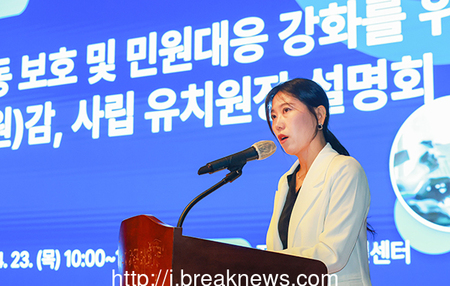
▲필자/ 정길선 박사 ©브레이크뉴스 |
국토가 147배 넓고, 인구는 519배, GDP는 263배 많은 나라와 맞서게 되면 어떻게 될까? 그런데 이 엄청난 차이를 극복하고 대담한 행동으로 국제 외교계를 놀라게 한 나라가 있다. 이 나라는 발트 3국 중 가장 남쪽에 위치한 리투아니아이다. 그 리투아니아가 대항했던 국가는 바로 중국이다. 2019년 중국과 리투아니아의 관계는 최악의 상태를 맞이했다. 중국은 2019년 11월 리투아니아와의 외교 관계를 대사관 등급에서 대리대사 등급으로 낮추는 사건이 벌어졌다.
중국이 유럽 국가와 외교 관계를 강등한 건 1981년 이후 40년 만이다. 중국은 리투아니아에 대해서도 경제 보복에도 나서게 된다. 중국은 리투아니아행 화물 열차의 운행을 중단했고, 수입품을 통과하는 것도 거부했다. 자오리젠 중국 외교부 대변인이 말하길 양국 관계는 매우 심각한 상황으로 이 상황은 리투아니아에 모든 책임 있다. 스스로 원인을 찾아서 잘못을 인정하고 고치라며 일갈했다. 2019년 11월 추이훙젠 중국국제문제연구원 유럽연구소장은 리투아니아를 지칭하여 “쥐똥 하나가 요리를 다 망치게 놔두지 않겠다”고 비하하기도 했다.
여기에 리투아니아도 중국에 굴복하지 않았다. 가브리엘루스 란드스베르기스 외무장관은 중국의 권력과 경제력이 크다는 것을 알고 있지만 중국은 정치적 요구가 있을 때마다 자신들의 힘을 남용하고 모두 그러한 일에 동조하고 있다. 그러나 이것은 분명 우리가 생각한 평화로이 공존하는 세상은 아니다고 말했다. 이와 같이 발트 해의 작은 나라가 중국과 맞서는 건 이례적인 일이다.
2019년 7월 대만과 리투아니아는 리투아니아 수도 빌뉴스에 주 리투아니아 대만 대표부를 설치한다고 발표했다. 중국은 대만을 중국의 일부로 보며 국가로 인정하지 않고 있다. 이에 중국은 즉각 베이징 주재 리투아니아 대사는 철수하라며 거세게 반발했다. 리투아니아는 중국의 항의를 무시하고 2019년 11월 18일 리투아니아 수도 빌뉴스에 대만 대표부를 정식으로 출범시켰다. 여기에서 주목할 것은 대표부 현판에 Taiwan이라는 이름을 걸었다는 것이다.
이전에도 유럽 국가들에는 대만의 대사관 기능을 하는 대표부가 존재했었다. 하지만 정식 명칭은 대만 대표부가 아니라 타이페이(Taipei) 대표부를 사용했다. 중국과의 외교 관계와 국력, 경제적인 면까지 고려해 대만이라는 국명 대신 타이페이라는 수도명을 서술했다. 이와 같은 상황에서 리투아니아는 대만의 영문명인 ‘Taiwan’이라는 국명을 직접 사용한 것이다. 리투아니아는 여기에서 중국을 더욱 압박했다.
대만 대표부를 설치한지 10일 후, 리투아니아의 국회의원들이 이웃 나라인 라트비아와 에스토니아 의원을 모아 대만을 방문했다. 이들은 차이잉원 대만 총통을 만나 국가 간의 협력을 약속했다. 2019년 내내 리투아니아는 중국을 자극하는 사건들을 여럿 만들어냈다. 2019년 5월 리투아니아 국회는 중국 신장위구르 자치구에서 벌어지고 있는 위구르족 말살 사건을 지칭해 이를 ‘집단 학살(Genocide)’로 규정해 의화에서 이 사건 규정 결의 안을 통과시켰다.
같은 달 중국과 중부 유럽, 동유럽 국가들이 모여 만든 17+1 경제협력체에서 탈퇴했다. 9월에는 리투아니아 국방부 차관인 마르기리스 아부케비시우스가 언급하기를 직접 중국 스마트폰에 ‘티베트 자유’, ‘대만 독립’을 치면 철저히 검열되며 중국 폰은 사지 말고, 샀다면 최대한 빨리 버리라면서 리투아니아 시민들에게 중국 제품 불매를 촉구했다. 리투아니아가 중국에 강경하게 맞선 이유를 이해하기 위해서는 먼저 리투아니아라는 나라의 정체성을 이해해야 한다.
리투아니아의 역사 중 근대사의 대부분은 러시아 로마노프 제국과 소련의 강점기로 점철되어 있기 때문이다. 1795년 러시아 로마노프 제국에게 패망한 폴란드-리투아니아 공국은 1865년 리투아니아에 강력한 문화적 말살 정책을 피게 된다. 하지만 외세의 도움을 받지 못해 러시아에 대한 각종 봉기들은 진압되었고 리투아니아인들은 대부분 처형당하거나 시베리아로 유배되었다.
리투아니아 빌뉴스 대학 국제관계학 연구자인 그라즈비다스 야수티스의 견해에 의하면 “1944년 이후 소련 치하에서 수많은 리투아니아인이 강제 추방당했다. 최소 13만명이 노동교화소, 굴락 (정치범수용소), 시베리아와 같은 변방으로 보내졌다. 많은 사람이 죽었다. 소련은 또 1991년 1월 ‘피의 일요일’이라고 불리는 사건을 일으켜 리투아니아 민간인을 공격하기도 했다. 이러한 압제는 리투아니아인에게 있어 거대한 역사적 트라우마로 남았다"며 밝히기도 했다.
란드스베르기스 외무부 장관은 자국인 리투아니아의 역사를 리투아니아에서 열린 ‘미래의 민주주의를 위한 포럼’에서 언급하기를 “우리는 점령 당한 국민이 무엇을 겪는지를 너무 잘 이해하고 기억하는 나라다. 자유를 얻는 투쟁과 민주주의의 폐허 속에서 나라를 다시 일으키는 것이 무엇인지 안다”고 했다. 이 발언은 당시에 중국을 겨냥한 것으로 해석된다. 리투아니아 특유의 권위주의 체제에 대한 반감과 함께, 2019년에 벌어진 일련의 사건들도 리투아니아를 중국의 반대편에 서게 되었고 여기에는 러시아가 중국을 옹호하고 있다는 측면도 크게 기인했다.
사실 그 이전까지 리투아니아와 중국 관계는 좋다고 할 정도는 아니었지만 나쁘지도 않았다. 리투아니아는 독립 이후 바로 중국과 수교했다. 2012년에는 중국과 중부 유럽, 동유럽 경제협력체인 ‘17+1 정상회의’에 참여했다. 2017년에는 중국의 ‘일대일로 프로젝트’에 참가를 선언하며 국가 간 MOU도 맺기도 했다. 두 나라의 기류가 이상징후를 보이게 된 것은 2019년 홍콩 민주화 시위가 시작되면서부터였다. 이 때 리투아니아 국민들은 적극적으로 홍콩의 시위를 지지했고 홍콩 유학생들과 수도인 빌뉴스의 거리를 나서기도 했다.
이에 중국에서 항의하여 경제적으로 압박하자 리투아니아 정부 차원에서 중국에 선전포고를 한 셈이다. 도나타스 푸슬리스 리투아니아 빌뉴스 정책분석연구소 미디어 팀장이 말하길 리투아니아가 중국과의 교역량은 적지만, 중국은 여러 나라를 압박해 리투아니아와의 경제 교류를 끊으라는 메시지를 넣고 있다며 리투아니아에서도 내부적인 논쟁이 있지만 여론은 경제적인 이득을 위해 민주주의와 인권, 자유의 가치를 희생하지 말아야 한다는 쪽으로 기울고 있다. 이득을 위해 가치를 버린다면 영혼을 잃는 것과 마찬가지다면서 큰 손실을 감수하더라도 싸워야 한다고 하였다.
현재 러시아-우크라이나 전쟁을 바라보는 리투아니아의 시선도 2019년 중국에 저항했던 것과 못지 않다. 우크라이나가 러시아에 의해 공격을 받는다는 것은 아마도 러시아에게 정복되었던 1795년의 사건과 오버랩 되었을 것이다. 그리고 끊임없이 러시아 로마노프 제국이나 소련에 저항했던 200년의 역사와 함께 하고 있다. 우크라이나와 리투아니아의 관계는 역사적으로 볼 때 서로 철천지 원수의 역사를 갖고 있다.
폴란드-리투아니아 공국 시절, 우크라이나를 분할해 정복하고 그들을 긴 세월 학대했던 역사가 있고 우크라이나는 리투아니아인들을 학살한 역사가 있기 때문이다. 그럼에도 불구하고 리투아니아가 우크라이나를 응원하는 이유는 러시아라는 큰 공동의 적이 있기 때문인 것도 있지만 무엇보다도 현 우크라이나에 대한 은원보다 과거에 핍박당했던 트라우마가 더 컸기 때문이 아닐까 싶다. lukybaby7@gmail.com
*필자/ 정길선.
노바토포스 회원, 역사학자, 고고인류학자, 칼럼니스트, 러시아 과학아카데미 유라시아 고고인류학연구소 연구교수.
*아래는 위 기사를 '구글 번역'으로 번역한 영문 기사의 [전문]입니다. '구글번역'은 이해도 높이기를 위해 노력하고 있습니다. 영문 번역에 오류가 있을 수 있음을 전제로 합니다.<*The following is [the full text] of the English article translated by 'Google Translate'. 'Google Translate' is working hard to improve understanding. It is assumed that there may be errors in the English translation.>
Lithuania, a strong-hearted country that stands up to a country 147 times larger, 519 times larger, and 263 times larger in GDP
- Columnist Jeong Gil-seon
What would happen if you stood up to a country 147 times larger, 519 times larger, and 263 times larger in GDP? However, there was a country that overcame this enormous difference and surprised the international diplomatic community with bold actions. This country is Lithuania, the southernmost of the three Baltic states. The country that Lithuania stood up to was none other than China. In 2019, the relationship between China and Lithuania reached its worst point. In November 2019, China downgraded its diplomatic relations with Lithuania from embassy level to chargé d'affaires level.
This is the first time in 40 years since 1981 that China has downgraded its diplomatic relations with a European country. China will also take economic retaliation against Lithuania. China has stopped freight trains to Lithuania and refused to allow imports to pass through. Zhao Lijian, a spokesperson for the Chinese Ministry of Foreign Affairs, said that the relationship between the two countries is very serious and that Lithuania is fully responsible for the situation. He urged Lithuania to find the cause, admit its mistakes, and correct them. In November 2019, Cui Hongjian, director of the Institute of European Studies at the China Institute of International Studies, disparaged Lithuania by saying, “We will not let a single rat’s droppings ruin the dish.”
Lithuania has also not yielded to China. Foreign Minister Gabrielus Landsbergis said that although China is aware of its great power and economic power, China abuses its power whenever it has political demands and everyone agrees with it. However, this is clearly not the peaceful coexistence we envision. It is unusual for a small Baltic country to stand up to China in this way.
In July 2019, Taiwan and Lithuania announced that they would establish a representative office in Lithuania in the Lithuanian capital Vilnius. China views Taiwan as part of China and does not recognize it as a country. In response, China immediately protested strongly, demanding that the Lithuanian ambassador in Beijing withdraw. Lithuania ignored China’s protest and officially opened a Taiwanese mission in Vilnius, the capital of Lithuania, on November 18, 2019. What is noteworthy here is that the name Taiwan was put on the mission sign.
Previously, there were missions in European countries that functioned as embassies for Taiwan. However, the official name was not Taiwan Mission, but Taipei Mission. Considering diplomatic relations with China, national power, and even economic aspects, the capital city name Taipei was used instead of Taiwan. In this situation, Lithuania directly used the English name for Taiwan, ‘Taiwan.’ Here, Lithuania put even more pressure on China.
Ten days after establishing the Taiwan Mission, Lithuanian parliamentarians gathered their neighbors, Latvia and Estonia, to visit Taiwan. They met with Taiwanese President Tsai Ing-wen and pledged cooperation between the countries. Throughout 2019, Lithuania created several incidents that provoked China. In May 2019, the Lithuanian National Assembly passed a resolution defining the genocide of the Uyghur people in China’s Xinjiang Uyghur Autonomous Region as “genocide” and defined the incident in the legislature.
In the same month, the country withdrew from the 17+1 economic cooperation group formed by China and Central and Eastern European countries. In September, Lithuania’s Deputy Minister of Defense Margiris Abukevicius directly stated that typing “Free Tibet” or “Independence of Taiwan” on a Chinese smartphone would be thoroughly censored, and urged Lithuanian citizens to boycott Chinese products, saying that they should not buy Chinese phones and throw them away as soon as possible if they did. To understand why Lithuania has taken such a hard line against China, we must first understand the identity of Lithuania as a country.
This is because most of Lithuania's modern history is marked by the occupation of the Russian Romanov Empire and the Soviet Union. The Polish-Lithuanian principality, which was defeated by the Russian Romanov Empire in 1795, imposed a policy of cultural annihilation on Lithuania in 1865. However, due to the lack of foreign help, various uprisings against Russia were suppressed, and most Lithuanians were executed or exiled to Siberia. According to Grazvydas Jasutis, a researcher in international relations at Vilnius University in Lithuania, "Since 1944, many Lithuanians have been forcibly deported under Soviet rule. At least 130,000 people have been sent to labor camps, gulags (political prison camps), and remote areas such as Siberia. Many people have died. The Soviet Union also attacked Lithuanian civilians in January 1991 in what is known as "Bloody Sunday." This oppression left a huge historical trauma for Lithuanians,” he said.
Foreign Minister Landsbergis mentioned the history of his country, Lithuania, at the Forum for Future Democracy held in Lithuania, saying, “We are a country that understands and remembers all too well what an occupied people goes through. We know what it means to fight for freedom and to rebuild a country from the ruins of democracy.” This statement was interpreted as targeting China at the time. Along with the resentment against Lithuania’s unique authoritarian system, a series of events that occurred in 2019 also put Lithuania on the opposite side of China, and this was largely due to the fact that Russia was supporting China.
In fact, the relationship between Lithuania and China was not good until then, but it was not bad either. Lithuania established diplomatic relations with China immediately after independence. In 2012, it participated in the ‘17+1 Summit’, an economic cooperation body between China and Central and Eastern Europe. In 2017, it joined China’s ‘One Belt, One Road’ They declared their participation in the ‘Project’ and signed an MOU between the countries. The two countries began to show signs of abnormality when the Hong Kong democracy protests began in 2019. At that time, Lithuanian citizens actively supported the Hong Kong protests and even took to the streets of the capital, Vilnius, with Hong Kong students.
When China protested and put pressure on them economically, the Lithuanian government declared war on China. Donatas Puslis, head of the media team at the Vilnius Policy Analysis Institute in Lithuania, said that although Lithuania has a small trade volume with China, China is pressuring many countries to cut off economic exchanges with Lithuania. He added that although there is internal debate in Lithuania, public opinion is leaning toward not sacrificing the values of democracy, human rights, and freedom for economic gain. He said that if you give up values for gain, it is like losing your soul, and that you should fight even if you suffer great losses.
Lithuania’s view of the current Russia-Ukraine war is no different from the way it resisted China in 2019. The fact that Ukraine is being attacked by Russia probably overlaps with the events of 1795 when it was conquered by Russia. And it is accompanied by a 200-year history of constant resistance to the Russian Romanov Empire or the Soviet Union. Historically, the relationship between Ukraine and Lithuania is one of mortal enemies.
During the time of the Polish-Lithuanian Principality, Ukraine was divided and conquered and abused for a long time, and Ukraine has a history of massacring Lithuanians. Despite this, the reason Lithuania supports Ukraine is partly because they have a great common enemy called Russia, but more than anything, it seems that the trauma of being persecuted in the past is greater than the favor they have for current Ukraine. lukybaby7@gmail.com
*Author/ Jeong Gil-seon.
Member of Novatopos, historian, archaeological anthropologist, columnist, and research professor at the Institute of Eurasian Archaeological Anthropology of the Russian Academy of Sciences.