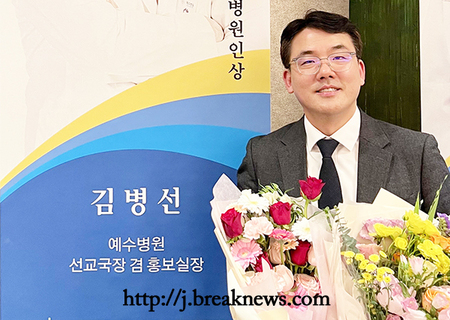
▲ 정길선 박사 ©브레이크뉴스 |
1970년대 브레즈네프 시대에 잠시 경기를 회복했던 소련은 1980년대에 들어서면서 마르크스-레닌주의, 스탈린주의, 마오주의 혹은 그 외의 어떠한 형태로든지 공산주의를 채택한 국가들에서 내재된 경제 침체가 갈수록 심화되고 있음이 명백해졌다. 그리고 점차 가속화되는 몰락의 중심에는 공산권의 핵심인 소련이 있었다. 소련은 관료제 사회에 내재된 계급적인 모순과 더불어 그에 따른 부정부패가 심각했다. 정치사상적인 면에서 전체적인 자유주의보다 개인의 자유를 우선시한다면 공산주의는 자유를 제한하는 대가로 평등을 추구하는 사상으로 이념을 유지해왔다. 실제로 자유민주주의권의 서방 세계 다수 국가들은 비효율적이고 무자비한 공산주의가 그나마 잘 돌아가게 하는 원동력은 무조건적인 평등주의를 수반한 고위 간부들 때문이라는 인식을 가지고 있었다.
하지만 이와 같은 사회주의에 대한 이상론은 소위 '공산귀족'이라 불리는 노멘클라투라(Номенклатура) 계급이 부상함으로 인해 그 양면성을 띄게 되었다. 노멘클라투라(Номенклатура)는 고대 로마의 노예 직책 중 하나이자 노멘클라토르(Nomenklator), 유력자들의 이름을 전부 외운 다음 연회에 입장하는 손님들의 이름과 직책을 주인에게 알려주면서 안내, 접대하는 일을 맡았기 때문에 노예들 중에서는 상당히 우대받았던 고위 노예들을 지칭하는 어원에서 나타난 명칭으로 소련 사회에서 온갖 부정부패를 일삼는 특권계층의 의미를 갖고 있다.
물론 당시의 공산당 관료들도 이와 같은 부정부패의 심각함을 인식하지 못했을리 없었다. 그러나 프랑스에서 발생한 사회주의 좌파 운동인 68운동이 발발하고 미국에서는 히피 운동이 유행하자 그 여파로 인해 헝가리, 체코슬로바키아, 폴란드 등에서는 여러 일련의 개혁적인 시도들이 존재했다. 이와 같은 동유럽권에서 소비에트의 영향력이 감소될 것을 우려한 소련은 동유럽의 개혁파들에게 강경한 입장을 취했고 동유럽 각 국가들에 군을 파견하여 강제로 진압되었다. 특히 체코슬로바키아의 '프라하의 봄'은 대표적인 소련 정부와 체코슬로바키아 내, 기존 공산주의 보수파들의 강경진압 중에 하나로 대표되고 있다. 더하여 이와 같은 강경노선은 동유럽의 공산정부가 가졌던 최소한의 지지와 정통성마저 상실하게 되는 연쇄적인 작용을 불러왔다.
이와 같이 바르샤바 조약기구로 대표되는 공산권의 계속되는 위기 속에서, 경제적으로나 군사적으로 미국과 함께 초강대국의 지위를 유지하고 있었던 소련만이 동유럽 공산 정권들의 유일하게 믿고 기댈 수 있는 국가였던 것이다. 그러나 정작 소련의 경제 상황도 그다지 좋지 못했다. 제2차 세계대전이 끝나고 소련식 공산주의 및 계획경제가 제3 세계로 알려진 동유럽-발칸 지역에 매력적으로 보여졌던 것은, 무엇보다도 소련이 단기간에 로마노프 제국 시절 가난한 농업국에서 미국에 이은 세계 2위의 공업국으로의 변화를 성공적으로 끝마쳤기에 가능한 일이었다.
그러나 고르바초프 서기장이 취임하던 1980년대 중반에 이르면 소련은 연평균 경제 성장률이 1%에서 2%를 웃돌고 있을 정도로 상황이 좋지 못했다. 이 시기에 소련은 전체 수출품의 38%가 천연가스, 나머지는 중공업, 화학 제품이었다. 게다가 냉전 시대 최대 적수인 미국과의 막대한 군비경쟁도 문제로 드러났다. OPEC의 석유 가격담합인 오일쇼크로 인해 1970년대 중반부터 1980년대 초반까지 소련 경제는 일시적으로 호황을 누리게 된다. 당시 사우디아라비아의 석유 장관 아메드 자키 야마니(Amed Zaki Yamani, 1930~2021)가 매월 5%를 감산하여 석유 시장에 큰 충격을 주게 되면서 1배럴 당 2.9달러였던 원유가는 한 달 만에 12달러에 이르게 되었고 전 세계 경제가 휘청거리게 되었다. 당시 산유국이었던 소련은 이 틈을 타 석유 가격을 대대적으로 인상하여 어마어마한 이득을 취했다.
그러나 1985년 사우디아라비아가 미국과 영국에 대항하여 석유 생산을 급속히 늘리게 되자 석유 값이 급속히 급락하게 되면서 소련의 경기는 다시 침체기에 접어든다. 그러면서 소련은 1979년부터 10년 동안 지속된 소련-아프가니스탄 전쟁으로 인헤 막대한 군비 지출이 있었으며 반면 미국은 서서히 베트남 전쟁에서의 후유증에서 벗어나 본 궤도를 찾아가고 있었던 상황이었다. 그나마 공산당 최고 의회 등에서 결산된 계획이 어느 정도 가능했던 소련 및 일부 위성국들은 1980년대 초 일시적으로 경기 회복 현상이 나타나기는 했으나, 근본적으로 내부에서 여러 국가 경제 부흥을 위한 정책들이 실패한 이상 이와 같은 일시적인 호조가 지속되리라고 기대하기는 어려웠다. 이와 같이 내부 경제 부흥에 실패한 관료들에게 주어진 선택지는 고작해야 자국 영토 내에 묻혀 있는 천연자원들을 팔아 연간 국가 경제를 겨우 연명해 나가는 수준의 돈을 벌었다.
한편으로는 소련 내부 사회적으로 계속되는 생활고가 잇달았으며 이에 역사적 민족 감정이 맞물려 점증하게 되면서 자국 내 인민들이 그 불만을 토로하여 파업과 시위가 연일 이어졌고 정부는 이를 강압적인 수단으로 억제하는 수밖에 없었다. 이와 같이 어려울 때 1985년 마침내 미하일 고르바초프가 소련 공산당 서기장에 취임했다. 그는 혁신적인 정책 및 소련 인민들의 삶의 질을 높여주는 개혁정책을 공약으로 내세워 비교적 젊은 나이에 권력의 정점에 오르게 되었지만 그의 문제는 사회적 경험이 일천하다는 것에 있었다. 그가 내세운 급진개혁은 경직된 소련 사회에 있어 서구의 사회민주주의와 유사한 모델을 장착시켜 변화와 개방을 노리는 정책으로 일관했고 그에 따른 플렌B와 실패할 경우를 가정하여 세운 플렌C가 존재하지 않았다는 큰 문제였다. 이러한 치명적인 약점은 1991년 결국 소비에트 연방의 역사적인 해체와 고르바초프 본인의 실각으로 이어지게 된다.
고르바초프가 청년 시기를 보냈던 시기는 흐루시초프가 집권했던 시기였다. 이 시기는 스탈린 시대의 강력한 통제와 억압으로 점철된 소련의 역사 속에서 잠시나마 해빙의 분위기로 사회적 환기가 이루어졌던 시기이기도 했다. 이러한 젊은 시절의 경험에 더해 소련의 경직된 관료 사회를 고르바초프는 본인 스스로 체득한 바 있다. 특히 서기장에 임명되기 전에 이미 소련의 공산주의를 서구식 시장 자본주의 경제와 유사한 형태로 변화시켜야 한다고 주장했었다. 그는 일련의 소련 내부에 어려움을 마주하게 되면서 개혁의 필요성을 절감하고 있었던 것으로 보인다. 그리고 대외적으로 여태 공산권 국가들이 모스크바 최고 회의에서 결정되어 각 동유럽 사회주의 국가들에 지침을 하달하는 일명 공식적인 간섭권과 명령권까지 명기한 브레즈네프 독트린이 존재하고 있었다. 그런데 고르바초프는 더 이상 모스크바 최고회의에서 각 동유럽 사회주의 지도층들에게 이와 같은 내용들을 하달하지 않았다.
그리고 바르샤바 조약기구에 속한 다른 사회주의 국가들에 대해서도 모스크바 최고회의에서 의결된 정책지시를 하지 않겠다고 선언했다. 이는 사실상 소비에트 러시아 외, 동유럽 사회주의 지도층들에게 알아서 하라는 지시였다. 이와 같은 지시는 소련의 위상을 추락시키며 바르샤바 조약기구를 해체시키는 원인이 된다. 이는 고르바초프의 최악의 실책 중에 하나였다. 이어 경제 규모가 소련의 2배에 달하는 미국과의 군비경쟁에서 더 이상 미국에게 이길 가능성이 없다고 판단하여 각종 군사용 무기 감축을 시도하게 되면서 냉전 시대 이래 미국과의 경쟁을 스스로 포기하게 된다. 그러면서 내, 외부 정보의 자유를 허용하고 통제를 완화했다. 당시 소련에 만연해 있었던 언론 검열 및 어용화, 사상 개조 및 반동분자의 색출과 탄압 등 경찰 국가주의에 대한 변혁을 추구하게 되는데 이를 글라스노스트(Гласность)라고 한다. 이어 관료사회의 경직과 부패로얼룩진 정치적인 부분과 경제적인 부분에서 개조를 시도했다.
특히 부패한 관료제 타파하면서 글라스노스트(Гласность)로 이를 투명히 공개하고 공산주의 경제의 체제적 한계점을 개선하면서 점진적으로 시장 경제 및 자유화를 추구하는 등의개방 정책을 선포하게 된다. 이 자체를 페레스트로이카(Перестройка)라고 한다. 두 가지 정책의 이름으로만 놓고 볼 때는 대단히 혁신적이고 최고의 개혁 정책이었다. 그러나 그 한계는 글라스노스트와 페레스트로이카 사이에 존재한 소련 내부의 가장 근본적인 모순을 간과했다는 점에 있었다. 단기간에 이와 같은 페레스트로이카를 추진하기 위해서 본질적으로 강력한 중앙 권력이 필요했지만 브레즈네프 독트린을 철폐함으로써 그 권한을 축소하여 스스로 발목에 족쇄를 채웠다. 게다가 고르바초프는 정보의 자유화로 인해 대중적인 지지를 크게 이끌어낼 것으로 기대했지만 오히려 대중들은 여기에 냉담한 반응을 보였다.
수십년간 공산당의 강력한 탄압에 억눌려 있던 소련 인민들에게 있어 글라스노스트는 매우 생소했고 기본 경제 정책과 평범한 삶의 질이 보장되지 못했기 때문에 자유라는 명목을 앞세워 저마다 사회적 불만들을 토해내기 시작하니 이는 통제 불능의 사회적 혼돈으로 이어졌다. 당 지도자들은 정권의 힘만으로는 끝없이 불어나는 대중의 힘을 통제조차 할 수 없다는 사실을 깨닫게 된다. 정보의 자유화나 민주 질서의 수립은 기본적으로 사회적 통제의 수반과 어디까지 허용하는지에 대해 기본적인 논의도 부족했던 것이 문제였다. 게다가 시장 경제의 개방성을 주장하는 소련 내 일부 지식인들조차도 정치, 경제적 개방인 페레스트로이카보다는 사상적 자유, 민주적인 발언권 보장 등이 명시된 글라스노스트가 훨씬 더 우위에 있었다. 그러다보니 페레스트로이카가 기본이 되어 글라스노스트를 주도하는 것이 마땅한 진리가 뒤바뀌게 되면서 사회적 혼란이 가중되었던 것이다.
그러면서 공개의 자유로 인해 자신들의 부패를 숨기고자 하는 노멘클라투라(Номенклатура) 계급 관료들 글라스노스트에 대해 대대적인 비난에 나서면서 오히려 중앙권력의 추진력을 갈수록 약화시키는 요인으로 작용하게 된다.
*필자/ 정길선.
노바토포스 회원, 역사학자, 고고인류학자, 칼럼니스트, 러시아 과학아카데미 유라시아 고고인류학연구소 연구교수.
*아래는 위 기사를 '구글 번역'으로 번역한 영문 기사의 [전문]입니다. '구글번역'은 이해도 높이기를 위해 노력하고 있습니다. 영문 번역에 오류가 있을 수 있음을 전제로 합니다.<*The following is [the full text] of the English article translated by 'Google Translate'. 'Google Translate' is working hard to improve understanding. It is assumed that there may be errors in the English translation.>
The Weakening of Communism in the Late Soviet Union and the Causes of Mikhail Gorbachev’s Failure to Reform
Columnist Jeong Gil-seon
The Soviet Union, which briefly recovered during the Brezhnev era in the 1970s, became increasingly aware of the deepening economic stagnation inherent in countries that had adopted communism in any form, whether Marxism-Leninism, Stalinism, Maoism, or any other form. And at the center of the accelerating collapse was the Soviet Union, the core of the communist bloc. The Soviet Union had serious class contradictions inherent in its bureaucratic society and the resulting corruption. In terms of political ideology, if individual freedom is prioritized over overall liberalism, communism has maintained its ideology as an ideology that pursues equality at the expense of restricting freedom. In fact, many Western countries in the liberal democratic bloc believed that the driving force behind inefficient and ruthless communism was the high-ranking officials who accompanied it with unconditional egalitarianism.
However, this idealism about socialism became ambivalent due to the rise of the so-called 'communist aristocracy', the nomenklatura (Номенклатура). Nomenklatura (Номенклатура) was one of the slave positions in ancient Rome, and the name of the nomenklatura (노먼크латура) refers to high-ranking slaves who were treated with considerable favor among slaves because they memorized all the names of influential people and informed the host of the names and positions of guests entering the banquet, and guided and entertained them. It has the meaning of a privileged class that committed all kinds of corruption in Soviet society.
Of course, the communist party officials at the time could not have been unaware of the seriousness of this corruption. However, when the '68 movement, a socialist leftist movement that originated in France, broke out and the hippie movement became popular in the United States, several reformist attempts existed in Hungary, Czechoslovakia, Poland, etc. as a result. The Soviet Union, concerned that Soviet influence in Eastern Europe would decline, took a hard-line stance against reformists in Eastern Europe and forcibly suppressed them by sending troops to each Eastern European country. In particular, the Prague Spring in Czechoslovakia is representative of the hard-line suppression of the Soviet government and the existing communist conservatives in Czechoslovakia. In addition, this hard-line policy brought about a chain reaction in which the communist governments in Eastern Europe lost even the minimal support and legitimacy they had.
In this way, amidst the ongoing crisis in the communist bloc represented by the Warsaw Pact, the Soviet Union, which maintained the status of a superpower along with the United States both economically and militarily, was the only country that the communist regimes in Eastern Europe could trust and rely on. However, the economic situation of the Soviet Union was not very good. After World War II, the appeal of Soviet-style communism and planned economy to the Eastern European-Balkan region, known as the Third World, was possible because the Soviet Union had successfully transformed itself from a poor agricultural country during the Romanov Empire to the world's second-largest industrialized country after the United States in a short period of time. However, by the mid-1980s, when General Secretary Gorbachev took office, the Soviet Union was in a bad situation, with its annual average economic growth rate hovering around 1% to 2%. During this period, natural gas accounted for 38% of the Soviet Union's total exports, with the remainder being heavy industry and chemical products. In addition, the massive arms race with the United States, its greatest Cold War rival, was also a problem. Due to the oil shock, which was OPEC's price fixing, the Soviet economy temporarily enjoyed a boom from the mid-1970s to the early 1980s. At that time, Saudi Arabia's oil minister, Ahmed Zaki Yamani (1930-2021), shocked the oil market by cutting production by 5% every month, causing the price of crude oil, which was $2.90 per barrel, to reach $12 in a month, and the global economy to falter. The Soviet Union, which was an oil-producing country at the time, took advantage of this opportunity to raise oil prices significantly and make enormous profits. However, in 1985, when Saudi Arabia rapidly increased oil production to compete with the United States and the United Kingdom, oil prices plummeted, and the Soviet economy entered a recession again. At the same time, the Soviet Union had massive military spending due to the 10-year Soviet-Afghan War that had lasted from 1979, while the United States was slowly recovering from the aftereffects of the Vietnam War and getting back on track. The Soviet Union and some satellite countries, which were able to implement plans to some extent as determined by the Supreme Council of the Communist Party, experienced a temporary economic recovery in the early 1980s, but it was difficult to expect this temporary boom to continue since the policies for revitalizing the national economy had fundamentally failed internally. The only option available to bureaucrats who had failed to revive the internal economy was to sell natural resources buried within their own territory and earn enough money to barely sustain the national economy.
On the other hand, social hardships continued within the Soviet Union, and historical national sentiments increased as the people within the country voiced their discontent, leading to strikes and protests every day, and the government had no choice but to suppress them through coercive means. During these difficult times, Mikhail Gorbachev finally took office as General Secretary of the Communist Party of the Soviet Union in 1985. He rose to the pinnacle of power at a relatively young age by promising innovative policies and reform policies that would improve the quality of life of the Soviet people, but his problem was that he had little social experience. The radical reforms he put forward were consistent with policies that aimed for change and openness by equipping rigid Soviet society with a model similar to Western social democracy, and the major problem was that there was no Plan B or Plan C established in case of failure. This fatal weakness ultimately led to the historical dissolution of the Soviet Union and Gorbachev's own downfall in 1991. Gorbachev spent his youth during the period when Khrushchev was in power. This was also a time when social revitalization was achieved through a brief thaw in the history of the Soviet Union, which was marked by the strong control and suppression of the Stalin era. In addition to these experiences during his youth, Gorbachev had personally learned about the rigid bureaucracy of the Soviet Union. In particular, before being appointed as Secretary General, he had already argued that Soviet communism should be transformed into a form similar to a Western-style market capitalist economy. It seems that he had become keenly aware of the need for reform as he faced a series of difficulties within the Soviet Union. And externally, the communist countries had the so-called Brezhnev Doctrine, which stipulated the official right of intervention and command to each Eastern European socialist country, which had been decided at the Moscow Supreme Council. However, Gorbachev no longer gave such instructions to the Eastern European socialist leaders at the Moscow Supreme Council.
He also declared that he would not give policy instructions decided at the Moscow Supreme Council to other socialist countries belonging to the Warsaw Pact. This was in effect an instruction to the Eastern European socialist leaders, excluding Soviet Russia, to do as they pleased. This instruction lowered the status of the Soviet Union and led to the dissolution of the Warsaw Pact. This was one of Gorbachev's worst mistakes. Afterwards, he judged that he could no longer win the arms race with the United States, which had an economy twice that of the Soviet Union, and attempted to reduce various military weapons, thereby voluntarily giving up competition with the United States since the Cold War. At the same time, he allowed freedom of internal and external information and eased control. At that time, the police state, including censorship and censorship of the press, ideological reform, and the detection and suppression of reactionaries, was being pursued to reform, and this was called glasnost (Гласность). Next, attempts were made to reform the political and economic sectors that were stained with rigidity and corruption in the bureaucracy.
In particular, while overthrowing the corrupt bureaucracy, they transparently disclosed it through glasnost (Гласность), and while improving the systemic limitations of the communist economy, they gradually declared an open policy such as pursuing a market economy and liberalization. This itself was called perestroika (Перестройка). When viewed only in terms of the two policies, it was an extremely innovative and the best reform policy. However, its limitation was that it overlooked the most fundamental contradiction within the Soviet Union that existed between glasnost and perestroika. In order to push forward such perestroika in a short period of time, a strong central power was essentially needed, but by abolishing the Brezhnev Doctrine, he reduced its authority and shackled himself. Furthermore, Gorbachev expected that the liberalization of information would greatly attract popular support, but the public responded coldly to it instead.
For the Soviet people who had been oppressed by the strong suppression of the Communist Party for decades, glasnost was very unfamiliar, and since basic economic policies and ordinary quality of life were not guaranteed, each began to vent their social discontent in the name of freedom, which led to uncontrollable social chaos. Party leaders realized that they could not even control the endlessly growing power of the public with the power of the regime alone. The problem was that the liberalization of information and the establishment of a democratic order were basically accompanied by social control and there was a lack of basic discussion on how far it would be allowed. Moreover, even some intellectuals in the Soviet Union who advocated for the openness of the market economy considered glasnost, which guaranteed ideological freedom and democratic freedom of speech, to be much more superior than perestroika, which was political and economic openness. As a result, the truth that perestroika should be the basis for leading glasnost was overturned, which aggravated social confusion.
At the same time, the nomenklatura (Номенклатура) class bureaucrats who tried to hide their corruption through freedom of publicity began to criticize glasnost on a large scale, which actually served as a factor weakening the driving force of the central government.