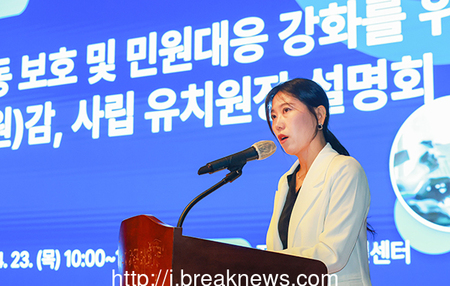
▲ 정길선 박사 ©브레이크뉴스 |
1950년대 태국의 좌파 지식인 중에서 찟 푸미삭(Jit Phumisak, 1930~1966)이라는 이름의 시인, 뮤지션, 지식인은 당대에서 가장 유명했던 지식인이었다. 찟은 절대왕정이 폐지되기 직전에 태어나 사회주의가 유행하던 시기의 반미(反美) 정서 속에서 자랐다. 그 또한 앞선 사회주의자들의 영향을 받은 당대 사회주의 작가 중 하나였지만 다른 사회주의자 및 마르크스주의자와 다른 점은 때 이른 죽음 이후 금서가 된 그의 작품을 젊은 활동가들이 비밀리에 복제하여 유통했다는 점이 다른 부분이라 할 수 있다. 2016년은 찟의 50주기가 되는 해인데, 시간이 흐르면서 그의 이미지가 어떻게 공산주의자에서 혁명가, 학자, 최근에는 복권 당첨번호를 알려주는 영험한 혼령으로 변해 왔는지 살펴보면 흥미로운 대목이라 할 수 있겠다. 찟 푸미삭이라는 인물은 태국 정치사를 공부한 이들에게 있어 마르크스주의 지식인으로, 언어학이나 문학 연구자에게는 농민과 노동계급을 대변하는 재능 있는 시인으로 알려졌다. 그러나 무엇보다도 사회주의자와 정치 활동가들에게 감히 태국 왕가와 불교를 비판한 진보적, 저항적 사상가로 기억되고 있다는 것이 특징이다.
찟은 1930년 9월 25일 태국의 전형적인 중간계급 가족에서 태어났다. 아버지는 세무 공무원이고 어머니는 주부였다. 태어난 곳은 태국 동부의 쁘라친부리(Prachinburi) 주이고 어린 시절 아버지의 직업 때문에 각 지역으로 이사 다니다가 16세에 방콕으로 이주했다. 찟은 고등학교 시절부터 글쓰기에 관심이 많았다. 시를 다수 썼는데 대부분은 사랑, 연애, 여행에 관한 것이었다. 어린 시절 그는, 제2차 세계대전 중에는 태국 영토였지만 지금은 캄보디아 동북부가 된 바탐방에 잠시 거주했던 적이 있다. 바탐방에서 그는 크메르 언어, 역사, 고고학에 대해 배워 고대 비문을 읽을 줄 알게 되었는데 덕분에 태국 고전 문학에 관심을 갖게 되었다. 젊은 시절 찟은 “문학 연구자가 되고 싶은 꿈이 있었지만, 현실의 나는 너무 가난했다 … 책을 사고 싶어도 돈이 없었다.” 라고 했다. 이 시기에 저술한 시는 대개 사랑과 연애에 관한 것이지만 1946년에 쓴 시 한 편은 태국이 프랑스에 바탐방을 탈환하기를 바라는 애국적인 감정에 관한 것이라 볼 수 있다. 이 시에서 그는 태국이 다시 강력해진다면 잃어버린 영토를 되찾을 수 있을 것이라고 노래했다. 언어적 재능이 뛰어난 독서가였던 찟은 1950년 쭐라롱꼰(Chulalongkorn) 대학교 인문학부에 입학했다. 대학 시절 그는 마르크스주의 사상을 받아들이고 학내 외에 글을 다수 발표했다.
그 중 찟 푸미삭 자신이 편집자로 있던 쭐라롱꼰 대학교 연감에 1953년 발표한 글 2편이 학내에서 큰 논란을 불러일으켜, 보수적인 학생들에 의해 연단에서 끌려 내려오는 일까지 발생했다. 이 사건은 후일 욘복(Yonbok) 사건으로 알려지게 된다. 연감에 발표한 글은 불교 승려들의 탐욕스럽고 물질주의적인 행동을 비판한 산문 한 편과 쾌락으로 인해 임신한 여성은 어머니로 불릴 자격이 없다고 비판하는 시 한 편이었다. 이 글로 인해 찟 푸미삭은 1년 반 동안 정학 당했을 뿐 아니라 경찰로부터 공산주의자일지 모른다는 의심을 사게 된다. 태국 사회의 두 핵심 가치인 불교와 여성을 비판했던 것인데 이러한 입장은 당시에는 공산주의로 간주되었다. 그러나 정학 중과 후에도 찟은 태국 봉건주의, 제국주의, 왕조 중심의 역사를 비판하는 작품을 시, 기사, 문학 비평, 사회주의 소설 번역의 형태로 왕성하게 생산하기를 멈추지 않았다. 찟의 가장 유명한 저작인 <오늘날 태국 봉건주의의 진정한 얼굴(The true face of Thai feudalism today)>은 왕조와 지배 계급 내부에서 오래도록 지속되어 온 삭디나(Sakdina, ‘논(畓)의 힘’이라는 뜻)를 비판했었다. 15세기 중반 아유타야 왕조 때 왕족부터 노예까지 모든 백성이 신분에 따라 받는 토지의 양을 정한 제도이나, 시간이 흐르면서 신분제와 봉건제를 상징하는 가치만 남았다.
이어 봉건적 가치에 기반을 둔 태국 사회 구조를 노골적으로 비판하고 1950년대 말 태국 사회의 봉건적인 잔재를 지적한다. 이 책은 크레이그 레이놀즈가 1987년 영어로 번역하고 주석을 달아 해외 학계에도 알려졌다. <진정한 얼굴(The true face)>은 1957년 한 저널에 처음 발표된 뒤 얼마 지나지 않아 금서가 되었다. 1958년 친미 과두의 반공산주의 정책이 펼쳐지는 가운데 찟은 체포되어 투옥되었다. 사릿 타나랏 장군이 쿠데타를 일으킨 그 해였는데 찟은 다른 정치범들과 함께 재판 없이 6년간 투옥되었다가 1964년 ‘무죄’ 평결을 받아 석방되었다. 그 후 찟은 동북부의 태국 공산당에 가담하러 정글로 들어갔다가 1966년 36살의 나이에 촌장과 민병대의 총에 맞아 사망했다. 당국이 그를 공산주의자로 지목했기 때문에 살인은 정당화 되었고 그를 저격한 촌장은 미국 당국으로부터 소총과 하와이 행 왕복 항공권을 보상으로 받았다고 한다. 찟의 시신은 제대로 화장되지 않았고 그의 죽음을 둘러싼 상세한 정황은 오늘날까지도 불확실한 채로 남아 있다. 앞서 언급한 것과 같이 찟이 당대의 유일한 좌파 작가는 아니었다. 1932년 혁명부터 제2차 세계대전 이후 시기까지 중국계 공산주의자와 좌익 지식인들이 책, 신문, 잡지 등의 인쇄 매체를 통해 태국 지식인 사회에 마르크스주의를 소개했다.
그러나 찟을 이전 세대와도 이후 세대와도 다르게 만든 것은, 그의 학문적 저술이 학자들 사이에 논란이 된 점 말고도 문제적인 생애 탓에 1970년대 중반 태국 민주화 운동을 이끈 젊은 세대 사이에서 문화 영웅이자 혁명가의 전범이 되었다는 점이다. 살아있는 동안 찟은 에세이, 시, 학술논문, 노래 등 다양한 장르에서 작품을 남겼다. 그의 작품은 크게 세 가지 주제로 나눌 수 있는데, 태국과 크메르 (캄보디아) 역사, 어원학, 문화 기술지에 관한 학술 작업, 태국 고전 문학과 예술 비평, 마르크스주의 소설 번역과 여성과 불교에 대한 비판과 옥중 생활에 대한 회고록 등이다. 그의 거의 모든 작품은 마르크스주의 사상의 영향을 받아, 태국 지배 계급을 비판하고 사회적 변화를 요구하며 농민과 노동 계급의 이야기를 대변하고자 하는 뚜렷한 목표를 담고 있다. 그가 작곡한 노래 16곡 중에서 <생다오 행 삿타Saengdao haeng sattha, 믿음의 별빛>이 가장 유명하다. 찟은 옥중에서 자신과 동지들이 어려움과 불의를 극복할 용기를 북돋기 위해 이 곡을 만들었는데, 다시 논하겠지만 이 노래는 1970년대 중반 태국 민주화운동 이후 지금까지 사회 불의에 맞서는 시위대에게 상징적인 곡이 되었다. 1947년 피분 송크람이 쿠데타를 일으켰으며 프리디 파놈용(Pridi Phanomyong, 1900~1983) 태국의 정치인이자 사회운동가로써 초창기 프랑스 유학 동기였던 송크람을 도왔다.
프리디는 1932년 혁명과 제2차 세계대전 중 자유 태국 운동을 이끌었으며 1946년 총리로 선출되었다. 탐마삿 대학의 설립자이자, 태국 자유주의와 반 군부 운동의 상징이기도 하다. 송크람과 프리디는 민간정권을 전복했지만, 1945년부터 1958년까지는 태국 사회문학의 황금기이자 전후 태국 좌익과 민족해방운동이 형성되는 중요한 시기로 여겨진다. 태국 좌익 운동은 제2차 세계대전 중 중국 혁명에 영감을 받은 이들이 태국 공산당을 결성하고, 자유 태국, 세리 타이(Seri Thai) 운동 내 좌익 구성원의 지지를 얻으면서 시작됐다. 제2차 세계대전 중 일본 제국주의에 맞서 연합군에 협력한 태국의 지하운동이었는데 1958년 쿠데타 이후 사릿의 탄압으로 그중 다수가 단명했지만, 1946년에서 1967년 사이 적어도 23종의 급진적 출판물이 신문, 주간지, 격주간지, 월간지 형태로 발행되었다. 당시의 급진적 출판물 중에서는 월간지 <악손산>이 가장 널리 알려졌다. 1949년 친 프리디파 베테랑 언론인 수파 시리마논이 창간한 이 잡지는 태국 사회주의 지식인들이 외국 저작의 번역을 통해 마르크스주의에 대한 생각과 연구를 확산시키는 중요한 안내서가 되었다.
잡지의 필자 중 절반 정도는 우익 지식인이었기 때문에 완전히 좌익 일색은 아니었지만 꿀랍 사이쁘라딧(Kulap Saipradit), 아사니 폴짠, 사막 부라왓(Samak Burawat)과 같은 사회주의자의 기고문은 마르크스주의 사상을 전파하는데 큰 영향을 끼쳤다. 아사니는 인트라웃(Intrawuth)이라는 필명으로 불교와 문학으로 지탱하고 있는 권력적 수단을 정당화하는 지배 계급을 비판하는 글을 여럿 저술했다. 예를 들어 그는 아유타야 시대의 유명한 고전이자 잘 생긴 왕자와 타국 출신 두 공주의 비극적 사랑 이야기 <릴릿 프라 로르(Lilit Phra Lor), 로르 왕자 서사시>를 비판했다. 인트라웃은 이 이야기가 지배 계급이 즐겨 읽는 얇고 야설인 이야기이며 인민을 왕조에 복종하게 만든다고 주장했다. 그의 다른 글에는 마르크스주의 입문, 중국의 사회주의자인 루쉰의 작품 번역, 스탈린의 역사유물론에 관한 글 번역 등이 있다. 아사니 같은 <악손산>의 전위적 필자들이 새로운 개념의 예술 곧 ‘삶을 위한’ 예술과 문학을 소개하는데 중요한 역할을 했다고 한다. <악손산>은 1952년 공산주의적인 색채로 인해 타나랏 정권에 의해 폐간되고 말았다. 이 잡지는 단명했지만 찟 푸미삭을 비롯하여 후일 진지한 사회주의자가 되는 수많은 젊은 독자에게 영감을 불러일으켰다.
찟은 <악손산>의 초창기 필자들로부터 분석의 방법론뿐 아니라 글의 소재도 얻었다. 그렇다면 찟 푸미삭은 언제, 어떻게 사회주의와 마르크스주의를 받아들였는지에 대해 알아볼 필요가 있다. 그는 보수 우익 기관인 쭐라롱꼰 대학교가 마르크스주의를 배우고 그 사상을 수용한 곳이다. 1950년대 초 좌파 지식인들에게 사회주의와 마르크스주의 연구가 점점 더 주목받던 상황을 고려하면 우연은 아니다. 찟은 <악손산>에 실린 글에서 영감을 얻고 중국의 혁명가 루쉰에 대해 알고 존경하게 되었을 것이다. 찟은 주요 작품인 <오늘날 태국 봉건주의의 진정한 얼굴>로 널리 알려져 있지만 그의 다른 작품 또한 주목해 볼만 한 가치가 있다. 태국과 캄보디아 고전문학의 열독자였던 찟은 수코타이 시대부터 방콕 시대 중기인 13세기부터 1860년대 사이에 저술한 숱한 태국 고전 문학 작품을 비평했다. <진정한 얼굴>에서와 비슷하게 찟의 목적은 보통 사람들의 삶이 아니라 왕족과 조신에게만 초점을 맞추는 고전적인 운문 쓰기 방식을 비판하고 독자들이 이와 같은 작품들의 사회적 측면에 더 관심을 기울이기를 촉구하기 위한 것이다. 가장 먼저 찟은 하급 관료인 띰 수카양(Tim Sukhayang)이 1869년에 저술한 장문의 기행문 <니랏 농카이Nirat Nongkhai (농카이 기행)>을 비평했다.
이 글은 당시 태국의 조공국가이던 라오스에서 일어난 반란을 진압하러 방콕에서 동북부 농카이로 떠난 군사 원정에 관한 것이다. 원정대에 참여했던 저자 띰은 그 원정이 얼마나 험난했는지에 대해 묘사하고, 원정대 사령관이자 쭐라롱꼰 왕 시절의 권신인 프라야 보롬마하스리수리야웡(Phraya Borommahasrisuriyawong)의 오판과 전략적 부재를 지적했다. 자신이 비판당한 것을 안 프라야 사령관은 분노하여 자신의 영향력으로 쭐라롱꼰 왕을 압박해 띰에게 벌을 내린다. 기행문은 출판된 지 얼마 지나지 않아 법정의 명령에 따라 금서가 되고 불태워졌으며 띰도 형벌을 받고 투옥되었다. 찟은 띰이 윗사람을 비판할 수 있을 만큼 용감했기에 처벌받았다고 지적했다. 상관을 비판하는 것은, 그에 볼 복종하는 것은 아닐지라도 태국 사회에서 받아들일 수 없는 일로 여겨졌다. 당시에 쓰인 니랏(Nirat)이 대개 저자가 방문한 장소의 풍경을 묘사하는 나레이션 설명과 고향과 연인을 그리워하는 주관적인 감정을 대개 야롯한 표현을 동원해 담았던 것에 반해 <니랏 농카이>는 당시 왕궁 안의 정치적 파벌을 비판함으로써 전통 양식을 뛰어 넘었다는 점이 특징이라 할 수 있다. 저자는 자신이 만난 사람들과 방문한 고장의 사회 경제 생활도 묘사하였는데, 그러한 부분은 찟이 보기에 사료적 가치가 충분했다. 한편 찟은 독자들에게 기행문을 재미로만 읽지 말고 그 사회적 함의까지 들여다보라고 요청했다.
또 한편 그는 이 작품을 과거로부터 현재까지 이어지는 태국 사회의 위계와 후원-수혜(Patron-client) 체제를 보여주는데 이용했다. 찟은 고전 <릴릿 옹칸 챙남(Lilit Ongkam Chaengnam, 충성의 맹세)』도 함께 분석했다. 이 작품은 14세기 중반 아유타야 초기에 저술된 작자 미상의 작품으로 태국 역사에서 가장 오래된 작품 중 하나다. 이 시는 왕을 배신하거나 불충하는 자에게 내릴 엄청난 저주와 재앙에 관한 것이다. 해마다 두 차례 브라만 승려들이 주제하는 충성의 맹세 의식에 맞추어 쓰였는데 이 의식에서 관료들은 왕에 대한 충성의 상징으로 ‘성스러운’ 물을 마셔야 한다. 앙코르 왕국의 영향을 받은 이 의식은 수코타이(1238~1438) 시대부터 1932년 찟이 평민의 혁명이라 평가한 쿠데타까지 이어지는 긴 역사를 갖고 있다. 태국의 보수 학자들은 이 작품을 왕국 내 다른 지역 출신인 관료들을 통합하는 위대한 글로 판단했으며, 의식 자체는 모든 재앙을 막아주는 액막이 역할을 한다고 여겼다. 그러나 찟이 보기에 이 글은 태국의 왕을 힌두 사상의 신왕(God-King), 곧 데와라차(Devaraja)로 격상시키고 충성의 맹세를 신성한 것으로 만들어 왕권을 정당화하고 그에 복종하게 할 목적으로 사용되었다. 그는 왕에게 충성의 맹세를 하지 않으면 반역자로 몰려 사형에 처해지는 이 의식을 두고 사실 왕의 신민을 겁박하고자 열린 것으로 비이성적일뿐 아니라 일종의 착취라고 주장했다.
당시의 반공주의라는 이념에 놓고 본다면, 정부가 공산주의를 반란으로 여기는 자신의 시대와 고대의 반란을 비교해보려 했던 것이다. 찟은 위에서 분석한 궁정 중심적 문학과는 상반되는 대중소설 <라덴-란다이Raden-Landai (라덴과 란다이 이야기)>도 비평했다. 19세기 초 라마 3세 재위 시기에, 찟이 삭디나(봉건) 관료로 여긴 경찰 수장 프라 마하몬뜨리(Phra Mahamontri)가 저술한 이 작품은, 인도계 거지 란다이와 두 여인 끄라-애(Kra-ae)와 쁘라데(Pradae)에 관한 이야기다. 현대에는 민주주의 이념이 확고한 토대를 가지게 되면서 선진국을 중심으로 실질적인 통치권은 의회와 내각 그리고 총리로 이동했고, 군주의 정치적 권한은 대부분 유명무실한 것으로 전환되었다. 그러나 대통령제처럼 정부수반을 직선제로 선출하면 군주의 민주적 지위 및 권위와 충돌한다고 하여 의원내각제를 채택하는 경우가 많긴 하다. 이렇게 민주주의가 성공적으로 자리 잡은 입헌군주제 국가의 군주는 근대 이전부터 존재했던 왕정이 실권을 잃은 탓에 상징적 의미로만 남아 있는 경우가 흔하다. 그래서 왕족은 정치인이라기보다 일종의 인간문화재에 가깝다.
*필자/ 정길선.
노바토포스 회원, 역사학자, 고고인류학자, 칼럼니스트, 러시아 과학아카데미 유라시아 고고인류학연구소 연구교수.
*아래는 위 기사를 '구글 번역'으로 번역한 영문 기사의 [전문]입니다. '구글번역'은 이해도 높이기를 위해 노력하고 있습니다. 영문 번역에 오류가 있을 수 있음을 전제로 합니다.<*The following is [the full text] of the English article translated by 'Google Translate'. 'Google Translate' is working hard to improve understanding. It is assumed that there may be errors in the English translation.>
A Symbol of Thai Leftist Intellectuals: Jit Phumisak and Socialist Literature in Southeast Asia
Columnist Jeong Gil-seon
Among the leftist intellectuals of the 1950s in Thailand, the poet, musician, and intellectual Jit Phumisak (1930–1966) was arguably the most renowned of his time. Born just before the abolition of the absolute monarchy, Jit grew up amidst anti-American sentiment during the socialist boom. While he was one of the socialist writers of his time, influenced by his predecessors, he differed from other socialists and Marxists in that his works, banned after his untimely death, were secretly copied and distributed by young activists. 2016 marks the 50th anniversary of Jit's death, and it is fascinating to examine how his image has evolved over time, from that of a communist, revolutionary, scholar, and, more recently, a psychic spirit who predicts winning lottery numbers. Chit Bhumisak is known to those who study Thai political history as a Marxist intellectual, and to linguists and literary scholars as a talented poet who represented the peasantry and working class. However, he is remembered most notably by socialists and political activists as a progressive and resistant thinker who dared to criticize the Thai monarchy and Buddhism.
Cit was born on September 25, 1930, into a typical middle-class Thai family. His father was a tax official and his mother was a housewife. He was born in Prachinburi Province in eastern Thailand. His father's work moved him around the country throughout his childhood, eventually relocating to Bangkok at the age of 16. Chit developed an interest in writing from high school onward. He wrote numerous poems, most of which dealt with love, romance, and travel. As a child, he briefly resided in Battambang, then Thai territory but now in northeastern Cambodia, during World War II. In Battambang, he learned about the Khmer language, history, and archaeology, and learned to read ancient inscriptions, which sparked his interest in classical Thai literature. As a young man, Chit said, "I dreamed of becoming a literary scholar, but in reality, I was so poor... I couldn't afford books even if I wanted to." While the poems he wrote during this period mostly dealt with love and romance, one poem written in 1946 can be seen as a patriotic sentiment, expressing his hope that Thailand would reclaim Battambang from the French. In it, he sang that if Thailand were to become powerful again, it would be able to reclaim its lost territories. A gifted reader with a gift for language, Chit entered the Faculty of Humanities at Chulalongkorn University in 1950. While there, he embraced Marxist ideology and published numerous works both on and off campus.
Among them, two articles published in 1953 in the Chulalongkorn University yearbook, of which Chit Bhumisak was editor, sparked a major controversy on campus, leading to his being dragged off the podium by conservative students. This incident later became known as the Yonbok Incident. The articles in the yearbook included a prose piece criticizing the greedy and materialistic behavior of Buddhist monks and a poem criticizing women who became pregnant for pleasure as unworthy of being mothers. These articles not only led to Chit Bhumisak's suspension for a year and a half, but also raised suspicions from the police that he might be a communist. His criticism of two core values of Thai society, Buddhism and women, was considered communist at the time. However, during and after his suspension, Chit continued to produce a prolific output of poetry, articles, literary criticism, and translations of socialist novels, all critical of Thai feudalism, imperialism, and the dynasty-centered history. Chit's most famous work, "The True Face of Thai Feudalism Today," criticized the long-standing practice of Sakdina (literally "power of the rice fields") within the Thai monarchy and ruling class. This system, established in the mid-15th century during the Ayutthaya Dynasty, determined the amount of land allotted to each citizen, from royalty to slaves, based on their social status. However, over time, only the values symbolizing the caste system and feudalism remained.
The book then explicitly criticizes the Thai social structure based on feudal values and points out the remnants of feudalism in Thai society in the late 1950s. The book gained recognition in international academic circles when Craig Reynolds translated and annotated it into English in 1987. "The True Face" was banned shortly after its initial publication in a journal in 1957. In 1958, amidst the anti-communist policies of the pro-American oligarchy, Chit was arrested and imprisoned. It was the same year General Sarit Thanarat staged a coup. He was imprisoned without trial along with other political prisoners for six years before being acquitted and released in 1964. He then went into the jungle to join the Thai Communist Party in the northeast, where he was shot dead by a village chief and militia in 1966 at the age of 36. The killing was justified because the authorities had labeled him a communist, and the village chief who shot him reportedly received a rifle and a round-trip ticket to Hawaii from the US authorities. Chit's body was not properly cremated, and the details surrounding his death remain unclear to this day. As mentioned earlier, Chit was not the only leftist writer of his time. From the 1932 revolution to the post-World War II period, Chinese communists and leftist intellectuals introduced Marxism to Thai intellectuals through books, newspapers, and magazines.
However, what distinguished Chit from both previous and subsequent generations was not only the controversy surrounding his scholarly writings among scholars, but also the fact that his controversial life made him a cultural hero and role model for the younger generation leading the Thai democracy movement in the mid-1970s. During his lifetime, Chit produced works in a variety of genres, including essays, poetry, academic papers, and songs. His work can be broadly divided into three themes: scholarly work on Thai and Khmer (Cambodian) history, etymology, and cultural technology; criticism of classical Thai literature and art; translations of Marxist novels; critiques of women and Buddhism; and memoirs of his imprisonment. Influenced by Marxist thought, nearly all of his works embody the clear goal of critiquing the Thai ruling class, demanding social change, and representing the stories of the peasantry and working class. Of the 16 songs he composed, "Saengdao Haeng Satta" (Starlight of Faith) is the most famous. Chit composed this song while in prison to encourage himself and his comrades to overcome hardship and injustice. As will be discussed later, the song has become a symbolic anthem for protesters against social injustice since the Thai democracy movement of the mid-1970s. In 1947, Phibun Songkhram staged a coup, and Pridi Phanomyong (1900–1983), a Thai politician and social activist who had been a classmate of Songkhram's while studying in France, assisted him.
Pridi led the Free Thailand movement during the 1932 revolution and World War II, and was elected Prime Minister in 1946. He is the founder of Thammasat University and a symbol of Thai liberalism and the anti-military movement. Although Songkhram and Pridi overthrew the civilian regime, the period from 1945 to 1958 is considered a golden age for Thai social literature and a crucial period in the formation of the post-war Thai left and national liberation movement. The Thai left movement began during World War II, when those inspired by the Chinese Revolution formed the Communist Party of Thailand and gained support from leftists within the Free Thailand, Seri Thai movement. This underground movement in Thailand collaborated with the Allied forces against Japanese imperialism during World War II. While many of these movements were short-lived due to Sarit's suppression following the 1958 coup, at least 23 radical publications were published between 1946 and 1967, including newspapers, weeklies, biweeklies, and monthly magazines. The most widely known of these radical publications was the monthly magazine Aksonsan. Founded in 1949 by veteran pro-Pridi journalist Supa Sirimanon, this magazine became a crucial guide for Thai socialist intellectuals to disseminate Marxist thought and research through translations of foreign works.
Although about half of the magazine's contributors were right-wing intellectuals, it wasn't entirely left-wing, and contributions by socialists like Kulap Saipradit, Asani Polchan, and Samak Burawat had a significant impact on the spread of Marxist thought. Asani, under the pen name Intrawuth, wrote several articles criticizing the ruling class's justification for its power through Buddhism and literature. For example, he criticized the famous Ayutthaya classic Lilit Phra Lor (The Epic of Prince Lor), a tragic love story between a handsome prince and two foreign princesses. Intraut argued that this story was a thin, erotic novel favored by the ruling class, and that it served to subjugate the people to the dynasty. His other works include an introduction to Marxism, translations of the works of Chinese socialist Lu Xun, and Stalin's work on historical materialism. It is said that avant-garde writers for Aksonsan, such as Ahsani, played a key role in introducing a new concept of art, art and literature "for life." Aksonsan was shut down by the Thanarat regime in 1952 due to its communist overtones. Although short-lived, the magazine inspired countless young readers, including Chit Pumisak, who later became serious socialists.
Cit drew not only his analytical methodology but also his writing material from the early writers of Aksonsan. Therefore, it is necessary to examine when and how Chit Pumisak embraced socialism and Marxism. He studied Marxism and embraced its ideas at Chulalongkorn University, a conservative right-wing institution. This is no coincidence, considering that the study of socialism and Marxism was increasingly gaining attention among left-wing intellectuals in the early 1950s. Chit may have been inspired by the writings in Aksonsan, and came to know and respect the Chinese revolutionary Lu Xun. Chit gained widespread recognition for his major work, The True Face of Feudalism in Thailand Today. While well-known, his other works are also worthy of attention. A keen reader of classical Thai and Cambodian literature, Chit critiqued numerous works of classical Thai literature written between the 13th century and the 1860s, from the Sukhothai period to the mid-Bangkok period. Similar to his work in "True Face," Chit's aim was to criticize the classical verse style, which focused solely on royalty and courtiers rather than the lives of ordinary people, and to encourage readers to pay closer attention to the social aspects of such works. His first critique was the lengthy travelogue "Nirat Nongkhai" (Travels to Nongkhai), written in 1869 by Tim Sukhayang, a low-ranking official.
This piece describes a military expedition from Bangkok to Nongkhai in northeastern Thailand to suppress a rebellion in Laos, then a tributary state of Thailand. Author Tim, who participated in the expedition, describes the arduous nature of the expedition and points out the miscalculations and strategic failures of the expedition commander, Phraya Borommahasrisuriyawong, a powerful official during the reign of King Chulalongkorn. Phraya, angered by his criticism, used his influence to pressure King Chulalongkorn into punishing Tim. Shortly after its publication, the travelogue was banned and burned by court order, and Tim himself was punished and imprisoned. Tim argues that Tim was punished because he was brave enough to criticize his superiors. Criticizing a superior, though not necessarily subservient, was considered unacceptable in Thai society. While Nirat, written at the time, typically depicted the landscapes of the places the author visited, and expressed subjective feelings of longing for home and loved ones, often using profane language, Nirat Nongkhai transcended traditional forms by criticizing the political factions within the royal court. The author also described the people he met and the socio-economic life of the places he visited, which Chit found to be of substantial historical value. Furthermore, Chit urged readers to consider not only the travelogue for entertainment but also its social implications.
Furthermore, he used the work to illustrate the hierarchical structure and patron-client system of Thai society, which persisted from the past to the present. Chit also analyzed the classic Lilit Ongkam Chaengnam (The Oath of Allegiance), a work of unknown authorship dating back to the early Ayutthaya period in the mid-14th century, making it one of the oldest works in Thai history. This poem concerns the terrible curses and calamities that will befall those who betray or disloyalize the king. It was written to coincide with the annual oath of allegiance ceremony, conducted by Brahmin monks, during which officials were required to drink "sacred" water as a symbol of loyalty to the king. Influenced by the Angkor Kingdom, this ritual has a long history, stretching from the Sukhothai period (1238–1438) to the 1932 coup, which Chit deemed a "people's revolution." Conservative Thai scholars viewed the work as a powerful text that united officials from different regions of the kingdom, and the ritual itself was seen as an amulet that warded off all calamities. However, Chit believed the text was also used to elevate the Thai king to the status of a Devaraja, a Hindu god-king, and to legitimize and enforce obedience to the king by sanctifying the oath of allegiance. He argued that this ritual, which condemned those who failed to swear allegiance to the king as traitors and subject to death, was not only irrational but also a form of exploitation, intended to intimidate the king's subjects.
In light of the anti-communist ideology of the time, he sought to draw a parallel between his own era, where the government viewed communism as a rebellion, and the rebellions of ancient times. In contrast to the court-centered literature analyzed above, Chit also critiqued the popular novel Raden-Landai (The Story of Raden and Landai). Written in the early 19th century during the reign of Rama III by Phra Mahamontri, a police chief whom Chit considered a sakdina (feudal) official, this work tells the story of an Indian beggar, Landai, and two women, Kra-ae and Pradae. In modern times, as democratic ideals gained a firm foothold, real governing power shifted to parliaments, cabinets, and prime ministers, particularly in developed countries. The monarch's political authority was largely reduced to mere nominal power. However, parliamentary systems are often adopted, citing concerns that directly electing the head of government, like the presidential system, would conflict with the monarch's democratic status and authority. In constitutional monarchies where democracy has successfully taken root, monarchs often remain merely symbolic figures, as monarchies that existed before the modern era have lost their real power. Consequently, royals are more closely associated with human cultural assets than with political figures.