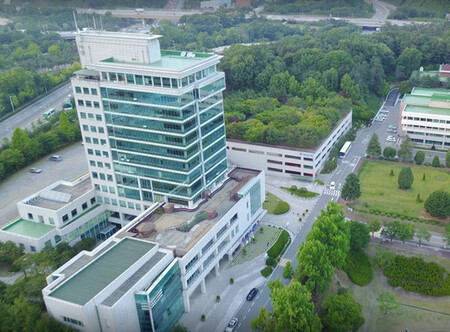
▲ 충남교육청사 전경 © 충남교육청 제공 |
충남교육청은 유아·놀이 중심 교육문화의 정착과 유아교육 공공성 강화를 목표로 한 ‘2026 충남 유아교육계획’을 수립하고, 1월 8일 도내 국·공·사립 유치원에 이를 안내한다고 밝혔다. 이번 계획은 유아교육 전반의 국가책임을 실질적으로 확장하는 데 정책의 초점을 맞췄다.
계획 수립의 기준은 교육부 제3차 유아교육발전기본계획의 방향이다. 충남교육청은 국·공·사립 유치원이 경쟁이 아닌 협력 구조 속에서 상생하도록 제도적 틀을 정비하고, 유보통합 추진을 통해 지역·유형 간 교육 격차를 완화하는 동시에 질 관리 체계를 한층 강화하겠다는 방침이다. 이는 보편적 교육권 보장과 책무성 강화를 동시에 달성하려는 정책적 선택으로 해석된다.
세부 과제는 '양질의 유아교육 기회 확대', '교육과정 및 방과후 과정의 내실화', '교원 역량 강화와 권익 증진', '미래 유아교육 인프라 구축' 등 네 축으로 구성됐다. 특히 현장의 의견을 반영한 지원 체계를 통해 유치원 운영의 행정·재정적 부담을 줄이고, 모든 유아가 차별 없이 안정적인 교육을 받을 수 있도록 여건을 정교화하는 데 무게를 실었다.
이번 계획은 교원 전문성 제고와 교육환경 개선을 병행함으로써 교육의 결과를 현장에서 체감하도록 설계된 점이 특징이다. 유아의 발달 특성을 고려한 놀이 중심 수업을 제도적으로 뒷받침하고, 방과후 과정의 질적 기준을 명확히 해 돌봄의 공공성을 강화하는 방향도 포함됐다. 이는 유아교육을 단순한 보육의 연장이 아닌, 공교육의 출발점으로 재정립하려는 시도로 평가된다.
충남교육청은 유치원 현장과의 긴밀한 협력을 통해 정책의 실행력을 높이고, 유아·교원·학부모가 변화의 효과를 직접 체감하도록 단계적 점검과 보완을 병행할 계획이다. 한복연 유아교육복지과장은 현장 기반의 정책 추진을 통해 유아의 행복한 성장을 뒷받침하고, 유아교육의 공적 책임을 지속적으로 확장하겠다는 기조를 분명히 했다.
전문가들은 이번 계획이 제도 통합과 질 관리라는 두 과제를 병렬적으로 다루며, 지역 유아교육 정책의 지속 가능성을 높이는 구조를 갖췄다고 본다. 특히 현장 의견을 정책 설계의 출발점으로 삼은 점은 실행 단계에서의 수용성을 높여, 유아교육 공공성 강화라는 목표를 안정적으로 구현하는 데 기여할 것으로 전망된다.
*아래는 위 기사를 '구글 번역'으로 번역한 영문 기사의 [전문]입니다. '구글번역'은 이해도를 높이기를 위해 노력하고 있습니다. 영문 번역에 오류가 있을 수 있음을 전제로 합니다.<*The following is [the full text] of the English article translated by 'Google Translate'. 'Google Translate' is working hard to improve understanding. It is assumed that there may be errors in the English translation.>
The Chungnam Office of Education announced the establishment of the "2026 Chungnam Early Childhood Education Plan," which aims to establish a child- and play-centered educational culture and strengthen the public nature of early childhood education. The plan announced its announcement to national, public, and private kindergartens in the province on January 8th. This plan focuses on substantially expanding national responsibility for early childhood education.
The plan's formulation is guided by the Ministry of Education's Third Basic Plan for Early Childhood Education Development. The Chungnam Office of Education aims to establish an institutional framework that fosters cooperation, not competition, among national, public, and private kindergartens. It also aims to reduce educational disparities across regions and types by promoting kindergarten integration, while further strengthening the quality management system. This policy is interpreted as a policy choice aimed at simultaneously guaranteeing universal access to education and strengthening accountability.
The specific tasks are organized into four pillars: "Expanding opportunities for quality early childhood education," "Enhancing the curriculum and after-school programs," "Strengthening teacher competencies and promoting their rights," and "Establishing a future early childhood education infrastructure." In particular, the plan focuses on reducing the administrative and financial burden of kindergarten operation through a support system that reflects feedback from the field, and on refining the conditions to ensure that all children receive a stable education without discrimination.
This plan is notable for its design that combines enhancing teacher professionalism with improving the educational environment, ensuring tangible educational outcomes. It also includes institutional support for play-centered classes that consider the developmental characteristics of young children, and clarifying quality standards for after-school programs to strengthen the public nature of care. This initiative is seen as an attempt to reestablish early childhood education as a starting point for public education, not simply an extension of childcare.
The Chungnam Office of Education plans to strengthen the policy's implementation through close collaboration with kindergartens, and to conduct phased reviews and revisions to ensure that children, teachers, and parents directly experience the impact of the changes. Han Bok-yeon, Director of the Early Childhood Education and Welfare Division, made clear the goal of supporting the happy growth of young children through field-based policy implementation and continuously expanding the public responsibility for early childhood education.
Experts believe this plan addresses both institutional integration and quality control in parallel, establishing a structure that enhances the sustainability of regional early childhood education policies. In particular, the policy design approach, which incorporates feedback from the field, is expected to increase acceptance during implementation, contributing to the stable realization of the goal of strengthening the public nature of early childhood education.
원본 기사 보기:브레이크뉴스대전세종충청