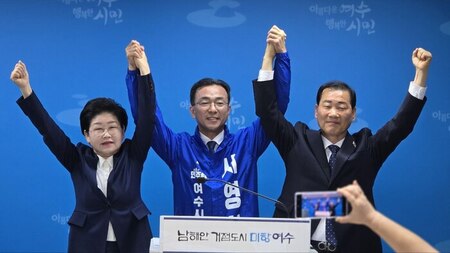
▲ 중소기업단체협의회가 2022년 최저임금에 대한 중소기업계 공동입장을 발표했다. © 중기중앙회 |
브레이크뉴스 문홍철 기자= 중소기업계가 최근 주52시간, 중대재해법, 노조법, 공휴일법 등으로 기업들이 숨을 쉬기 힘들다며, 일자리 정상화가 시급한 만큼 내년 최저임금은 지금 수준에서 유지돼야 한다는 입장을 밝혔다.
중소기업중앙회, 한국여성경제인협회, 소상공인연합회 등 14개 중소기업 단체는 5일 여의도 중소기업중앙회에서 ‘2022년 최저임금에 대한 중소기업계 입장’을 발표했다.
중소기업계는 “경기가 회복되고 있지만, 영세 중소기업과 소상공인은 아직 체감하지 못하고 있다”며 “지금도 각종 대출과 지원금으로 버티고 있는 상황에서 추가적인 인건비 부담은 기업 경영은 물론 일자리에도 악영향을 미칠 것이다”고 우려했다.
이어 “이전 정부와 인상률을 단순 비교하는 것은 코로나라는 팬데믹 상황을 고려하지 않은 것”이라며 “내년 최저임금 결정시 지금도 68.2%가 코로나 이전보다도 경영상황이 안 좋고 40%는 정상적으로 임금지급을 못하고 있는 중소기업의 실태를 반드시 반영해야한다”고 강조했다.
또한, “우리나라는 최저임금이 중위임금 대비 62.4%로 OECD 회원국 29개국중 6위이며, 평균인 54.2%보다도 높다”며 “주요 선진국에도 없는 주휴수당을 감안하면 이미 최저시급이 1만원을 넘었으며 그 격차가 더욱 크다”고 지적했다.
계속해서 “최저임금의 가파른 인상에 이은 코로나 충격으로 지난해에 11년 만에 처음 중소기업 일자리 30만개가 사라졌다”며 “이러한 상황에서 최저임금이 또 인상된다면 기업 경영은 물론이고, 어려운 일자리 사정은 더욱 어려워 질 뿐이다. 오죽하면 청년들 68%도 일자리를 걱정하면 내년도 최저임금의 동결 또는 인하를 희망하고 있겠느냐”고 덧붙였다.
마지막으로 중소기업계는 “최저임금 인상을 단언했던 미국의 바이든 행정부도 고용지표 회복을 이유로 이를 보류하고 있는 것을 눈여겨봐야 한다”며 “지금도 10개 중 4개의 중소기업이 정부 지원금으로 근근히 버티고 있다. 중소기업과 소상공인들의 절박함을 외면해서는 안 된다”고 호소했다.
아래는 위의 글을 구글번역이 번역한 영문의 <전문>이다. [Below is an English <Full text> translated by Google Translate.]
Small and medium-sized enterprises (SMEs) at the edge of the cliff, voices of freezing the minimum wage next year
-Reporter Moon Hong-cheol
Small and medium-sized enterprises (SMEs) recently said that it is difficult for companies to breathe due to the 52-hour week, the Serious Disaster Act, the Labor Union Act, and the Public Holiday Act, and the minimum wage for next year should be maintained at the current level as there is an urgent need to normalize jobs.
14 small and medium-sized enterprises (SMEs) organizations, including the Federation of Small and Medium Enterprises, the Korea Women Entrepreneurs Association, and the Federation of Small Entrepreneurs, announced their position on the minimum wage in 2022 at the Federation of Small and Medium Businesses in Yeouido on the 5th.
Small and medium-sized enterprises (SMEs) said, “Even though the economy is recovering, small and medium-sized enterprises and small business owners are not yet feeling it. did.
“The simple comparison of the rate of increase with the previous government does not take into account the pandemic situation of the corona virus,” he said. “When deciding next year’s minimum wage, 68.2% are still worse off than before the coronavirus, and 40% are not paying wages normally. It must reflect the reality of small and medium-sized enterprises (SMEs),” he emphasized.
In addition, “Korea has a minimum wage of 62.4% of the median wage, which ranks sixth among 29 OECD member countries, and is higher than the average of 54.2%. The gap is even bigger.”
He continued, “Due to the corona shock following the steep increase in the minimum wage, 300,000 jobs at SMEs disappeared for the first time in 11 years last year. It just gets harder. At worst, if 68% of young people are worried about their jobs, would they hope to freeze or cut the minimum wage next year?”
Finally, the small and medium-sized business community said, “It should be noted that the Biden administration in the United States, which promised to raise the minimum wage, is also putting it on hold because of the recovery of employment indicators. We must not turn away from the urgency of SMEs and small business owners,” he said.