|
브레이크뉴스 문홍철 기자= 올 하반기 2만3000호를 포함, 내년까지 서울에서 아파트 총 7만2000호가 신규 입주할 것으로 보인다.
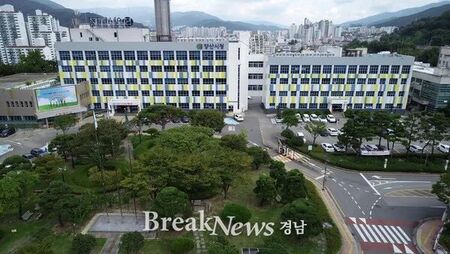
서울시는 이달 23일부터 서울시 누리집과 모바일웹 ‘서울맵’을 통해 내년 연말까지의 ‘서울 시내 아파트 입주전망’을 공개한다고 22일 밝혔다.
서울시는 지난 3월 공개한 입주전망 물량 대비 올해 총 6235호가 줄어들 것으로 예상했다. 이는 고금리와 공사비 상등 등으로 재무 여건이 악화되면서 청년안심주택(4666호) 등 비정비사업이 6개월 ~1년 정도 내년 이후로 지연됨에 따른 것으로 분석했다.
서울시는 이번 입주전망 발표를 앞두고 기관별로 상이한 정보로 인해 부동산시장에 미치는 혼란을 최소화하고자 한국부동산원 등과 상호 검증을 거쳤다.
먼저, 서울시는 올 연말까지 △정비사업 1만7000호 △비정비사업 6000호 등 총 2만3000호가 공급되고, 2025년에는 △정비사업 3만3000호 △비정비사업 1만7000호 등 총 4만9000호가 공급될 것으로 전망했다.
당초 3월 예상한 수치보다 올 하반기 입주물량은 줄었지만, 내년에는 1000호 가량 소폭 증가할 것으로 봤다. 이는 ‘비정비사업’ 분야에서 2025년→2026년 이후로 지연된 물량(4115호)보다 2024년→2025년으로 지연된 물량(5834호)이 더 많아졌기 때문인 것으로 분석된다.
그러나 비정비사업과는 달리 ‘정비사업’ 분야에서는 이번에 산정한 물량이 지난 3월과 비교해 큰 차이를 보이진 않는 것이 확인됐다.
서울시는 이번 발표가 타 기관 전망치와 약간의 차이가 나는 것은 자료를 집계할 때, 착공~준공 기간이 짧아 입주자모집공고 파악이 어려운 ‘일반건축허가 등’의 예상 물량이 과소 집계되는 것을 막기 위해 과거 실적을 토대로 추정치를 일부 반영하기 때문이라고 설명했다.
작년에는 ‘일반건축허가 등’을 과거 5년(2018~2022) 실적 평균의 60%(6000호)로 산정했으나, 실제 실적이 3627호에 그친 것을 확인, 올해는 과거 5년(2019~2023년) 평균의 50%(4000호) 수준으로 하향 조정하고 실제 입주자 모집공고로 확인한 수치와 비교해 최종 물량을 산정했다.
한편, 정비사업이 장기간 소요되는 이유는 각종 인허가를 비롯한 복잡한 행정절차의 이유도 있지만 조합의 내부적 갈등, 치솟은 공사비를 두고 대립하는 조합-시공자 간의 갈등 등이 많은 만큼, 서울시는 현재 공사 중인 정비사업장이 완공까지 중단없이 신속하게 추진되도록 ‘정비사업 갈등관리대책’을 마련, 정비사업 전 과정에 대한 갈등 해결에 적극 나서고 있다.
한병용 서울시 주택실장은 “그동안 기관별로 다른 정보로 부동산시장에 끼치는 영향을 최소화하고자 공신력 있는 기관과의 상호 검증 작업을 추가했다”며 “앞으로도 시민에게 실질적으로 필요하고 도움 되는 입주전망 정보를 제공하기 위해 노력해 나가겠다”고 말했다.
break9874@naver.com
*아래는 위 기사를 '구글 번역'으로 번역한 영문 기사의 [전문]입니다. '구글번역'은 이해도 높이기를 위해 노력하고 있습니다. 영문 번역에 오류가 있을 수 있음을 전제로 합니다.<*The following is [the full text] of the English article translated by 'Google Translate'. 'Google Translate' is working hard to improve understanding. It is assumed that there may be errors in the English translation.>
Seoul City, Seoul Apartment Expected to Move in 72,000 Units by Next Year... 6,235 Units Decrease in Second Half
It is expected that a total of 72,000 apartments will be newly occupied in Seoul by next year, including 23,000 in the second half of this year.
On the 22nd, the Seoul Metropolitan Government announced that it will release the ‘Seoul City Apartment Occupancy Forecast’ until the end of next year through the Seoul Metropolitan Government website and mobile web ‘Seoul Map’ starting on the 23rd of this month.
The Seoul Metropolitan Government predicted that the total number of occupancy forecasts released in March will decrease by 6,235 this year. This is because the non-redevelopment projects such as the Youth Safety Housing (4,666 units) have been delayed by 6 months to 1 year to next year due to worsening financial conditions caused by high interest rates and high construction costs.
The Seoul Metropolitan Government conducted mutual verification with the Korea Real Estate Board and others in advance of this occupancy forecast announcement to minimize the confusion in the real estate market caused by different information from each organization.
First, Seoul City forecasted that a total of 23,000 units will be supplied by the end of this year, including 17,000 units in redevelopment projects and 6,000 units in non-redevelopment projects, and a total of 49,000 units will be supplied in 2025, including 33,000 units in redevelopment projects and 17,000 units in non-redevelopment projects.
The number of units to move in in the second half of this year decreased compared to the figure initially forecasted in March, but it is expected to increase slightly by about 1,000 units next year. This is analyzed to be because the number of units delayed from 2024 to 2025 (5,834 units) is greater than the number of units delayed from 2025 to 2026 (4,115 units) in the ‘non-redevelopment project’ sector.
However, unlike the non-redevelopment project sector, it was confirmed that the number of units estimated this time did not differ significantly from the number in March.
The Seoul Metropolitan Government explained that the reason this announcement differs slightly from the forecasts of other organizations is because, when compiling data, it partially reflects estimates based on past performance in order to prevent undercounting of the expected volume of ‘general building permits, etc.’, which have a short construction-commencement period and are difficult to understand through resident recruitment notices.
Last year, ‘general building permits, etc.’ were estimated to be 60% (6,000 units) of the average performance over the past five years (2018-2022), but when it was confirmed that the actual performance was only 3,627 units, this year, it was adjusted downward to 50% (4,000 units) of the average over the past five years (2019-2023) and the final volume was calculated by comparing it with the actual figures confirmed through resident recruitment notices.
Meanwhile, the reason why the redevelopment project takes a long time is due to the complicated administrative procedures including various permits and licenses, but also internal conflicts within the association, conflicts between the association and the contractor over the soaring construction costs, and so on. Therefore, the Seoul Metropolitan Government is actively working to resolve conflicts throughout the entire redevelopment project process by establishing a ‘redevelopment project conflict management plan’ so that the redevelopment project currently under construction can proceed quickly without interruption until completion.
Han Byeong-yong, head of the Seoul Metropolitan Government Housing Office, said, “In order to minimize the impact on the real estate market due to different information from each agency, we have added mutual verification work with credible agencies,” and “We will continue to work to provide citizens with information on the prospect of moving in that is practically necessary and helpful.”