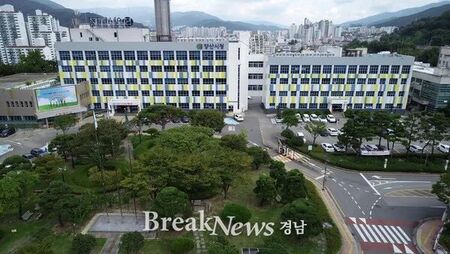
▲ 광양시청 전경 |
광양시는 8일 교육, 교통, 재난 등 다양한 도시문제를 해결하기 위해 수립한 '광양시 스마트도시계획'이 국토교통부 승인을 받았다고 밝혔다.
광양시에 따르면 '스마트도시'란 인공지능(AI), 사물인터넷(IoT), 클라우드, 빅데이터, 가상현실(VR) 등 첨단기술을 활용해 도시문제를 해결하고 삶의 질을 향상시키는 도시를 의미하며 이러한 기술이 도시 인프라와 결합돼 융·복합적 서비스를 제공하는 것이 핵심이다.
이번에 승인을 받은 광양시 스마트도시계획은 2025년부터 2029년까지의 중장기 로드맵으로, 2023년까지 5년 동안 추진된 기존 스마트도시계획을 한층 더 구체화하고 실효성을 높인 것이 특징이다.
광양시는 이번 계획에 따라 AI스마트아이키움 플랫폼을 연내 확대 구축해 교육권 보장과 디지털 격차 해소에 나설 예정이다.
또 최근 정식 운영을 시작한 ‘MY광양’ 앱을 기반으로 AI 민원 챗봇 도입, 스마트공원 조성, CCTV 지능형 관제 시스템 도입 등 15개 세부 사업을 단계적으로 추진할 계획이다.
이은미 광양시 디지털정보과장은 "스마트도시계획 승인을 통해 우리 시 스마트도시의 비전과 중장기 계획을 마련했을 뿐만 아니라 각 부처의 스마트도시 구축 지원 공모사업 응모에도 발 빠르게 대처할 수 있게 됐다"며 "시민들의 생활 전반에 4차 산업기술을 접목한 서비스를 제공해 시민이 행복한 스마트도시 광양을 조성해 나가는 데 최선을 다하겠다"고 밝혔다.
[아래는 구글로 번역한 영문기사 전문입니다. 영문번역에 오류가 있을 수 있음을 전제로 합니다. Below is the full English article translated by Google. It is assumed that there may be errors in the English translation.]
Gwangyang City announced on the 8th that the ‘Gwangyang City Smart City Plan’ established to solve various urban problems such as education, transportation, and disasters has been approved by the Ministry of Land, Infrastructure, and Transport.
According to Gwangyang City, a ‘smart city’ refers to a city that uses cutting-edge technologies such as artificial intelligence (AI), the Internet of Things (IoT), cloud, big data, and virtual reality (VR) to solve urban problems and improve the quality of life, and the key is that these technologies are combined with urban infrastructure to provide convergent and complex services.
The Gwangyang City Smart City Plan, which was approved this time, is a mid- to long-term roadmap from 2025 to 2029, and is characterized by further specifying and enhancing the effectiveness of the existing smart city plan that was promoted for five years until 2023.
According to this plan, Gwangyang City plans to expand and build the AI Smart I-Kium platform within the year to guarantee the right to education and resolve the digital divide.
In addition, based on the ‘MY Gwangyang’ app that recently began official operation, we plan to gradually promote 15 detailed projects, including the introduction of an AI civil complaint chatbot, the creation of a smart park, and the introduction of a CCTV intelligent control system.
Lee Eun-mi, head of the Digital Information Division of Gwangyang City, said, “With this approval of the smart city plan, we have not only established a vision and mid- to long-term plan for our city’s smart city, but we have also been able to respond quickly to applications for smart city construction support projects from each ministry.” She added, “We will do our best to create a smart city of Gwangyang where citizens are happy by providing services that incorporate 4th industrial technology into all aspects of their lives.”
원본 기사 보기:브레이크뉴스전남동부