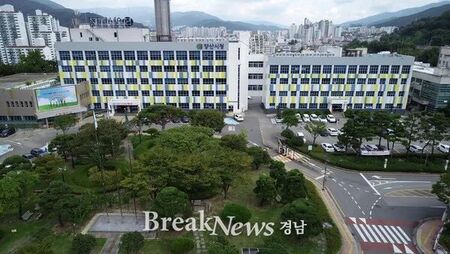
▲ 충남 아산시는 첨단기술 중심의 '스마트 농업'으로의 전환을 위해 농업기술센터 농업기술과 내 '스마트농업팀'을 신설했다고 13일 밝혔다. © 아산시 제공 |
충남 아산시(시장 오세현)가 4차 산업혁명 시대에 발맞춰 농업의 패러다임을 ‘기술 중심’으로 전환하는 본격적인 행보에 나섰다. 시는 최근 농업기술센터 내에 ‘스마트농업팀’을 신설하고, 정보통신기술(ICT)을 활용한 정밀농업과 디지털 기반의 미래 농업체계 구축에 속도를 높이고 있다.
신설된 스마트농업팀은 ‘아산형 스마트팜’ 기반 조성, 스마트농업 전문 인력 양성 및 창업 지원, 쪽파 스마트팜 확대 등 세 가지 핵심 사업을 중심으로 운영된다. 자동화 농업시설 보급, 작물별 빅데이터 활용, 드론·로봇 농기계 도입 등 디지털농업 전반을 총괄하며, 아산 농업의 체질 개선에 중심축 역할을 맡는다.
핵심 사업 중 하나인 ‘아산형 스마트팜 기반 조성사업’은 오는 2026년까지 총 150억 원을 투입해 8.6ha 규모의 스마트팜 단지 7곳을 조성하는 대규모 프로젝트다.
이 가운데 염치읍 염성리 317번지 일원에 조성되는 ‘임대형 복합 스마트팜’은 내년 말 준공을 목표로 진행 중이다. 약 2.2ha 규모의 시설에서 청년 농업인 12명이 스마트온실, 양액재배, 환경제어 시스템 등을 활용해 딸기·쌈채소·쪽파 등을 재배하게 되며, 시는 이들이 연간 약 8,000만 원의 농업소득을 창출할 것으로 기대하고 있다.
아산시는 농업 인재 양성에도 박차를 가하고 있다. 시는 2024~2025년까지 9억2,500만 원을 투입해 ‘충남형 스마트팜 사관학교’를 조성하고, 실습 중심의 단계별 교육 플랫폼을 본격 가동 중이다.
해당 사관학교는 전국 최초 수직형 쌈채소 재배시스템과 국내 유일 연중생산 쪽파 수경재배 시스템 등 4종류의 테스트베드를 갖추고 있으며, 실습형(4개월)과 교육형(1년) 과정을 통해 연간 50명의 스마트농업 전문 인력을 배출할 계획이다.
아산시의 대표 특화작목인 ‘쪽파’ 생산도 스마트농업을 통해 새로운 전환점을 맞고 있다. 여름철 이상기온 등으로 인해 노지 재배의 한계가 뚜렷해진 가운데, 시는 고온기에도 안정적인 생산이 가능한 양액 기반 수경재배 방식으로 방향을 전환하고 있다.
양액재배는 연중 6~7작기 운영이 가능하며, 기존 대비 약 2.8배의 소득 증대와 함께 노동 효율성도 50% 이상 향상되는 것으로 나타났다. 아산시는 지난해 시험 재배 1개소를 시작으로 올해 8개소까지 확대해 현재 1ha 규모의 쪽파 스마트팜을 운영 중이며, 2028년까지 총 6ha(50개소)로 단계적 확장을 추진하고 있다.
이러한 아산시의 스마트농업 모델은 국내 타 지방자치단체는 물론, 인도네시아·몽골·베트남 등 해외에서도 벤치마킹 사례로 주목받고 있다.
스마트농업팀은 향후 농업인의 기술 수용성 향상과 현장 경쟁력 강화를 위한 다양한 교육과 실습 중심의 컨설팅을 확대할 방침이다. 아울러 청년농 및 귀농·귀촌인을 대상으로 한 입문 교육과 스마트장비 활용 연계 시범사업 등을 통해 실질적 정착을 지원할 계획이다.
오세현 아산시장은 “기존의 경험 중심 농업에서 데이터와 기술 기반의 농업으로 전환이 필요한 시점”이라며 “스마트농업팀은 아산 농업의 체질 개선은 물론, 청년이 돌아오는 농촌을 만들기 위한 마중물 역할을 할 것으로 기대한다”이라고 강조했다.
*아래는 위 기사를 '구글 번역'으로 번역한 영문 기사의 [전문]입니다. '구글번역'은 이해도를 높이기를 위해 노력하고 있습니다. 영문 번역에 오류가 있을 수 있음을 전제로 합니다.<*The following is [the full text] of the English article translated by 'Google Translate'. 'Google Translate' is working hard to improve understanding. It is assumed that there may be errors in the English translation.>
Asan City, South Chungcheong Province (Mayor Oh Se-hyun) has taken full-fledged steps to shift the paradigm of agriculture to ‘technology-centered’ in line with the era of the 4th Industrial Revolution. The city recently established a ‘Smart Agriculture Team’ within the Agricultural Technology Center and is accelerating the establishment of a future agricultural system based on precision agriculture and digital technology (ICT).
The newly established Smart Agriculture Team will operate around three core projects: establishing the foundation for ‘Asan-type smart farms’, fostering smart agriculture professionals and supporting startups, and expanding green onion smart farms. It will oversee the overall digital agriculture, including the distribution of automated agricultural facilities, utilization of big data by crop, and introduction of drones and robotic agricultural machinery, and will play a central role in improving the constitution of Asan agriculture.
One of the core projects, the ‘Asan-type smart farm foundation establishment project’, is a large-scale project that will invest a total of 15 billion won by 2026 to establish seven smart farm complexes with an area of 8.6 ha.
Among these, the ‘Rental Complex Smart Farm’ being built in Yeomseong-ri, Yeomchi-eup, 317, is underway with the goal of completion by the end of next year. In a facility measuring approximately 2.2 ha, 12 young farmers will use smart greenhouses, hydroponic cultivation, and environmental control systems to grow strawberries, lettuce, and green onions, and the city expects them to generate about 80 million won in agricultural income annually.
Asan City is also spurring the development of agricultural talent. The city is investing 925 million won from 2024 to 2025 to build a ‘Chungnam-type Smart Farm Officers’ Academy, and is currently operating a step-by-step education platform centered on practice.
The officer’s academy has four types of test beds, including the nation’s first vertical lettuce cultivation system and the nation’s only year-round green onion hydroponic cultivation system, and plans to produce 50 smart agriculture experts annually through practice-type (4 months) and education-type (1 year) courses.
Asan City's representative specialty crop, 'green onion' production, is also facing a new turning point through smart agriculture. As the limitations of field cultivation have become clear due to abnormal summer temperatures, the city is changing direction to a hydroponic cultivation method based on nutrient solutions that can produce stable production even in high temperatures.
Hydroponic cultivation can be operated 6 to 7 times a year, and it has been shown to increase income by about 2.8 times compared to the past, and improve labor efficiency by more than 50%. Asan City is currently operating a 1ha green onion smart farm, starting with one test cultivation site last year and expanding to eight sites this year, and is promoting gradual expansion to a total of 6ha (50 sites) by 2028.
Asan City's smart agriculture model is receiving attention as a benchmarking case not only in other local governments in Korea, but also in overseas countries such as Indonesia, Mongolia, and Vietnam.
The Smart Agriculture Team plans to expand various education and practice-centered consulting to improve farmers’ technology acceptance and enhance their on-site competitiveness in the future. In addition, it plans to support practical settlement through introductory education for young farmers and those returning to farming and rural areas, as well as pilot projects linking the use of smart equipment.
Asan Mayor Oh Se-hyun emphasized, “It is time to transition from the existing experience-centered agriculture to data and technology-based agriculture,” and “The Smart Agriculture Team is expected to play a leading role in improving the constitution of Asan agriculture and creating a rural area where young people can return.”
원본 기사 보기:브레이크뉴스대전세종충청