▲필자/권기식 칼럼니스트. ©브레이크뉴스 |
요즘 국제 관계를 보면 '영원한 적도 영원한 친구도 없다'는 말이 실감난다. 미국의 트럼프 2기 정부 출범 이후 요동치는 국제 정세속에서 극단적인 미국 우선주의에 세계가 고통받고 있다.
우선 지난 9월4일(현지 시간) 벌어진 미(美) 이민당국의 한국인 집단체포 사태를 들 수 있다. 미국에 투자하라고 해서 투자한 기업의 기술자들에 대해 군사작전과 같은 체포작전을 벌인 것은 동맹에 대한 최소한의 배려도 없는 야만적 행위였다. 한국은 돈 주고 뺨을 맞았다. 세계 어느 나라도 투자자를 이렇게 대하는 나라는 없다. 미국의 유력 언론인 워싱턴포스트(WP)는 8일(현지 시간) 미국 조지아주 현대차그룹-LG에너지솔루션 합작 배터리 공장 건설 현장에서 한국인 직원들이 대거 구금되면서 한국 사회에 충격과 분노가 확산하고 있다고 보도했다. WP는 이날 서울발 기사를 통해 미국의 안보 동맹국인 한국은 이번 사태를 동맹 정신에 어긋나는 "특이하고, 충동적이며, 모순적인" 행동으로 간주하고 있다며, 우방 미국을 향한 격앙된 여론을 조명했다. 한국은 불과 몇 달 전 트럼프 행정부와의 관세 협상 결과 3500억달러 규모의 대미 투자 패키지를 약속한 직후라 충격파가 더 크다고 지적했다. 그러나 트럼프 대통령은 이에 대해 사과도 유감 표명도 없었다. 미국 이민세관단속국(ICE)이 할 일을 했을 뿐이라는 반응이다. 내년 중간선거를 의식해 불법이민에 대해 강경한 모습을 보이려는 것으로 보인다.
이제 한국을 포함한 대미 투자국들은 자금 조달은 물론 불법 이민 단속까지 신경을 써야하는 난처한 처지에 놓였다. 투자 의욕이 꺾이고 자존심이 상하는 일이 아닐 수 없다.
반면 중국의 글로벌 거버넌스의 영향력은 갈수록 커지고 있다. 미국의 관세전쟁과 일방주의에 지친 국가들이 속속 중국과의 연대에 동참하고 있는 것이다. 가장 대표적인 경우가 인도이다. 인도는 전통적으로 반중친미 외교노선을 걸어온 국가이다. 하지만 트럼프가 러시아산 원유 수입을 문제 삼아 인도에 대해 징벌적 관세를 부과하자 모디 총리가 크게 반발하고 있다. 모디 총리는 지난 8월말 톈진(天津)에서 열린 상하이협력기구(SCO) 정상회의에 참석했다. SCO는 중국과 러시아가 지난 2001년 카자흐스탄·우즈베키스탄·타지키스탄·키르기스스탄 등 중앙아시아 4개국과 함께 만든 다자 협의체로, 2017년 인도·파키스탄, 2023년 이란, 2024년 벨라루스 등이 추가로 들어오면서 현재는 회원국이 10개국으로 늘었다. 중국이 명실상부하게 미국의 일방주의에 맞서는 글로벌사우스 다자주의 연대의 중심국이 된 것이다.
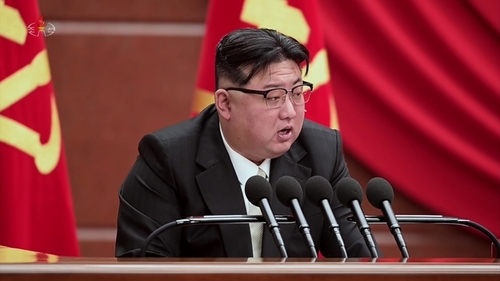
시진핑 중국 주석은 지난 3일 중국 베이징에서 열린 전승절 80주년 열병식에 김정은 북한 국무위원장, 블라디미르 푸틴 러시아 대통령을 불러 모으며 '반서방 연대' 좌장의 입지를 과시했다. 북·중·러 정상이 한자리에 모인 것은 냉전시대인 1959년 이후 66년 만이다. 이날 열병식에는 26개국 정상이 참석해 중국 중심의 다자주의 연대를 보여주었다.
구소련 붕괴 이후 통합으로 가던 국제 질서가 일방주의와 다자주의의 대결 구도가 된 것은 미국의 책임이 크다고 할 수 있다. 동맹이든 경쟁국가이든 예외없이 고관세를 부과하고 미국에 대한 진입 장벽을 높이는 것은 자유주의 이민국가인 미국의 가치에 어긋난다. 미국은 돈은 얻었을지 모르나 세계인의 존경은 잃었다. 미국이 건국 정신, 헌법 정신으로 돌아가기 바란다.
*필자/권기식
한중도시우호협회장. 서울미디어대학원대학교 석좌교수.
*아래는 위 기사를 '구글 번역'으로 번역한 영문 기사의 [전문]입니다. '구글번역'은 이해도 높이기를 위해 노력하고 있습니다. 영문 번역에 오류가 있을 수 있음을 전제로 합니다.<*The following is [the full text] of the English article translated by 'Google Translate'. 'Google Translate' is working hard to improve understanding. It is assumed that there may be errors in the English translation.>
China Wins, America Loses
- Kwon Ki-sik, Columnist
Looking at international relations today, the saying "there are no eternal enemies or eternal friends" rings true. Since the inauguration of the second Trump administration, the world has suffered from extreme America First policies amidst the turbulent international situation.
First, consider the mass arrests of Koreans by US immigration authorities on September 4th (local time). They conducted a military-like arrest operation against engineers from companies that had invested in the US, simply because they had been asked to do so. This was a barbaric act that showed no respect for allies. Korea paid a bribe and got slapped in the face. No other country in the world treats investors this way. The influential US media outlet The Washington Post reported on the 8th (local time) that the detention of a large number of Korean employees at the construction site of a joint battery plant between Hyundai Motor Group and LG Energy Solution in Georgia has sparked widespread shock and anger in South Korea. The Washington Post, in a Seoul-based article that day, highlighted the angry public opinion toward the United States, noting that South Korea, a US security ally, views this incident as an "unusual, impulsive, and contradictory" act that runs counter to the spirit of the alliance. The paper noted that the shockwave was even greater because South Korea had just promised a $350 billion investment package to the US as a result of tariff negotiations with the Trump administration just months earlier. However, President Trump offered no apology or regret, responding that US Immigration and Customs Enforcement (ICE) was simply doing its job. It appears that Trump is attempting to assert a tough stance on illegal immigration in anticipation of next year's midterm elections.
Now, countries investing in the US, including South Korea, are in the awkward position of having to worry about both securing funds and cracking down on illegal immigration. This is bound to dampen investment motivation and hurt pride.
Conversely, China's influence in global governance is growing. Countries weary of the US's tariff war and unilateralism are increasingly joining in solidarity with China. India is a prime example. India has traditionally pursued an anti-China, pro-US diplomatic stance. However, Prime Minister Modi has strongly objected to Trump's decision to impose punitive tariffs on India over its imports of Russian crude oil. Prime Minister Modi attended the Shanghai Cooperation Organization (SCO) summit in Tianjin in late August. The SCO is a multilateral organization established in 2001 by China and Russia, along with four Central Asian countries: Kazakhstan, Uzbekistan, Tajikistan, and Kyrgyzstan. With the addition of India and Pakistan in 2017, Iran in 2023, and Belarus in 2024, the membership has now grown to ten. China has become a true and central figure in the Global South multilateral alliance, countering US unilateralism.
On March 3rd, Chinese President Xi Jinping hosted the 80th anniversary military parade in Beijing, China, marking the end of World War II, inviting North Korean leader Kim Jong-un and Russian President Vladimir Putin, demonstrating his position as the leader of an "anti-Western alliance." This marked the first time the leaders of North Korea, China, and Russia gathered in one place in 66 years, since 1959 during the Cold War. The parade was attended by leaders of 26 countries, demonstrating a China-centered multilateral solidarity.
The United States bears significant responsibility for the shift from a post-Soviet international order toward integration to a confrontation between unilateralism and multilateralism. Imposing high tariffs and raising barriers to entry for allies and competitors alike runs counter to the values of the United States as a liberal, immigrant nation. The United States may have gained money, but it has lost the respect of the world. We hope the United States will return to its founding principles and the spirit of its Constitution.
*Author: Kwon Ki-sik
President of the Korea-China City Friendship Association and Distinguished Professor at Seoul University of Media and Communication.