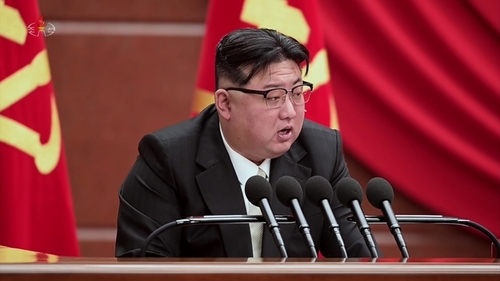
▲ 이재명 대통령이 지난 9월11일 오전 청와대 영빈관에서 열린 취임 100일 기자회견에서 발언하고 있다 ©뉴시스 |
지난 9월11일, 이재명 대통령이 취임 100일 기자회견은 가졌다. 취임 100일 회견에서 이재명 대통령이 쏟아낸 말의 양은 단연 역대 최고치일 것으로 생각된다. 대통령도 국민 앞에 회견을 하려면 실력과 말주변, 그리고 성격(무대체질) 여부에 따라 크게 달라진다. 대개 점심시간까지 1시간의 여유만을 두고 11시에 시작하는 대통령은 자신감이 별로다, 문재인, 박근혜, 윤석열 등이 이에 해당한다. 더듬거리다가 적당히 끝낸다. 노무현도 말주변이라 하면 누구에도 지지 않았으나 아예 그 자체에 재미까지 갖고 엔조이 경지에 들어간 경우는 이번 이재명 대통령인 듯하다. 실로 말을 많이 쏟아냈으니 말로 인해 말인가 하노라를 증명했다.
그러다 보니 듣는 국민을 지루하게 했으며 실력이 모자란 부분도 아는 척하여 결국 에러가 뽀록나게 된 케이스다. 그리하여 안 하는 거만도 못한 말을 쏟아내 스스로 화를 부를 가능성이 몇대목 부각되기 시작했다. 국정에 큰 부담이다. 하필 회견을 한날 미국이 조지아주 한국배터리공장 근로자 300여명이 구금된 사건이 진행되고 있어 국민감정이 격앙되고 관세협상에서 일본은 해결됐는데 한국은 결론이 안나 답답하던 차였다.
기자질문이 이 문제에 이르자 이재명 대통령은 "대미 직접투자에 영향을 미칠 수 있다"면서 "관세협상은 표면에 드러난 것 들은 거칠고 과격하고 불합리하고 비상식적"이라고 사실상 트럼프 스타일을 공격했다. "국익에 반해 어떤 이면합의도 없을 것"이라고 감정적으로 쏟아냈다.
당장 회견 다음날 미국 러트닉 상무장관이 한국의 관세는 15%합의를 파기하고 25%로 되돌려 놓을 것 같은 격앙된 반응을 불러들인 꼴이다. 엊그제 한미정상회담에서 환하게 웃는 장면은 사진용이라는 걸 고백한 셈이며 향후 UN총회에서 조우할 때는 다소 어색해질 여지를 남겼다.
천하의 달변 이대통령은 "내란특별재판부 설치가 위헌 아니냐"는 기자질문에도 거침없이 달려나갔다. "3권 분립은 사법부 맘대로 하는 게 아니고 국민주권의지에 종속되는 것이다. 권력에도 서열이 있다. 최고 권력은 직접선거로 선출된 권력(대통령, 국회의원이 최고라는 뜻)이다.
(대법원장 대법관처럼) 임명된 권력은 2차적으로 다시 나눠 받은 것일 뿐이다. 국회는 가장 직접적으로 권한이 있고 입법부 설정한 구조 속에서 사법부도 헌법과 양심에 따라 하는 것이지 사법부 맘대로 정하는게 아니다., 그런데 이게 깨지고 있다. 한국은 사법국가가 돼 있다. 정치가 사법에 종속됐다. 정치검찰 때문에 나라가 망할뻔 했다. 비상계엄도 사법 권력에 의해 처리됐다. 국민의 시각에서 봐야한다. 국민이 요구하는 시스템이라면 내란특별재판부가 왜 위헌이냐".....이 발언도 너무 나갔다. 국민이 제 손으로 뽑는 선출권력도 있지만 헌법도 국민 손으로 투표하여 OK한 최고의 권력 지형도이다. 국민의 합의투표에 의해 헌법이 3권 분립을 정해서 법관독립을 보장한 것이다. 이재명 대통령은 이 부분을 지나치게 대통령 민주당에 유리하게 해석해 온 나라가 시끄러워지고 있다. 전국법관 마라톤회의가 열리기에 이르렀다.
경제 분야에서는 AI혁명시대에 전력수요가 급증하는데 원전을 짓는데 10~15년이 걸리니까 2~3년 걸리는 태양광 풍력, 즉 신재생에너지가 답이라고 강변했다. 실제로 원전 건설에는 대략 7년이 걸리며 풍력도 9년 이상 걸리기도 한다. 그보다도 전력의 안정성과 세계시장 개척 면에서 원전이 탁월한데 한국의 장점을 내다버리는 입장을 취했다. 향후 산업계가 시끄러울 여지를 남겼다.
국가부채는 내년 100조원 늘리더라도 돈 을 더 많이 벌면 되지 않느냐. OECD선진국 부채비율은 100%가 보통인데 한국은 절반밖에 안되니 괜찮다는 투로 정리했다. 이 역시 부채 이론을 잘 모르고 하는 박학다식의 실례로 많은 도전을 받을 것이다.
 ▲필자/ 김세형 언론인. ©김세형 페이스북 |
재정정책은 불황이 코로나19때처럼 일시적이고 경제가 구조적으로 취약하지 않을 경우에 동원하는 것이며 일본처럼 취약한 경제를 재정투입 만으로만 의존하면 부채비율 260%로 죽음에 이르는 병에 걸리게 되는 것이다. 대통령의 회견은 묻는 것을 중심으로 답하게 돼 있어,AI에게처럼 좋은 질문을 해야 좋은 답을 얻는다. 좋은 질문은 좋은 기자. 즉 A급 언론사 기자에게서 나온다. 그래서 백악관도 유력언론의 기자에게 우선 질문권을 준다. 강유정 사회자는 그냥 단순하게. 미국의 백악관 모델대로 하면 된다.
기자가 물으면 대통령이 틀린 주장을 계속하지 못하도록 보충 질의권을 줘야한다. 대통령의 답변도 가급적 5분이내로 끝내는 절제가 필요하다. 말이 늘어지고 많아지면 실수는 필히 따르고 설화는 득달같이 찾아온다. 100일 회견은 한미 간, 정치-사법체제 간 갈등화근을 남겼다.
*필자/김세형 언론인.
President Lee Jae-myung's 100th-day press conference... "Did he end up causing trouble?"
"The 100-day press conference left a root of conflict between South Korea and the US, and between the political and judicial systems!"
- Journalist Kim Se-hyung
On September 11th, President Lee Jae-myung held a press conference marking his 100th day in office. The sheer volume of words he unleashed at his 100th-day press conference was undoubtedly the most voluminous in history. Even presidents who hold press conferences in front of the nation vary greatly depending on their skills, eloquence, and personality (stage personality). Presidents who begin their press conferences at 11 a.m., leaving only an hour before lunch, typically lack confidence. Moon Jae-in, Park Geun-hye, and Yoon Seok-yeol fall into this category. They stumble and then end their speeches. Roh Moo-hyun was unrivaled in his eloquence, but it seems that President Lee Jae-myung has reached a point where he enjoys the moment itself. He spoke so much, proving that words are just words.
As a result, he bored the public, and by feigning knowledge of his shortcomings, his errors were ultimately exposed. Consequently, the possibility of his own anger, which was worse than arrogant nonsense, began to surface. This was a significant burden on state affairs. The press conference took place on the same day that the US was detaining approximately 300 workers at a Korean battery plant in Georgia, fueling public sentiment. While Japan's tariff negotiations had been resolved, South Korea was frustrated by the lack of a conclusion.
When reporters questioned him, President Lee Jae-myung attacked Trump's style, saying, "It could impact direct investment in the US," and that "the tariff negotiations, as they appear on the surface, are rough, radical, unreasonable, and irrational." He then emotionally declared, "There will be no secret agreements that are against the national interest." The press conference immediately sparked an angry response, with US Commerce Secretary Rutnick suggesting he would scrap the 15% tariff agreement and revert it to 25% the very next day. The bright smiles at the South Korea-US summit two days ago were a mere photo opportunity, leaving room for awkwardness when they meet again at the UN General Assembly.
President Lee, known for his eloquence, even boldly addressed a reporter's question about whether the establishment of a special court for internal strife was unconstitutional. "The separation of powers is not something the judiciary can do at will, but is subordinate to the sovereign will of the people. There is a hierarchy of power. The highest power is that directly elected (meaning the president and members of the National Assembly are the highest). Appointed power (like the Chief Justice and Justices of the Supreme Court) is merely a secondary distribution. The National Assembly holds the most direct authority, and within the structure established by the legislature, the judiciary also acts according to the Constitution and its conscience, not at will. However, this is being broken. Korea has become a judicial state. Politics has become subordinate to the judiciary. The country almost collapsed due to political prosecution. Martial law was also handled by the judiciary. We must look at it from the perspective of the people. If it is the system the people demand, why is the special court for internal strife unconstitutional?"..... This statement is too far. While there is an elected power that the people themselves choose, the Constitution is also the highest power structure approved by the people through a vote of consent. The Constitution established the separation of powers through a popular vote, guaranteeing judicial independence. President Lee Jae-myung's interpretation of this issue has been excessively favorable to his Democratic Party, sparking a nationwide uproar. A marathon meeting of judges across the country has even been held.
On the economic front, he asserted that the AI revolution will bring a surge in electricity demand, but since it takes 10-15 years to build a nuclear power plant, renewable energy sources like solar and wind, which take 2-3 years, are the answer. In reality, nuclear power plants take approximately 7 years to build, and wind power can take more than 9 years. Furthermore, nuclear power excels in power stability and global market development, yet he has taken the position of discarding Korea's strengths. This has left room for future controversy within the industry.
He argued that even if the national debt increases by 100 trillion won next year, it would be enough to earn more money. While OECD advanced countries typically have a debt ratio of 100%, Korea's is only half that, suggesting it's acceptable. This, too, is an example of erroneous knowledge based on a lack of understanding of debt theory, and will likely be challenged.
Fiscal policy is used when a recession is temporary, like the COVID-19 pandemic, and the economy isn't structurally vulnerable. Relying solely on fiscal spending for a vulnerable economy like Japan's will lead to a debt ratio of 260% and a fatal disease. Presidential press conferences are structured around questions and answers. To get good answers, you need to ask good questions, just like with AI. Good questions come from good reporters—namely, reporters from A-list media outlets. Therefore, the White House grants priority questions to reporters from influential media outlets. Moderator Kang Yoo-jung simply stated, "Follow the White House model in the US."
When reporters ask questions, the president should be given the right to ask follow-up questions to prevent him from continuing with false claims. The president's answers should also be kept to a minimum of five minutes. Long, drawn-out speeches inevitably lead to mistakes and fallacies. The 100-day press conference left a source of conflict between South Korea and the US, and between the political and judicial systems.
*Author/Journalist Kim Se-hyung.