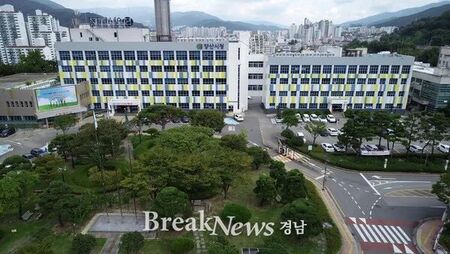
【브레이크뉴스 경주】박희경 기자=경주시는 경제적 형편 때문에 병원 진료를 미루는 시민이 없도록 하기 위해 올해 ‘저소득·취약계층 의료비 지원사업’을 적극 추진하고 있다고 15일 밝혔다.
 ▲ 주낙영 경주시장이 어르신과 반갑게 인사하며 복지 현장의 목소리를 청취하고 있는 모습. © 경주시 |
시는 총 72억720만 원을 투입해 2만1,000여 명에게 의료비를 지원할 계획이다. 지원 사업은 ▲의료급여수급자 의료비 지원 ▲저소득층 건강보험료 지원 ▲긴급복지 의료지원 ▲기관 간 협력사업 등 네 가지로 나뉜다.
이 가운데 의료급여수급자 의료비 지원은 1만7,000여 명을 대상으로 한다. 1종 수급자는 병·의원 외래 진료 시 1,000∼2,000원, 약국 이용 시 500원만 부담하면 되고, 2종 수급자는 입원비의 10%, 외래 진료비의 15%만 부담하면 된다.
저소득층 건강보험료 지원 사업은 2,800여 세대가 대상이다. 보건복지부 고시 기준 최저보험료(2만2,340원) 이하 세대 가운데 노인, 장애인, 한부모가정, 국가유공자, 희귀·만성질환자 등에게 1인당 연간 25만∼45만 원의 보험료를 대신 납부해 준다. 지원금은 국민건강보험공단을 통해 지급된다.
또한 긴급복지 의료지원사업은 갑작스러운 질병으로 치료비를 감당하기 어려운 중위소득 75% 이하 시민에게 최대 300만 원까지 의료비를 지원하는 제도다. 국비 80%, 도비 10%, 시비 10%로 예산을 구성해 매년 약 300세대가 도움을 받고 있다.
경주시는 병원비 부담이 큰 저소득층을 위해 국민건강보험공단, 사회복지공동모금회 등 외부 기관과 협력해 차상위계층이나 재난적 의료비 지원 대상자에게 비급여 항목과 본인부담금 일부를 추가로 지원하고 있다.
지난해에는 약 1만2,500명이 이 사업을 통해 59억5,100만 원의 의료비를 지원받았으며, 올해 상반기에도 8,800여 명이 43억1,600만 원을 지원받았다.
시는 제도에 대한 정보 부족이나 복잡한 절차로 인해 지원을 받지 못하는 시민이 없도록, 의료기관 홍보와 방문상담, 건강조사 등을 강화해 의료 사각지대 발굴에 나설 방침이다.
주낙영 경주시장은 “경제적 어려움 때문에 치료를 포기하는 시민이 단 한 명도 없도록 하겠다”며 “읍면동, 의료기관, 민간단체가 함께 힘을 모아 의료 사각지대를 끝까지 찾아내겠다”고 말했다.
<구글 번역으로 번역한 영문 기사의 전문 입니다. 번역에 오류가 있을 수 있음을 밝힙니다.>
Gyeongju City to Provide 7.2 Billion Won in Medical Expenses for Low-Income and Vulnerable Residents... "No Citizens Forgo Treatment for Financial Reasons"
Gyeongju City announced on the 15th that it is actively promoting the "Medical Expense Support Project for Low-Income and Vulnerable Residents" this year to ensure that no citizen delays medical care due to financial constraints.
The city plans to invest a total of 7.272 billion won to provide medical expenses support to approximately 21,000 individuals. The support program is divided into four areas: ▲Medical Expense Support for Medical Aid Recipients, ▲Health Insurance Premium Support for Low-Income Residents, ▲Emergency Welfare Medical Support, and ▲Inter-Agency Collaboration Projects.
Of these, the Medical Expense Support Project for Medical Aid Recipients will target approximately 17,000 individuals. Type 1 recipients only need to pay 1,000-2,000 won for outpatient treatment at hospitals and clinics and 500 won for pharmacy visits. Type 2 recipients only need to pay 10% of hospitalization costs and 15% of outpatient treatment costs.
The low-income health insurance premium support program is available to approximately 2,800 households. Among households with a minimum premium of 22,340 won (approximately $20) set by the Ministry of Health and Welfare, the program provides annual premium payments of 250,000-450,000 won per person, including seniors, people with disabilities, single-parent families, veterans, and those with rare or chronic diseases. The subsidy is paid through the National Health Insurance Service.
Furthermore, the Emergency Welfare Medical Support Program provides medical expenses of up to 3 million won to citizens earning 75% or less of the median income who are struggling to afford treatment due to a sudden illness. The budget consists of 80% national funding, 10% provincial funding, and 10% city funding, and approximately 300 households receive assistance annually.
For low-income families facing significant medical expenses, Gyeongju City collaborates with external organizations, including the National Health Insurance Service and the Community Chest of Korea, to provide additional support for non-covered items and a portion of out-of-pocket expenses for those in the near-poor bracket or eligible for catastrophic medical expense assistance.
Last year, approximately 12,500 people received KRW 5.951 billion in medical expense assistance through this program, and in the first half of this year, approximately 8,800 people received KRW 4.316 billion.
To ensure that no citizen misses out on support due to lack of information about the system or complicated procedures, the city plans to identify blind spots in healthcare by strengthening public relations efforts at medical institutions, on-site consultations, and health surveys.
Gyeongju Mayor Joo Nak-young said, “I will ensure that not a single citizen gives up on treatment due to financial difficulties,” and added, “We will work together with towns, townships, medical institutions, and private organizations to identify all blind spots in medical care.”
원본 기사 보기:브레이크뉴스 대구경북