파주시가 2026년부터 시행되는 '수도권매립지 생활폐기물 직매립 금지' 정책에도 불구하고 폐기물 대란 우려가 없다고 자신했다.
시는 20일 "파주시는 생활폐기물을 전량 소각 처리하고 있어 정책 시행에 따른 이른바 '폐기물 대란'이 발생할 우려가 없다"고 밝혔다.
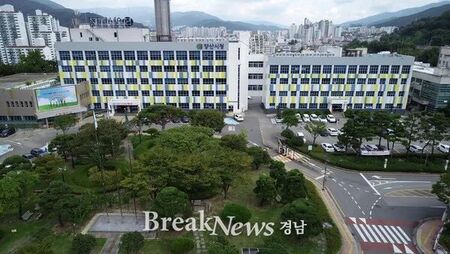
 ▲ 사진제공=파주시 |
파주시는 현재 탄현면 환경관리센터 내 광역소각시설과 운정 환경관리센터 내 소각장 등 두 곳의 소각시설을 운영하고 있다.
두 시설의 하루 최대 처리 용량은 각각 200톤과 90톤으로, 연간 7만톤의 생활폐기물을 자체 처리하고 있다.
시는 2002년부터 소각 중심의 폐기물 처리 체계를 구축했으며, 소각 후 발생하는 잔재물 처리를 위한 28,370㎡ 규모의 자체 소각재 매립시설도 함께 운영 중이다.
시 관계자는 "관내에서 발생하는 모든 폐기물에 대한 자체 처리능력을 완비한 상태"라며 "정부의 직매립 금지 방침에 영향을 받을 가능성이 없다"고 강조했다.
파주시는 기존 소각시설의 노후화에 대비하고 중장기적으로 안정적인 폐기물 처리 체계를 확립하기 위해 하루 700톤 규모의 광역 소각시설 구축을 추진하고 있다.
현재 기후에너지환경부와 전략영향평가 본안을 협의 중이며, 2031년 준공을 목표로 사업이 진행되고 있다.
김경일 파주시장은 "파주시는 이미 직매립을 하지 않는 선진적 처리 체계를 갖추고 있어 직매립 금지 정책의 직접적 영향은 사실상 없다"고 말했다.
이어 "신규 소각시설 건립은 무엇보다 주민들과의 긴밀한 소통을 바탕으로 투명하게 진행할 예정"이라며 "시민이 체감할 수 있는 '지속 가능한 자원순환 도시 파주'를 만들어 나가겠다"고 밝혔다.
*아래는 위 기사를 '구글 번역'으로 번역한 영문 기사의 [전문]입니다. '구글번역'은 이해도 높이기를 위해 노력하고 있습니다. 영문 번역에 오류가 있을 수 있음을 전제로 합니다.<*The following is [the full text] of the English article translated by 'Google Translate'. 'Google Translate' is working hard to improve understanding. It is assumed that there may be errors in the English translation.>
Paju City: 'No Waste Crisis' Despite Ban on Direct Landfills in Metropolitan Area
Establishing a Full-Scale Incineration System... Aiming for Completion of a 700-Ton Metropolitan Facility by 2031
Paju City expressed confidence that there are no concerns about a waste crisis despite the "ban on direct landfilling of household waste in metropolitan landfills," which will take effect in 2026.
On the 20th, the city announced, "Paju City incinerates all of its household waste, so there is no concern about a so-called 'waste crisis' following the implementation of the policy."
Paju City currently operates two incineration facilities: a regional incineration facility within the Tanhyeon-myeon Environmental Management Center and an incinerator within the Unjeong Environmental Management Center.
The two facilities have a maximum daily processing capacity of 200 tons and 90 tons, respectively, and process 70,000 tons of household waste annually.
The city has established an incineration-centered waste disposal system since 2002 and also operates a 28,370㎡ incineration ash landfill to process post-incineration residue.
A city official emphasized, "We have fully developed our own waste disposal capabilities for all waste generated within the city," adding, "There is no possibility of being affected by the government's direct landfill ban."
Paju City is pursuing the construction of a large-scale incineration facility with a daily capacity of 700 tons to prepare for the aging of existing incineration facilities and establish a stable waste disposal system in the mid- to long-term.
The project is currently under discussion with the Ministry of Climate, Energy and Environment on a strategic impact assessment, with completion targeted for 2031.
Paju Mayor Kim Kyung-il stated, "Paju City already has an advanced waste disposal system that does not rely on direct landfilling, so the direct landfill ban will have virtually no direct impact."
He continued, "The construction of the new incinerator will be carried out transparently, based on close communication with residents above all else," and added, "We will create a 'sustainable resource recycling city, Paju,' that citizens can feel."
원본 기사 보기:브레이크뉴스 경기서부