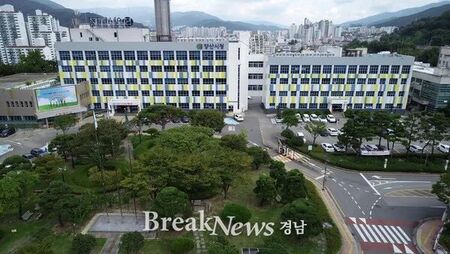
▲ 예산군청 전경 © 정지완 기자 |
충남 예산군이 2026년을 맞아 군민의 일상과 직결되는 36건의 주요 정책 변화를 정리해 적극적인 홍보에 나선다. 복지·보건을 중심으로 행정·안전, 농업·수도, 문화·환경, 건축·교통 전반에 걸쳐 제도 개선과 신규 사업을 병행해 정책 체감도를 높이겠다는 구상이다.
가장 큰 비중을 차지하는 복지·보건 분야에서는 돌봄과 소득 보전 기능이 강화된다. 시각장애인안마서비스 단가는 월 18만원으로 인상되고, 긴급돌봄지원사업은 방문돌봄·목욕 단가 조정과 함께 이용 연령 기준이 13세 이상으로 완화된다. 국민기초생활보장제도 역시 생계급여 기준액 상향과 청년 소득공제 대상 확대, 의료급여 부양비 적용 폐지 등으로 접근성이 넓어진다.
장애인 지원 체계도 한층 촘촘해진다. 활동지원 급여 단가와 장애인연금 기초급여 인상과 함께, 금년 1월부터 장애인가족지원센터가 문을 열어 가족 단위 통합지원과 긴급돌봄을 담당한다. 여기에 95세 이상 어르신을 위한 장수축하물품 지원과 경로당 부식비 정액 지원이 새롭게 도입돼 고령층 복지 기반이 보완된다.
보건 정책은 예방과 접근성 강화에 초점을 맞췄다. C형간염 확진검사비와 취약계층 성인병 지원 범위가 확대되고, 치매치료관리비 지원 기준을 중위소득 140% 이하로 명확히 했다. 산후조리원 이용료, 임산부 진료 교통비, 암환자 가발 구입비 지원 등 생애주기별 보건사업도 순차 시행되며, 일부 보건진료소 관할 구역을 넓혀 인접 지역 의료 공백을 줄인다.
행정·안전 분야에서는 생활 안전망을 보강한다. 고향사랑기부제 세액공제 구간이 넓어지고, 주택화재 피해 주민에게 최대 1000만원을 지원하는 제도가 신설된다. 전입실비는 지역화폐로 개편되며, 군민안전보험은 보장 한도 상향과 함께 독액성 동물 접촉 사고에 대한 응급실 진료비 보장을 추가했다.
농업·수도 정책은 현장 여건을 반영했다. 여성농업인 특수건강검진 대상 연령을 넓히고, 외국인 계절근로자 초청 범위를 2촌 이내 친척으로 조정해 인력 수급의 유연성을 높였다. 수도요금 스마트고지 수용 시 요금 감면이 도입되는 한편, 공공하수도 사용료는 단계적으로 조정된다.
문화·환경 분야에서는 문화 접근권이 확대된다. 통합문화이용권과 청소년·생애전환기 지원금이 인상되고, 청년문화예술패스는 연 20만원으로 확대된다. 전기자동차 전환지원금 도입은 생활 속 탄소 저감 정책의 일환으로 해석된다.
교통·주거 정책도 병행된다. 섬김택시 대상 마을을 늘려 교통 사각지대를 줄이고, 기초주거급여와 농촌빈집 정비사업의 지원 규모를 확대해 주거 안정성을 높일 계획이다.
이번 정책 정비는 단편적 혜택 확대를 넘어, 돌봄·보건·안전·주거를 하나의 생활 체계로 엮으려는 시도로 읽힌다. 군민의 생애주기와 지역 여건을 세밀하게 반영한 제도 설계가 실제 현장에서 안정적으로 작동할 수 있도록, 지속적인 안내와 관리가 정책 성과를 좌우할 핵심 과제가 될 전망이다.
*아래는 위 기사를 '구글 번역'으로 번역한 영문 기사의 [전문]입니다. '구글번역'은 이해도를 높이기를 위해 노력하고 있습니다. 영문 번역에 오류가 있을 수 있음을 전제로 합니다.<*The following is [the full text] of the English article translated by 'Google Translate'. 'Google Translate' is working hard to improve understanding. It is assumed that there may be errors in the English translation.>
Yesan County, South Chungcheong Province, will actively promote 36 key policy changes directly impacting the daily lives of its residents in 2026. The plan is to enhance policy awareness by simultaneously implementing system improvements and new projects across all sectors, including welfare and health, administration and safety, agriculture and water supply, culture and environment, and architecture and transportation.
In the welfare and health sector, which accounts for the largest portion of the budget, care and income preservation functions will be strengthened. The unit price for massage services for the visually impaired will increase to 180,000 won per month, and the emergency care support program will adjust the unit price for home visits and bathing, while the age limit for users will be relaxed to 13 years and older. Accessibility to the National Basic Livelihood Security System will also be broadened with an increase in the livelihood benefit threshold, expansion of youth income deductions, and the abolition of the medical benefit dependency fee.
The support system for persons with disabilities will also be strengthened. Along with increases in the unit price of activity support benefits and the basic disability pension, the Disability Family Support Center will open in January of this year to provide integrated family support and emergency care. Additionally, the welfare foundation for the elderly will be strengthened with the introduction of new longevity celebration items for seniors aged 95 and older and flat-rate subsidies for food costs at senior centers.
Health policies focus on prevention and accessibility. The scope of support for hepatitis C diagnostic testing and adult diseases for vulnerable populations has been expanded, and the criteria for dementia treatment and management support has been clarified to be 140% or less of the median income. Life-cycle-specific health programs, including support for postpartum care center fees, transportation for pregnant women, and wig purchases for cancer patients, will be implemented sequentially. The jurisdictional areas of some public health clinics will be expanded to reduce the gap in healthcare in neighboring areas.
In the administrative and safety sectors, the safety net will be strengthened. The tax deduction for the Hometown Love Donation System will be expanded, and a new system will be established to provide up to 10 million won to residents affected by residential fires. Moving-in expenses will be converted to local currency, and the Military and County Safety Insurance will have its coverage limits increased and emergency room treatment coverage for contact with venomous animals added.
Agricultural and water policies reflect real-world conditions. The age limit for special health checkups for female farmers has been expanded, and the scope of invitations for foreign seasonal workers has been adjusted to include relatives within the second degree of kinship, increasing flexibility in labor supply and demand. Water rate discounts will be introduced for those who accept smart billing systems, while public sewerage fees will be gradually adjusted.
In the cultural and environmental sectors, access to culture will be expanded. The Integrated Culture Pass and the Youth and Life Transition Support Fund will be increased, and the Youth Culture and Arts Pass will be expanded to KRW 200,000 per year. The introduction of electric vehicle conversion subsidies is seen as part of a policy to reduce carbon emissions in everyday life.
Transportation and housing policies will also be implemented in parallel. The number of villages eligible for the "Seomgim Taxi" program will be expanded to reduce transportation blind spots, and the scope of support for the Basic Housing Benefit and the Rural Vacant House Redevelopment Project will be expanded to enhance housing stability.
This policy overhaul goes beyond the expansion of piecemeal benefits and is seen as an attempt to integrate care, health, safety, and housing into a unified lifestyle. To ensure that the system design, which meticulously reflects the life cycles of citizens and regional conditions, operates reliably in the field, ongoing guidance and management are expected to be key tasks that will determine policy outcomes.
원본 기사 보기:브레이크뉴스대전세종충청