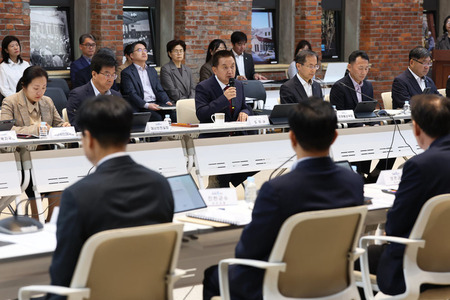
▲ 대전 동구, 용운에코포레아파트 다함께돌봄센터 9호점을 방문한 박희조 동구청장=대전 동구청 제공 © 정지완 기자 |
대전 동구가 지역 중심의 공공 초등 돌봄 체계를 빠르게 확장하며 생활권 돌봄망 구축에 속도를 내고 있다. 지난해 중반 이후 다함께돌봄센터를 연이어 조성하며, 방과 후 돌봄 수요 증가에 선제적으로 대응하고 있다는 평가다.
다함께돌봄센터는 소득 수준과 무관하게 돌봄이 필요한 모든 초등학생을 대상으로, 정규수업 이후 시간과 방학 기간에 돌봄·놀이·학습 연계 프로그램을 제공하는 공공 돌봄시설이다. 학교 돌봄의 한계를 보완하는 지역 기반 인프라로서, 맞벌이 가구와 돌봄 공백 가정의 실질적 부담을 덜어주는 역할을 수행한다.
동구는 지난해 7·8·9호점을 잇따라 개소하며 돌봄 인프라의 외연을 넓혔다. 가양1동 통합가족센터와 판암삼정그린코아아파트, 용운에코포레아파트 커뮤니티 공간을 활용해 접근성과 안전성을 함께 고려한 것이 특징이다. 특히 공동주택 내 유휴공간을 돌봄시설로 전환한 사례는 민관 협력에 기반한 생활 밀착형 돌봄 모델로 의미를 더한다.
올해 들어서도 확충 기조는 이어진다. 동구는 오는 3월 천동리더스시티 4·5단지 아파트에 10·11호점을 추가로 문 열어, 학교 늘봄교실의 사각지대를 보완하고 지역 단위 돌봄 서비스의 연속성을 강화할 계획이다. 단기간에 다수의 시설을 안정적으로 확충했다는 점에서, 보육·교육 정책을 행정의 핵심 과제로 두고 있다는 점이 분명해졌다는 분석이 나온다.
지자체 차원의 초등 돌봄 확충은 단순한 시설 증가를 넘어, 지역 공동체의 돌봄 책임을 제도적으로 분담하는 과정이라는 점에서 의미가 크다. 동구의 사례는 학교·가정·지역을 잇는 돌봄 체계를 생활권 단위로 촘촘히 설계할 경우, 돌봄 공백을 실질적으로 줄일 수 있음을 보여준다. 지속 가능한 운영과 프로그램의 질적 관리가 병행된다면, 지역 공공 돌봄 정책의 모범 사례로 자리매김할 가능성도 적지 않다.
*아래는 위 기사를 '구글 번역'으로 번역한 영문 기사의 [전문]입니다. '구글번역'은 이해도를 높이기를 위해 노력하고 있습니다. 영문 번역에 오류가 있을 수 있음을 전제로 합니다.<*The following is [the full text] of the English article translated by 'Google Translate'. 'Google Translate' is working hard to improve understanding. It is assumed that there may be errors in the English translation.>
Daejeon Dong-gu Expands Elementary School Care Infrastructure by Expanding Together Care Centers
For All Elementary School Students Regardless of Income Level… Strengthening Community Care Network by Utilizing Unused Apartment Space
Daejeon Dong-gu is rapidly expanding its community-based public elementary school care system and accelerating the establishment of a community-based care network. The successive establishment of Together Care Centers since the middle of last year is considered a proactive response to the growing demand for after-school care.
Together Care Centers are public care facilities that provide care, play, and learning programs after regular school hours and during school breaks for all elementary school students in need, regardless of income level. As a community-based infrastructure that complements the limitations of school care, they serve to alleviate the burden on dual-income families and families experiencing a gap in childcare.
Dong-gu expanded its care infrastructure by opening its 7th, 8th, and 9th centers last year. The development is notable for its consideration of accessibility and safety, utilizing the community spaces of the Gayang 1-dong Integrated Family Center, Panam Samjeong Green Core Apartments, and Yongun Eco-Fore Apartments. The conversion of idle space within apartment complexes into care facilities adds significance as a model of care closely tied to daily life, built on public-private partnerships.
This expansion trend will continue this year. Dong-gu plans to open additional centers in the 4th and 5th complexes of Cheondong Leaders City in March, addressing the gaps in school-based "Neulbom" classrooms and strengthening the continuity of community-based care services. The rapid and stable expansion of numerous facilities in such a short period of time underscores the district's commitment to prioritizing childcare and education policies over administrative priorities.
The expansion of elementary care at the local government level is significant not only for its increased facilities but also for its institutionalized sharing of care responsibilities within the local community. The Donggu case demonstrates that a tightly structured care system connecting schools, homes, and communities, designed at the community level, can substantially reduce the gap in care. If sustainable operations and quality management of the program are combined, it has the potential to become a model for regional public care policies.
원본 기사 보기:브레이크뉴스대전세종충청