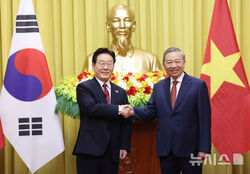
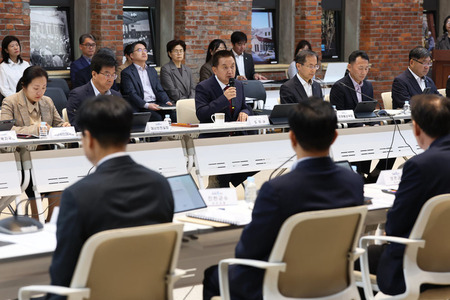
우원식 국회의장이 6월3일 지자체 선거일에 원포인트 개헌을 하자는 주장을 줄곧 펼치고 있다. 장동혁 국민의힘 대표는 단박에 거절했는데 이재명대통령은 지난 2일 추경예산 국회연설차 와서 "5·18 정신의 헌법 전문 반영이라든지, 계엄 요건의 엄격화 문제는 개헌을 추진하는 게 좋겠다"는 취지로 우원식 국회의장을 밀어줬다.
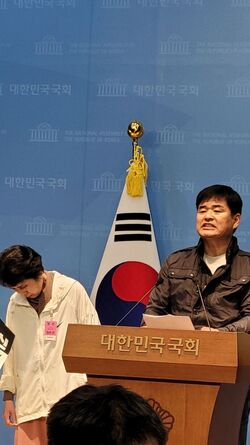
 ▲ 우원식 국회의장이 지난 3월10일 오전 서울 여의도 국회의장 접견실에서 열린 개헌 관련 긴급 기자회견에서 발언을 하고 있다. 우 국회의장은 "계엄 국회통제 강화, 5·18정신 전문수록, 지방균형발전 등을 개헌에 담아야 한다"고 밝혔다. |
지금 원 포인트 개헌을 하는 게 옳은가? 아니면 나중에 대통령 4년 중임제 같은 큰 권력구조개편까지 한꺼번에 하는 게 좋은가? 굳이 원 포인트 개헌을 이번에 한다면 기왕 하는 김에 급한 과제는 몇 개 해치우는 게 좋잖을까? 나는 우리나라 헌법학의 대가인 성낙인 전 서울대총장, 그리고 여러 헌법학자들의 견해를 들어봤다. 결론은 1987년 개헌 후 38년간을 한 번도 개헌하지 못했는데 하는 김에 중요한 거 한꺼번에 하지 시늉만 내서 뭐하겠느냐는 주장들이 우세했다.
우원식 국회의장식 개헌은 필요없다는 것이다. 우원식의 원 포인트 개헌은 1)대통령의 계엄발효 요건으로 국회의 동의가 없으면 일정시간 내 자동 효력소멸 2)헌법전문에 4.19뿐만 아니라 부마항쟁, 5.18정신을 넣자는 것 3)지방 균형발전 의무화 등이다.
내가 보건데 윤석열 계엄이 파탄난후 앞으로 대통령자리에서 권력문제로 계엄하여 감방행을 자초하는 어리석은 인간은 없을 것 같다.
북한이나 적성국가가 한국에 갑자기 미사일을 날려 전쟁사변에 준하는 사태를 촉발하거나 국내 폭동이나 엄청난 천재지변 외에는 계엄선포는 없을 것 같다. 이런경우는 굳이 국회동의가 필요하겠는가?
그리고 5.18, 부마항쟁의 저항정신을 특별하게 헌법을 바꿔하며 할 사안인지, 아니면 이번 지자체 선거때 호남은 어차피 민주당에 표를 줄테니 부마항쟁을 넣어 부산시장 경남지사 득표에 도움을 얻으려는 것인지 의심을 살 수 있다. 지방 균형발전은 이미 이재명 정부가 광역통합으로 깊숙하게 진행하고 있고, 그것 보다는 차라리 저출산 고령화의 해결에 국력을 쏟는다는 내용이 더 나을 것 같다.
종합적으로 내가보기엔 우원식의 원 포인트 개헌은 초점이 빗나갔다.
한국이 개헌을 못한 기간 동안 독일은 67회 프랑스 20회 개헌을 단행했고 미국도 1992년 1회 개헌을 한바 있다.
개헌절차는 미국이 세계에서 가장 까다롭다고 하나 한국도 사실상 불가능에 가까운 나라로 친다.
대통령 국회과반 발의는 어렵지 않으나 국회의원 3분의2 찬성 의결에 국민 과반수 투표에 과반수 찬성, 민주당이 현재 무소불위인데도 국회의원 3분의2 철옹성을 넘지 못한다. 국민 과반수투표도 상당히 어려운 장벽이다.
한국의 정치적 갈등지수는 전 세계 5위권 내이다. 진보 보수가 거의 원수처럼 싸운다. 당대표가 싸움대장이며 국회의원들은 당의 방침에 어긋나면 다음에 공천을 못받는다. 미국정치는 당대표도 없고 중앙공천도 없으므로 공화당의원도 트럼프에 대든다.
지난번 대선때 국민은 이재명대통령에 49%, 김문수+이준석에 50%가까이 밀어줬다. 22대국회의원선거때는 민주당 48%, 국힘 43%득표였다. 국민의 표심은 민주당에 과반을 준 적이 없다. 그런데 정치기제의 애로로 여당은 지금 제왕적국회에서 민주주의 초석인 3권분립을 뭉개버리고 의석의 70~80%를 행사하고 있다. 이번 원포인트 개헌을 한다면 이런 민주주의 깨뜨린 해악을 시급히 바로 잡는게 급선무일 것이다.
 ▲ 필자/김세형 언론인(앞줄) ©브레이크뉴스 |
많은 헌법학자들은 개헌을 하려면 중요성 순서를 다음과 같이 나열 했다.
1) 개헌을 쉽게하는 원포인트 개헌(프랑스 독일식 참조)
2)제왕적 대통령 권한 제한 (대통령불소추권 폐지, 조국같은 정치범 사면권 제한. 대법관 헌재재판관 중앙선관위원장 임명권 제한. 감사원 대통령직속 페지..)
3)제왕 국회 및 국회의원 권한을 제한( 국회의원 면책 및 불체포권 폐지, 국민소환제, 전세계 유일한 행정부국정감사 폐지).
우원식 국회의장은 원포인트 개헌을 굳이 한다면 쉬운 개헌절차, 대통령사면권 제한. 국회의원 특권폐지, 이렇게 3개 조항 쯤 한다면 국민의 박수를 받을 것 같다.
*필자/김세형 언론인.
*아래는 위 기사를 '구글 번역'으로 번역한 영문 기사의 [전문]입니다. '구글번역'은 이해도 높이기를 위해 노력하고 있습니다. 영문 번역에 오류가 있을 수 있음을 전제로 합니다.<*The following is [the full text] of the English article translated by 'Google Translate'. 'Google Translate' is working hard to improve understanding. It is assumed that there may be errors in the English translation.>
If President Lee Jae-myung wants to push for a constitutional amendment in the style of Speaker Woo Won-sik?
- Journalist Kim Se-hyung
National Assembly Speaker Woo Won-sik has consistently argued for a "one-point" constitutional amendment on June 3, the day of the local elections. While People Power Party leader Jang Dong-hyuk flatly rejected the proposal, President Lee Jae-myung, who visited the National Assembly on the 2nd for a speech on the supplementary budget, supported Speaker Woo by stating, "It would be good to push for a constitutional amendment regarding issues such as reflecting the spirit of the May 18 Uprising in the preamble of the Constitution and tightening the requirements for martial law."
Is it right to proceed with a one-point amendment now? Or would it be better to carry out a major restructuring of the power structure, such as a four-year presidential term with the possibility of re-election, all at once later? If we are going to proceed with a one-point amendment this time, wouldn't it be better to tackle a few urgent tasks while we are at it? I listened to the views of Sung Nak-in, former President of Seoul National University and a leading figure in Korean constitutional law, as well as various other constitutional scholars. The prevailing argument was that since the Constitution has not been amended even once in the 38 years since the 1987 revision, there is no point in merely going through the motions; since we are doing it anyway, we should address the important issues all at once.
The consensus is that a constitutional amendment in the style of National Assembly Speaker Woo Won-sik is unnecessary. Woo Won-sik’s "one-point" amendment includes: 1) establishing a condition for the President to declare martial law that it automatically expires within a certain period without the National Assembly’s consent; 2) incorporating the spirits of the Bu-Ma Uprising and the May 18 Uprising into the Preamble of the Constitution, in addition to the April 19 Revolution; and 3) mandating balanced regional development.
In my view, following the collapse of Yoon Seok-yeol's martial law, it seems unlikely that any foolish individual will invite imprisonment by declaring martial law over power struggles while in the presidency.
It appears that martial law will not be declared unless North Korea or an enemy state suddenly launches missiles at Korea, triggering a situation equivalent to war, or due to domestic riots or massive natural disasters. In such cases, would the National Assembly’s consent really be necessary?
The conclusion is that, given the failure of the Yoon Seok-yeol martial law, there will be no foolish individual in the future who would invite imprisonment. Furthermore, one might suspect whether the resistance spirit of the May 18 Uprising and the Bu-Ma Uprising warrants a special constitutional amendment, or if the intention is merely to incorporate these events to boost votes for the Busan Mayor and Gyeongnam Governor elections, given that the Honam region is expected to vote for the Democratic Party anyway. Balanced regional development is already being deeply pursued by the Lee Jae-myung administration through metropolitan consolidation; it would likely be better to focus national efforts on resolving the issues of low birth rates and an aging population instead.
Overall, in my view, Woo Won-sik's "one-point" constitutional amendment misses the mark.
During the period when Korea was unable to amend its constitution, Germany carried out 67 amendments, France 20, and the United States amended its constitution once in 1992.
While the US is said to have the strictest constitutional amendment procedures in the world, Korea is also considered a country where it is virtually impossible. While it is not difficult for the President to propose a bill with a majority of the National Assembly, the process requires a two-thirds majority vote by lawmakers and a majority vote by the public. Even though the Democratic Party currently holds absolute power, it cannot overcome the impregnable fortress of the two-thirds majority of lawmakers. A majority vote by the public is also a considerably difficult hurdle.
Korea's political conflict index ranks within the top five globally. Progressives and conservatives fight almost like sworn enemies. Party leaders act as the ringleaders, and lawmakers who deviate from party policy are denied nominations for future elections. In contrast, American politics lacks party leaders and central nominations, so even Republican lawmakers stand up to Trump.
In the last presidential election, the public gave President Lee Jae-myung 49% of the vote and nearly 50% to the Kim Moon-soo and Lee Joon-seok duo. In the 22nd National Assembly election, the Democratic Party received 48% of the vote, while the People Power Party received 43%. The public sentiment has never given the Democratic Party a majority. However, due to difficulties in the political mechanism, the ruling party is currently exercising 70–80% of the seats in an "imperial" National Assembly, trampling on the separation of powers—the cornerstone of democracy. If a one-point constitutional amendment is to be pursued, the top priority should be to urgently rectify the harm caused by the destruction of democracy.
Many constitutional scholars have listed the order of importance for any constitutional amendment as follows:
1) A one-point amendment to facilitate the process (referencing the French and German models)
2) Limitation of the imperial presidential powers (abolition of the presidential immunity from prosecution, restriction of the pardoning power for political prisoners like Cho Kuk, restriction of the appointment power for Supreme Court Justices, Constitutional Court Justices, and the Chairman of the National Election Commission, abolition of the Board of Audit and Inspection being directly under the President...)
3) Limitation of the imperial National Assembly and the powers of its members (abolition of parliamentary immunity and immunity from arrest, introduction of the citizen recall system, and abolition of the executive branch's state audit, which is unique in the world).
National Assembly Speaker Woo Won-sik stated that if a one-point amendment were to be pursued, it should focus on a simplified amendment process and restrictions on the presidential pardoning power. If they include about three clauses, such as the abolition of parliamentary privileges, it seems they would receive applause from the public.
*Author/Journalist Kim Se-hyung.