▲필자/곽태환 전 통일연구원 원장 ©브레이크뉴스 |
서론
2026년 4월 9~10일 왕이 중국 외교부장이 평양을 방문하여 김정은 국무위원장과 접견을 가진 사건은, 단순한 북•중 전통적 우호관계의 재확인에 그치지 않는다. 이 접견은 북•러 군사협력의 심화, 미•중 전략경쟁의 가속화, 트럼프 미국 대통령의 방중(5월 14~15일), 그리고 잠재적 북•미 정상회동 가능성이라는 복합적 구조 속에서 이루어졌다는 점에서 국제정치적 함의가 매우 크다.
기존 분석은 2026년 북•미 정상회동의 가능성을 낮게 평가해 왔다. 미•중 정상회담 자체가 과부하 상태이며, 북•미 간 교환 가능한 협상 자산도 부족하고, 정상회담 준비에 필요한 실무•의전•보안 조율도 단기간에 이루어지기 어렵기 때문이다. 그러나 국제정치는 구조적 제약만으로 결정되지 않는다. 지도자 심리, 중국의 촉진자•가교 역할, 전략적 재조정이 결합할 때 구조적 제약을 뛰어넘는 결과가 나타나기도 한다.
본 칼럼은 이러한 문제의식을 바탕으로, (1) 구조적 요인, (2)정치심리적 요인, 그리고 촉진자•가교 역할 이라는 삼중 분석틀을 통해 왕이 방북의 의미를 재해석하고, 2026년 북•미 정상회동의 개연성을 평가하며, 한국의 전략적 대응 방향을 제시하고자 한다.
이론적 틀: 구조–심리–촉진의 삼중 분석
1. 구조적 요인: 전략적 재조정과 불확실성 관리
중국은 구조적 관점에서 세 가지 목표를 갖고있다. 첫째, 중국은 북•러 밀착을 견제이다. 최근 북한의 러시아 의존 심화는 중국의 전략적 영향력 약화를 의미한다. 중국은 북한이 러시아의 단독 후견권 아래로 이동하는 것을 원치 않는다는 사실이다.
둘째, 중국은 트럼프 대통령의 방중을 앞둔 북한 변수를 관리하는 것이다. 중국은 미•중 정상회담에서 북한 문제가 돌발 변수로 등장하는 것을 원치 않는다. 왜냐하면, 북한의 도발은 회담 의제를 교란할 수 있기때문이다.
셋째, 한반도 안정 유지가 목표이다. 북•미 대화가 재개되면 긴장 완화 효과가 있어 중국의 부담이 줄어들 것이다.
이러한 구조적 요인은 중국이 북한을 다시 전략 궤도 안으로 끌어들이려는 재포섭 (Re embedding) 전략으로 이어진다.
2. 정치 심리적 요인: 김정은의 위기의식과 트럼프의 보상 욕구
김정은의 위기의식은 중동전쟁을 통해 미국의 군사력 사용 의지가 재확인되면서, 북한은 향후 압박 대상이 될 수 있다는 위기의식을 갖게 되었다. 위기–기회 전환 이론이 설명하듯, 지도자는 위기 상황에서 오히려 대화의 문을 열 가능성이 커진다.
트럼프 대통령의 정치•심리적 동기는 그가 중동전쟁에서 성과를 내지 못한 상황에서 외교적 성과를 필요로 하고 있다. 김정은 위원장과의 정상회담은 즉각적이고 상징적인 외교적 성과를 제공할 수 있을 것이다. 이는 북•미 정상회동 개연성을 높이는 심리적 요인으로 작용하게 될 것이다.
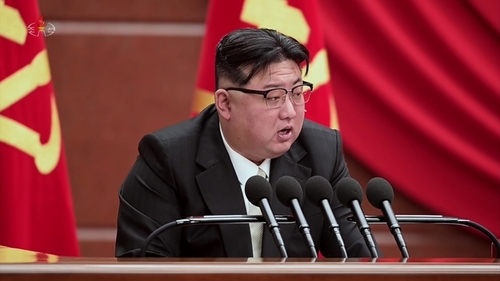
 ▲ 김정은 북한 국무위원장은 지난 4월10일 평양 노동당 중앙총부에서 북한을 방문 중인 왕이 중국 공산당 중앙정치국 위원 겸 외교부장과 접견했다고 중국 관영 신화통신이 보도했다.(사진=중국 외교부 홈페이지 갈무리) 2026.04.10 ©뉴시스 |
3. 중국의 촉진자(facilitator)•가교(bridge builder) 역할
한반도 문제 당사자인 중국은 중립적 의미의 ‘중재자(mediator)’역할은 할 수 없지만, 대화의 공간을 제공하고, 정보 흐름을 관리하며, 자신이 배제되지 않는 협상 구조를 설계하는 가교역할 혹은 촉진자 역할을 수행할 수 있을 것이다.
왕이 외교부장의 방북(4.9-10)은 이러한 가교역할 혹은 촉진자 역할의 전형적 사례다. 중국은 향후 북•미 대화가 한반도 긴장을 낮추고, 미•중 경쟁 국면에서 자신들의 부담을 줄인다는 점을 잘 알고 있다.
아래 <표1)은 왕이부장-김정은위원장 접견의 국제정치적 분석틀을 보여주고 있다.
〈표 1〉 왕이–김정은 접견의 국제정치적 분석틀
 ▲ 곽태환 ©곽태환 박사 |
왕이 방북이 북•미 정상회동 개연성을 높이는 요인분석
1. 북•러 밀착 이후 중국의 ‘북한 재포섭’ 전략의 심화
왕이의 방북은 무엇보다도 최근 급격히 심화된 북•러 밀착에 대한 중국의 구조적 대응이라는 점에서 중요한 의미를 갖는다. 2023년 이후 북한과 러시아는 군사•기술•정치적 협력을 빠르게 확대해 왔으며, 이는 중국 입장에서 자국의 전통적 영향력이 잠식될 수 있다는 우려를 불러일으켰다. 특히 러시아가 북한의 군사적 요구를 충족시키는 방향으로 움직이기 시작하면서, 북한이 중국을 우회하여 러시아를 새로운 후견자로 삼는 것 아니냐는 의문이 제기되었다.
이러한 상황에서 왕이의 방북은 단순한 외교적 의례가 아니라, 북한을 다시 중국의 전략적 궤도 안으로 재포섭(re-embedding)하려는 의도적 조치로 해석된다. 중국은 북한이 러시아와의 협력을 완전히 단절하기를 기대하지는 않지만, 북한이 러시아에 과도하게 의존하여 중국의 전략적 영향력이 약화되는 상황은 결코 용인할 수 없다. 따라서 왕이의 방북은 북한의 외교적 선택지를 다시 중국 중심의 구조로 재정렬하려는 시도로 볼 수 있다.
또한 중국은 북한의 대외전략이 러시아 쪽으로 기울어질 경우, 한반도 문제에서 자국의 중재•조정 능력이 약화될 수 있다는 점을 우려한다. 중국은 한반도 문제에서 ‘배제되는 것’을 가장 경계하며, 북한이 러시아와의 협력을 확대하더라도 최종적 전략 조율은 반드시 중국과 함께 이루어져야 한다는 메시지를 전달하고자 했다. 왕이–김정은 접견은 이러한 중국의 전략적 의도를 북한에 명확히 전달하는 계기가 되었다.
2. 트럼프–시진핑 정상회담을 앞둔 ‘사전 안정화’의 구체적 작동 방식
왕이 방북의 시점은 트럼프 대통령의 방중을 한 달 앞둔 시점이었다. 이는 중국이 북한 변수를 사전에 안정화(pre stabilization)하려는 목적을 갖고 있었음을 강하게 시사한다. 미•중 정상회담은 이미 경제•기술•안보 등 다양한 현안으로 과부하 상태이며, 북한의 돌발적 도발은 회담 의제를 교란하고 양국 간 협상 분위기를 악화시킬 수 있다.
중국은 이러한 위험을 최소화하기 위해 북한에 대해 두 가지 메시지를 전달했을 가능성이 크다. 첫째, 트럼프 방중 전후로는 도발을 자제해 달라는 요청이다. 북한의 미사일 발사나 군사적 긴장 고조는 미•중 정상회담의 성과를 약화시키고, 중국의 외교적 부담을 증가시킬 수 있다. 둘째, 대화의 문을 완전히 닫지 말고, 북•미 대화 가능성을 열어두라는 조언이다. 중국은 북•미 대화가 재개될 경우 한반도 긴장이 완화되고, 미•중 경쟁 국면에서 북한 문제가 돌발 변수로 작용하는 것을 방지할 수 있다는 점을 잘 알고 있다.
이러한 맥락에서 왕이의 방북은 중국이 북한을 압박하기보다는, 위기관리자이자 조정자로서 북한의 행동을 관리하고, 미•중 정상회담의 안정적 개최를 위한 환경을 조성하려는 외교적 조치로 이해할 수 있다.
3. 북•미 정상회동 가능성에 대한 탐색과 조율의 심층적 의미
김정은은 미국의 군사력 사용 의지를 확인한 상황에서, 트럼프라는 ‘예측 불가능하지만 결단력 있는’ 협상 상대와 다시 만날 유인을 갖는다. 이 과정에서 중국과의 사전 조율은 필수적이다. 트럼프 대통령은 중동전쟁에서 성과를 내지 못한 상황에서 외교적 돌파구가 필요하다. 김정은과의 회동은 즉각적 성과를 제공할 수 있다. 중국은 이를 알고 있으며, 왕이 방북은 이러한 흐름을 관리하려는 조치다.
왕이–김정은 접견은 잠재적 북•미 정상회동 가능성을 탐색하는 전략적 대화였다는 점에서 중요한 의미를 갖는다. 중국은 트럼프 대통령의 정치적 동기와 김정은의 위기의식을 모두 인지하고 있으며, 양측이 다시 만날 가능성이 존재한다는 점을 판단하고 있다.
중국은 북•미 정상회담이 성사될 경우, 자신이 배제되지 않는 방식으로 협상 구조를 설계하고자 한다. 이는 중국이 전통적으로 선호해 온 촉진자(facilitator)•가교 (bridge builder)역할과 일치한다. 중국은 북•미 간 직접 대화를 막기보다는, 오히려 자신이 정보 흐름과 협상 환경을 관리할 수 있는 구조를 선호한다.
따라서 왕이–김정은 접견은 다음과 같은 기능을 수행했을 가능성이 크다.
첫째, 트럼프의 의향에 대한 중국의 평가 공유: 중국은 트럼프가 외교적 성과를 필요로 하고 있으며, 김정은과의 회동이 정치적 상징성을 제공할 수 있다는 점을 북한에 전달했을 수 있다.
둘째, 북한의 조건•우려 파악: 북한이 정상회담에 응할 경우 어떤 조건을 요구할지, 어떤 형식의 회동이 부담이 적을지 등을 중국이 사전에 파악했을 가능성이 있다.
셋째, 중국이 배제되지 않는 협상 구조 설계: 중국은 북•미 대화가 재개되더라도 자신이 정보 흐름과 협상 환경을 관리할 수 있는 구조를 선호한다.
이러한 점에서 왕이–김정은 접견은 북•미 정상회동의 사전 탐색 단계로서 중요한 의미를 갖는다.
정책적 함의: 한국의 전략적 대응
왕이 방북이 북•미 정상회동 개연성을 높이는 방향으로 작용하고 있는 만큼, 한국은 이에 대응하는 전략적 정책 패키지를 마련하는 것이 바람직하다.
1. 한미연합훈련의 전략적 조정
한국은 억지력 유지와 대화 재개라는 두 목표를 동시에 달성해야 하는 어려운 과제를 안고 있다. 한미연합훈련은 억지력의 핵심 요소이지만, 북한이 이를 도발 명분으로 활용하는 경우가 많다. 따라서 한국은 훈련의 강도•형식•시기 조정을 통해 대화 공간을 열어 두면서도 억지력을 유지하는 전략적 균형을 모색해야 할 것이다.
2. 단계적 한반도평화공존정책 패키지 준비해야
북•미 대화가 재개될 경우, 한국은 단순한 관찰자가 아니라 한반도 평화공존정책의 설계자로서 역할을 수행해야 할 것이다. 이를 위해 긴장 완화 조치, 상호 조정 가능한 교환안, 그리고 단계적 비핵화•제재완화 로드맵 등을 사전에 준비해야 할 것이다.
3. 위기관리 채널 복원
한반도 위기관리 체계는 군사•정치•외교 채널이 동시에 작동해야 한다. 한국은 북•미 대화가 재개될 경우를 대비하여 군사적 핫라인, 외교적 소통 채널, 정보 공유 체계를 복원•강화해야 할 것이다.
4. 중국과의 전략적 소통 강화
중국이 가교 역할을 혹은 촉진자 역할을 수행하는 상황에서, 한국은 중국과의 전략적 소통을 강화하여 한반도 문제에서 배제되는 위험을 최소화해야 한다. 그러나 동시에 한국은 한반도 문제의 주도권은 한국이 갖는다는 원칙을 유지해야 할 것이다.
5. 트럼프 변수 관리
트럼프 대통령의 의사결정 방식은 예측 불가능성이 크다. 한국은 고위급 소통을 강화하여 한국 배제 위험을 최소화하고, 북•미 대화가 재개될 경우 한국의 전략적 이익이 반영되도록 해야 할 것이다.
결론
왕이 외교부장의 방북은 단순한 조•중 외교 행사가 아니라, 2026년 북•미 정상회동 가능성을 실질적으로 높이는 구조적•심리적•전략적 이벤트이다. 김정은 위원장과의 접견은 (1)북•러 밀착 견제, (2) 미•중 정상회담 안정화, (3) 북•미 대화 가능성 탐색, (4) 북•중 전략 조율 복원, (5)북•미 정상회동 개연성 상승 이라는 다섯 축에서 국제정치적 의미를 갖는다.
특히 중국이 수행하게 될 촉진자•가교 역할은 향후 한반도 외교가 단순한 양자관계가 아니라 삼각•사각 구조 속에서 재편될 것임을 시사한다. 2026년 한반도 외교는 구조적 제약 속에서도 새로운 외교적 기회를 만들어낼 수 있는 국면으로 이동하고 있으며, 이번 접견은 그 변곡점을 보여주는 중요한 신호가 될 수 있을 것이다.
필자 소개
*필자/곽태환 박사, 전 통일연구원 원장/한반도미래전략연구원 이사장.
미 Claremont 대학원 대학교 국제 관계학 박사. 전 미 Eastern Kentucky 대학교 국제정치학 교수; 전 경남대 극동문제연구소 소장/교수; 6대 통일연구원 원장. 현재 미국 이스턴 켄터키 대 명예교수, 경남대 초빙 석좌교수, 한반도미래전략연구원 이사장 등, 통일뉴스 특별 공로상 수상 (2021), 경남대 명예 정치학 박사 수여(2019), 글로벌평화재단(GPF)의 혁신 학술 연구 분야 평화상 수상(2012). 37권의 저서, 공저 및 편저; 칼럼, 시론, 학술논문 등 600편 이상 출판; 주요 저서: 『한반도 평화, 비핵화 그리고 통일: 어떻게 이룰 것인가?』 (통일뉴스, 2019), 공저: 『한반도 문제 해법: 새로운 모색』(학술정보, 2024), 『한반도 비핵•평화 체제의 모색』(매봉, 2023) 등; 영문 책 Editor/co-editor: In Search of Peace in Korea and Northeast Asia (Routledge, forthcoming, 2026); One Korea: Visions of Korean Unification (Routledge, 2017); 등. 이 메일: thkwak38@hotmail.com
*아래는 위 기사를 '구글 번역'으로 번역한 영문 기사의 [전문]입니다. '구글번역'은 이해도 높이기를 위해 노력하고 있습니다. 영문 번역에 오류가 있을 수 있음을 전제로 합니다.<*The following is [the full text] of the English article translated by 'Google Translate'. 'Google Translate' is working hard to improve understanding. It is assumed that there may be errors in the English translation.>
Chinese Foreign Minister Wang Yi’s Visit to North Korea and Meeting with Kim Jong-un: ‘International Political Implications’
Probability of a 2026 North Korea-US Summit: A Triple Interaction of Structure, Psychology, and Facilitation
- Kwak Tae-hwan, Former President of the Korea Institute for National Unification
Introduction
The visit of Chinese Foreign Minister Wang Yi to Pyongyang on April 9–10, 2026, and his meeting with Chairman Kim Jong-un, is not merely a reaffirmation of the traditional friendly relations between North Korea and China. This meeting carries significant international political implications, as it took place within a complex structure involving the deepening of North Korea-Russia military cooperation, the acceleration of the US-China strategic competition, US President Trump’s visit to China (May 14–15), and the potential for a North Korea-US summit.
Existing analyses have assessed the likelihood of a North Korea-US summit in 2026 as low. This is because the U.S.-China summit itself is in a state of overload, there is a shortage of negotiating assets available for exchange between North Korea and the U.S., and it is difficult to achieve the necessary coordination of working-level affairs, protocol, and security for summit preparations within the short term. However, international politics is not determined solely by structural constraints. When the psychology of leaders, China’s role as a facilitator and bridge, and strategic readjustment combine, results that transcend structural constraints can emerge.
Based on this critical perspective, this column aims to reinterpret the significance of Wang Yi’s visit to North Korea through a triple analytical framework consisting of (1) structural factors, (2) political-psychological factors, and the role of a facilitator and bridge; to assess the probability of a North Korea-U.S. summit in 2026; and to suggest directions for South Korea’s strategic response.
Theoretical Framework: Triple Analysis of Structure–Psychology–Facilitation
1. Structural Factors: Strategic Readjustment and Uncertainty Management
From a structural perspective, China has three goals. First, China aims to contain the close ties between North Korea and Russia. The recent deepening of North Korea’s dependence on Russia signifies a weakening of China’s strategic influence. The fact is that China does not want North Korea to fall under Russia's sole guardianship.
Second, China is managing the North Korean variable ahead of President Trump's visit. China does not want the North Korean issue to emerge as an unexpected variable at the U.S.-China summit. This is because North Korean provocations could disrupt the summit agenda.
Third, the goal is to maintain stability on the Korean Peninsula. If North Korea-U.S. dialogue resumes, it will have a tension-reducing effect, thereby reducing China's burden.
These structural factors lead to a "re-embedding" strategy by China to bring North Korea back into its strategic orbit.
2. Political-Psychological Factors: Kim Jong-un's Sense of Crisis and Trump's Desire for Reward
Kim Jong-un's sense of crisis arose as the U.S.'s willingness to use military force was reaffirmed through the Middle East wars, leading him to believe that North Korea could become a target of future pressure. As explained by the crisis-opportunity conversion theory, leaders are more likely to open the door to dialogue in times of crisis.
President Trump's political and psychological motivation stems from his need for diplomatic achievements in a situation where he failed to produce results in the Middle East wars. A summit with Chairman Kim Jong Un could provide immediate and symbolic diplomatic achievements. This will serve as a psychological factor that increases the likelihood of a North Korea-U.S. summit.
3. China’s Role as a Facilitator and Bridge Builder
As a party directly involved in the Korean Peninsula issue, China cannot act as a "mediator" in a neutral sense; however, it can fulfill the role of a bridge or facilitator by providing a space for dialogue, managing the flow of information, and designing a negotiation structure in which it is not excluded.
Foreign Minister Wang Yi’s visit to North Korea (April 9-10) is a typical example of this bridge or facilitator role. China is well aware that future North Korea-U.S. dialogue will lower tensions on the Korean Peninsula and reduce its burden in the context of U.S.-China competition.
Table 1 below illustrates the international political analysis framework for the meeting between Minister Wang Yi and Chairman Kim Jong Un. <Table 1> International Political Analytical Framework for the Wang Yi–Kim Jong-un Meeting
Analysis of Factors Increasing the Likelihood of a North Korea-U.S. Summit Due to Wang Yi’s Visit
1. Deepening of China’s Strategy to ‘Re-embed North Korea’ Following the Closeness Between North Korea and Russia
Wang Yi’s visit to North Korea holds significant meaning, above all, as a structural response by China to the recent rapid deepening of the closeness between North Korea and Russia. Since 2023, North Korea and Russia have rapidly expanded military, technological, and political cooperation, which has raised concerns from China that its traditional influence could be eroded. In particular, as Russia began to move in a direction that satisfies North Korea’s military demands, questions were raised as to whether North Korea was bypassing China and adopting Russia as its new patron.
Under these circumstances, Wang Yi’s visit is interpreted not merely as a diplomatic formality, but as a deliberate measure to re-embed North Korea back into China’s strategic orbit. While China does not expect North Korea to completely sever cooperation with Russia, it can never tolerate a situation where North Korea's excessive reliance on Russia weakens China's strategic influence. Therefore, Wang Yi's visit to North Korea can be viewed as an attempt to realign North Korea's diplomatic options back into a China-centric structure.
Furthermore, China is concerned that if North Korea's foreign strategy leans toward Russia, its ability to mediate and coordinate on Korean Peninsula issues could be weakened. China is most wary of being "excluded" from Korean Peninsula issues and sought to convey the message that even if North Korea expands cooperation with Russia, final strategic coordination must be carried out together with China. The meeting between Wang Yi and Kim Jong-un served as an opportunity to clearly convey these strategic intentions of China to North Korea.
2. The Specific Operation of "Pre-stabilization" Ahead of the Trump-Xi Jinping Summit
Wang Yi's visit to North Korea took place one month prior to President Trump's visit to China. This strongly suggests that China aimed to pre-stabilize the North Korean variable. The U.S.-China summit is already overloaded with various pending issues, including the economy, technology, and security, and unexpected provocations by North Korea could disrupt the summit agenda and worsen the atmosphere for negotiations between the two countries.
It is highly likely that China conveyed two messages to North Korea to minimize these risks. First, a request to refrain from provocations around the time of Trump's visit to China. North Korea's missile launches or the escalation of military tensions could undermine the achievements of the U.S.-China summit and increase China's diplomatic burden. Second, advice to keep the door open for dialogue rather than closing it completely. China is well aware that the resumption of U.S.-North Korea talks would ease tensions on the Korean Peninsula and prevent the North Korean issue from acting as an unexpected variable in the context of U.S.-China rivalry.
In this context, Wang Yi's visit to North Korea can be understood as a diplomatic measure by China to manage North Korea's behavior as a crisis manager and mediator, rather than to pressure the country, and to create an environment conducive to the stable holding of the U.S.-China summit. 3. The Deeper Significance of Exploring and Coordinating the Possibility of a North Korea-U.S. Summit
Having confirmed the U.S.'s willingness to use military force, Kim Jong-un has an incentive to meet again with Trump, an "unpredictable yet decisive" negotiating partner. In this process, prior coordination with China is essential. President Trump needs a diplomatic breakthrough as he has failed to achieve results in the Middle East wars. A meeting with Kim Jong-un could provide immediate results. China is aware of this, and Wang Yi's visit to North Korea is a measure to manage this flow.
The meeting between Wang Yi and Kim Jong-un holds significant meaning as a strategic dialogue exploring the possibility of a potential North Korea-U.S. summit. China recognizes both President Trump's political motives and Kim Jong-un's sense of crisis, and assesses that the possibility of a reunion exists between the two sides.
China intends to design the negotiation structure in a way that ensures it is not excluded should a North Korea-U.S. summit take place. This aligns with the role of facilitator and bridge builder that China has traditionally preferred. China prefers a structure that allows it to manage the flow of information and the negotiation environment, rather than blocking direct dialogue between North Korea and the United States.
Therefore, it is highly likely that the meeting between Wang Yi and Kim Jong-un served the following functions:
First, sharing China's assessment of Trump's intentions: China may have conveyed to North Korea that Trump needs diplomatic achievements and that a meeting with Kim Jong-un could provide political symbolism.
Second, identifying North Korea's conditions and concerns: It is possible that China identified in advance what conditions North Korea would demand if it agreed to a summit, and what format of the meeting would be least burdensome.
Third, designing a negotiation structure that does not exclude China: Even if North Korea-U.S. dialogue resumes, China prefers a structure where it can manage the flow of information and the negotiation environment.
In this regard, the meeting between Wang Yi and Kim Jong-un holds significant meaning as a preliminary exploratory stage for a North Korea-U.S. summit.
Policy Implications: South Korea's Strategic Response
As Wang Yi's visit to North Korea is acting to increase the likelihood of a North Korea-U.S. summit, it is advisable for South Korea to prepare a strategic policy package to respond to this. 1. Strategic Adjustment of ROK-U.S. Joint Military Exercises
South Korea faces the difficult task of simultaneously achieving two goals: maintaining deterrence and resuming dialogue. While ROK-U.S. joint military exercises are a core element of deterrence, North Korea frequently utilizes them as a pretext for provocation. Therefore, South Korea must seek a strategic balance by adjusting the intensity, format, and timing of the exercises to maintain deterrence while keeping room for dialogue open.
2. Preparation of a Phased Policy Package for Peaceful Coexistence on the Korean Peninsula
If North Korea-U.S. dialogue resumes, South Korea must play the role of an architect of a policy for peaceful coexistence on the Korean Peninsula, rather than merely an observer. To this end, it must prepare in advance measures to ease tensions, mutually adjustable exchange proposals, and a roadmap for phased denuclearization and sanctions relief.
3. Restoration of Crisis Management Channels
A crisis management system on the Korean Peninsula requires military, political, and diplomatic channels to operate simultaneously. South Korea must restore and strengthen military hotlines, diplomatic communication channels, and information-sharing systems in preparation for the resumption of North Korea-U.S. dialogue. 4. Strengthening Strategic Communication with China
Given that China is acting as a bridge or facilitator, South Korea must strengthen strategic communication with China to minimize the risk of being excluded from Korean Peninsula issues. However, at the same time, South Korea must maintain the principle that it holds the initiative in Korean Peninsula issues.
5. Managing the Trump Variable
President Trump's decision-making style is highly unpredictable. South Korea must strengthen high-level communication to minimize the risk of exclusion and ensure that its strategic interests are reflected should North Korea-U.S. dialogue resume.
Conclusion
Foreign Minister Wang Yi's visit to North Korea is not merely a diplomatic event between North Korea and China, but a structural, psychological, and strategic event that substantially increases the possibility of a North Korea-U.S. summit in 2026. The meeting with Chairman Kim Jong-un holds international political significance across five axes: (1) containment of close ties between North Korea and Russia, (2) stabilization of U.S.-China summit talks, (3) exploration of the possibility of North Korea-U.S. dialogue, (4) restoration of strategic coordination between North Korea and China, and (5) increased probability of a North Korea-U.S. summit.
In particular, the facilitator and bridge role that China will play suggests that future diplomacy on the Korean Peninsula will be reorganized within triangular and quadrilateral structures, rather than being a simple bilateral relationship. In 2026, diplomacy on the Korean Peninsula is shifting toward a phase where new diplomatic opportunities can be created despite structural constraints, and this meeting could serve as an important signal indicating that turning point.
About the Author
▲ Author: Dr. Kwak Tae-hwan. © Break News
*Author/Dr. Kwak Tae-hwan, Former President of the Korea Institute for National Unification / Chairman of the Board of Directors of the Institute for Future Strategy on the Korean Peninsula.
Ph.D. in International Relations from Claremont Graduate University, USA. Former Professor of International Politics at the University of Eastern Kentucky, USA; Former Director and Professor of the Institute for Far Eastern Studies at Kyungnam University; 6th President of the Korea Institute for National Unification. Currently Professor Emeritus at the University of Eastern Kentucky, USA; Visiting Chair Professor at Kyungnam University; Chairman of the Board of Directors of the Institute for Future Strategy on the Korean Peninsula, etc. Recipient of the Tongil News Special Achievement Award (2021), Honorary Doctorate in Political Science from Kyungnam University (2019), and Recipient of the Global Peace Foundation (GPF) Peace Prize in the Innovative Academic Research category (2012). 37 books, including co-authored and edited works; Published over 600 works including columns, commentaries, and academic papers; Major works: *Peace, Denuclearization, and Unification on the Korean Peninsula: How to Achieve It?* (Tongil News, 2019); Co-authored works: *Solutions to the Korean Peninsula Problem: New Approaches* (Haksujeongbo, 2024), *Seeking a Denuclearized and Peace Regime on the Korean Peninsula* (Maebong, 2023), etc.; English books: Editor/co-editor: *In Search of Peace in Korea and Northeast Asia* (Routledge, forthcoming, 2026); *One Korea: Visions of Korean Unification* (Routledge, 2017); etc. Email: thkwak38@hotmail.com