▲ 심백강 박사. ©브레이크뉴스 |
역사학자 심백강 박사가 지은 “한국은 역사상 중국의 일부였다.”가 출간(도서출판 바른역사)됐다.
심백강 박사는 이 책의 출간 이유를 “중국의 국가주석 시진핑은 당시 미국 대통령 트럼프를 만난 자리에서 ‘한국은 역사상 중국의 일부였다.’ 라는 발언을 한바 있다. 오늘의 한반도가 역사상에서 중국 땅의 일부였다고 만천하에 공포를 한 것인데 시진핑은 중국 공산당이 조작한 동북공정의 논리를 바탕으로 이런 주장을 편 것. 한국의 국격과 국위를 여지없이 손상시킬 뿐만 아니라 가위 국본(國本)을 송두리째 뒤흔드는 이런 발언이 나왔을 때 한국은 정부차원에서 즉각적인 반박성명이 나왔어야 했다. 그러나 역사의식이 부족했던 한국정부는 함구하고 아무런 대꾸도 하지 않았다. 이는 결과적으로 시진핑의 발언을 승인하는 꼴이 되고 말았다“고 지적했다.
이어 “국가의 근본을 건드려도 아무런 반응이 없자 한국을 얕잡아 본 중국은 최근들어 김치의 원조가 중국이라고 우기며 유엔주재 중국대사가 나서서 공개적으로 세계를 향해 엉터리 김치 선전을 하는가 하면 심지어 한국인이 수천년동안 입어온 한복마저도 중국이 원류라는 억지 주장을 서슴없이 늘어놓고 있다. 저들은 이제 한국의 역사침략을 넘어서 문화침탈을 자행하고 있는 것이다. 역사, 문화 침략 다음에 올 것은 무엇일까. 옛날에 중국 땅의 일부였으니 한국 땅덩어리 내놓으라고 윽바지르지나 않을는지, 생각만해도 소름 끼치는 일이 아닐 수 없다”고 지적하고 “오늘의 중국이 있기까지 한족은 물론 조선족, 흉노족, 돌궐족, 거란족, 몽골족, 여진족 등 아시아의 여러민족의 조상들의 피와 땀과 눈물이 보태진 것이다. 따라서 역사상의 중국은 조선족의 나라도 한족의 나라도 흉노족의 나라도 몽골족의 나라도 여진족의 나라도 아니며 이들 민족이 함께 어울려 이룩한 나라다. 그래서 중국을 다민족 통일국가라 하는 것이다. 특히 우리 한국인들은 먼 옛날 우리 조상들이 중국의 토착민, 선주민으로서 전 중국에서 가장 살기좋은 땅 발해유역에 터를 잡고 여기서 홍산문화를 창조하여 황하문명의 모태가 되었고 발해조선을 건국하여 중국문명의 기초를 닦았다. 청나라 건륭황제가 국력을 기울여 편찬한 중국사료의 보고인 『사고전서』 안에는 “한국이 역사상 중국의 일부”였던 것이 아니라 그와는 정반대로 “중국이 역사상 한국의 일부였다“라는 것을 보여주는 자료들이 차고 넘친다”고 피력했다.
저자는 역사학자의 한 사람으로서 시진핑 중국 국가주석이 “한국은 역사상 중국의 일부였다”라고 주장을 했을 당시『사고전서』의 이런 자료들을 바탕으로 즉각 반박하며 그 해명을 요구하는 공개질의서를 시진핑 주석이 거주하는 북경의 중남해와 주한 중국대사관 등에 보낸바 있다. 그러나 지금까지 어떠한 해명도 사과도 답변도 들은 바가 없다“고 강조했다.
저자는 『사고전서』의 새로운 자료를 바탕으로 ‘발해만에서 건국한 발해조선’, ‘천하를 경영한 고구려제국’ , ‘왕과 제후를 거느렸던 대륙백제’의 역사를 다룬 논문들, ‘중국은 역사상 한국의 일부였다’라는 주제로 발표한 자료, 또 ‘시진핑에게 보낸 공개질의서’ 등 관련자료를 한데 모와 한권의 책으로 묶었다.
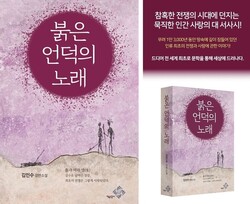
 ▲ 심백강 박사의 저서 표지. ©브레이크뉴스 |
저자가 말하는 이 책을 쓰게 된 이유
저자는 “시진핑 중국 국가주석은 한국은 역사상 중국의 일부였다”라고 말했지만 그 근거를 분명히 제시하지는 못했다. 어떤 주장이 근거를 통해서 뒷받침되지 않으면 공허한 구호에 불과할 뿐“이라고 반박했다. 저자는 “중국은 역사상 한국의 일부였다”라는 저자의 주장이 구호로서 그치지 않고 자료로서 뒷받침되게 하기 위해 이 책을 썼다고 했다. 둘째 저자는 역설 같지만 반중정서를 자극하기 위해서가 아니라 중국과 한국을 아울러 사랑하기 때문에 한, 중 양국의 우의와 평화를 염원하여 이 책을 썼다고 했다.
아래는 이 책 속의 주요 내용이다.
○…1,500년 전 선비족 두로 영은의 신도비문에 나오는 “조선건국”은 발해유역 요서에서 고조선이 건국을 하였다는 사실을 그 어떤 자료보다도 확실하게 웅변으로 대변해주고 있다. 사고전서에 실려 있는 두로 영은의 비문이야 말로 영원히 잃어버린 줄로만 알았던 요서고조선을 21세기에 다시 되찾게 해준 일등공신이다. 상고사는 사료가 생명이라는 사실을 이런데서 실감하지 않을 수 없다. _p24
○…무경총요(武經總要)는 북송北宋 때 군사제도와 군사이론을 기록한 중국 최초의 관찬병서(官撰兵書)이다. 그런데 여기서 특기할 사항은 연경의 지리를 설명하는 내용 가운데 조선하(朝鮮河)라는 이름이 등장한다는 사실이다. “조선하를 지나서 90리를 가면 북쪽으로 고북(하)구에 당도하게 된다.(過朝鮮河 九十里 北至古北(河)口)”
“연경에서 중경을 가는 도중에 조선하를 지나서 고북구에 도달한다”라고 한 무경총요의 기록에 따르면 조선하는 고북구 서쪽에 위치해 있었던 것이 분명하다. 현재 중국 지도상에 조하(潮河)는 고북구 서쪽에 난하(灤河)는 고북구 동쪽에 있다. 북경과 고북구 사이를 흐르는 큰 강은 조하가 유일하다. 이는 바로 오늘의 조하(潮河)가 송나라 때는 조선하로 불렸다는 확실한 증거가 된다.
무경총요는 지금으로부터 근 천 년 전인 1044년에 편찬되었다. 조선하가 압록강 이남 지역의 평양이나 서울 일대가 아닌 북경 부근에 있었다는 것은 고대의 조선은 한반도가 주무대가 아니라 대륙 깊숙이 중원의 요서지역에 자리하고 있었던 사실을 단적으로 증명한다. _pp31~32
○…중국의 정사(正史) 가운데서는 고조선의 발상지, 한사군의 위치, 부여, 고구려, 백제의 강역 등 우리민족의 상고사 쟁점과 관련하여 제대로 된 올바른 자료를 찾아보기가 쉽지 않다. 국가가 공권력을 동원하여 우리민족이 대륙에 남긴 커다란 발자취들을 의도적으로 왜곡하고 말살했기 때문이다. 그러나 저들의 글자를 빼거나 바꾸고 아니면 아예 삭제해버리는 악랄한 마수는 문, 사, 철, 자료의 전반에 미칠 수는 없었고 주로 정사 자료가 그 대상이 되었다.
오늘날 우리의 상고사를 밝혀주는 값진 자료들이 중국의 역사서보다는 문학서나 기타 경서류, 제자백가류, 문집류 등에서 많이 발견되는 원인이 여기에 있다. 저들이 수 만권에 달하는 시인의 문집이나 제자백가의 저서까지 모두 찾아 일일이 우리 한민족과 관련된 기록들을 지울 수는 없었고 그 결과 회남자, 여씨춘추와 같은 제자백가, 유자산집, 강문통집 같은 문집류에 우리상고사와 관련된 보석 같은 귀중한 자료들이 숨어 있는 것이다. p147
○…우리는 송서(宋書) 「동이전(東夷傳)」과 남제서(南齊書) 「동남이전(東南夷傳)」에 의해서 백제에서 시행했던 왕후(王侯) 제도의 일단을 살펴볼 수 있다. 우현왕(右賢王), 좌현왕(左賢王), 면중왕(面中王), 도한왕(都漢王), 팔중후(八中候), 아착왕(阿錯王), 매로왕(邁盧王), 불사후(弗斯候), 매라왕(邁羅王), 벽중왕(辟中王), 불중후(弗中侯), 면중후(面中侯) 등이 그것이다.
백제의 영토가 만일 한반도 서남쪽에 국한된 작은 나라였다면 비록 명의상으로나마 이런 왕후를 분봉하여 거느린다는 것이 격식에 맞지도 않을 뿐더러 몹시 무모하기 짝이 없는 일이었을 것이다. 그런데 고구려도 시행하지 못한 이런 왕후제도를 백제가 시행했다는 것은 백제는 어찌 보면 고구려를 능가하는 드넓은 영토를 대륙에 소유하고 있었던 사실을 암묵적으로 반증하는 것이라 해도 틀린 말이 아닐 것이다.
흠정만주원류고 권3 부족3 백제조의 다음과 같은 기록은 이를 잘 뒷받침해 준다고 하겠다. “백제는 국내에 여러 왕과 제후를 세워 훈의(勳懿)에 보답하였으며 송(宋)나라, 제(齊)나라 시대로부터 이미 그러하였다. 그렇다면 이는 국토는 넓고 백성은 많았다는 증거이다.”p187~188
○…“백제의 소치(所治-所都)가 진평현에 있었다.”는 송서의 기록과 “백제의 수도가 요서에 있었다.(國都在遼西)”는 흠정만주원류고의 기록은 백제의 영토 범위가 한반도에 국한되지 않고 중국 대륙을 포함하고 있었을 뿐만 아니라 백제의 수도 또한 한때는 오늘의 북경 부근에 있었다는 사실을 증명하는 또 하나의 중요한 단서가 된다고 하겠다.p194
산해경(山海經)에는 발해의 모퉁이, 즉 지금의 발해만 일대에 고조선이 있다고 말했다. 송대에 국가에서 편찬한 무경총요(武經總要)를 보면, 북경 북쪽에 조선하(朝鮮河)가 있다고 기록되어 있다. 송대의 4대 사서(四大史書) 중의 하나인 태평환우기(太平寰宇記)에는 지금의 하북성 진황도시 노룡현(盧龍縣)에 조선성(朝鮮城)이 있다고 실려 있다. 1,500년 전 선비족 모용은(慕容恩)의 비문에는 하북성의 북경 부근에서 고조선이 건국되었다고 적혀 있다. 지금 중국의 수도가 있는 북경 일대는 일찍이 고조선의 영토였으며, 한 무제가 이 지역을 침략하여 잠시 한사군을 설치했으나 광개토대왕이 다시 회복하여 고구려의 영토가 되었다.
수양제(隋煬帝)는 제1차 고구려 정벌에 나서면서 내린 ‘벌고구려조서(伐高句麗詔書)’에서 “고구려의 보잘 것 없는 무리들이 혼미하고 불공스러워 발해와 갈석산의 사이에 모여서 살고 있다(高麗小醜 昏迷不恭 崇聚渤碣之間)”라고 말했다. 수나라가 정벌한 고구려가 당시에 한반도지역에 있었다면 수양제가 어떻게 고구려를 가리켜서 “발해와 갈석산의 사이에 모여서 살고 있다”라고 말할 수 있었겠는가.
수양제는 고구려와의 1차 전쟁에서 실패하고 돌아온 이후 요해, 즉 발해에서 전쟁에 참여했다가 사망한 장졸들의 시신을 거두어 장사지내주라는 ‘수장요해전망조(收葬遼海戰亡詔)’를 내렸다. 수나라 군대가 한반도에서 싸우다가 죽었다면, 수양제가 어떻게 발해에서 싸우다가 죽은 장졸들의 시신을 거두어 장사지내주라는 조서를 내렸겠는가.
당태종은 고구려의 친정(親征)에 나서면서 그가 손수 작성한 수조(手詔)를 내렸는데 “요수와 갈석산에 가서 죄를 묻겠다(問罪遼碣)”라고 말했다. 남북조시대의 대표적인 학자 유신(庾信)은 요수를 가리켜 하북성 남쪽 보정시(保定市) 역현(易縣)의 역수(易水)라고 했고, 사기(史記) 소진열전(蘇秦列傳)에는 역수 유역에 갈석산이 있다고 하였다. 당태종의 “요수와 갈석산에 가서 죄를 묻겠다”는 말로 볼 때, 당시 고구려의 서쪽 강역은 오늘날 하북성 보정시 역현의 역수유역, 백석산 일대에 걸쳐 있었던 것이 확실하다. 또한 남송 때 학자 왕응린(王應麟-1233-1296)은 통감지리통석(通鑑地理通釋)에서 “당나라의 안동도호부(安東都護府)가 하북성 창려현(昌黎縣)에 설치되었다”라고 말했다.
오늘날은 우리민족이 압록강을 경계로 중국과 국경을 마주하고 있다. 하지만 송대 이전의 중국문헌에 의하면 고조선과 고구려시대에는 하북성 남쪽 역수유역을 경계로 중국과 국경을 마주하였고, 북경지역은 고조선과 고구려의 영토 안에 포함되어 있었다. 그렇다면 지금 중국의 수도 북경은 역사적으로 한국영토의 일부였다는 논리가 가능하다. 시진핑 주석은 이에 대해 어떻게 생각하는지 답변해주기 바란다. p252~254
○…청나라의 뿌리는 금(金)나라이고 금나라의 뿌리는 신라에 닿아 있다. 신라인 김함보(金函普)가 금나라를 세운 아골타(阿骨打)의 시조라는 사실이 금사(金史) 본기(本紀)에 수록되어 있다. 시진핑 중국 국가주석의 논법에 따르면 중국의 청나라는 신라의 일부였다는 논리의 성립이 가능하다고 보는데, 이 점에 대해 시주석은 어떻게 생각하는지 답변을 듣고 싶다. p255
저자 심백강 박사 약력
서구에서 엘빈토플러가 ‘제3의 물결’을 외칠 때 『제3의 사상-신자유주의와 제3의 길을 넘어서-』를 썼다. 새천년 인류의 새로운 패러다임을 제시한 동양권의 유일한 저작이다.
『퇴계전서』,『율곡전서』, 『조선왕조실록』등 한국의 주요 고전들을 번역한 국내 굴지의 한학자이자 동양학자이다. 『이야기로 배우는 동양사상』<불교편>, <유가편>, <도가편>은 동양사상의 대중화에 크게 기여했다. 한 학자가 유,불,도 삼교사상에 두루 정통하여 이를 각각 한권의 책으로 펴낸 것은 한,중,일 삼국을 통틀어 보기 드문 일이다.
『사고전서』는 청나라에서 국력을 기울여 편찬한 근 8만권에 달하는 사료의 보고다.『사고전서』의 사료적 가치를 국내에 처음 소개하여 한국고대사 연구의 새장을 열었다. 최근에 저술된『황하에서 한라까지』,『사고전서 사료로 본 한사군의 낙랑』,『잃어버린 상고사 되찾은 고조선』,『교과서에서 배우지 못한 우리역사』는『사고전서』를 바탕으로 강단사학과 재야사학을 넘어 한국 고대사의 체계를 새롭게 세웠다는 평가를 듣는다.
*아래는 위 기사를 '구글 번역'으로 번역한 영문 기사의 [전문]이다. * Below is the [full text] of an English article translated from the above article as'Google Translate'.
Historian Dr. Shim Baek-gang publishes 『China Was Part of Korea in History』
Characteristics of a public inquiry into Chinese President Xi Jinping's claim that "Korea has been a part of China in history"
-Reporter Park Jeong-dae
“Korea Was Part of China in History,” by historian Dr. Shim Baek-gang, was published (Book Publishing Bareun History).
Dr. Shim Baek-gang explained the reason for the publication of this book, “Chinese President Xi Jinping remarked, ‘Korea has been a part of China in history’ during a meeting with then-US President Trump. He proclaimed to the whole world that today's Korean Peninsula has been a part of Chinese territory in history, but Xi Jinping made this claim based on the logic of the Northeast Project manipulated by the Chinese Communist Party. When such remarks that inevitably damage Korea's prestige and prestige, as well as shake up the nation's scissors, should have been immediately rebutted at the government level. However, the Korean government, lacking in historical awareness, was silent and did not respond. As a result, it ended up approving Xi Jinping’s remarks,” he said.
He continued, “China, which has been underestimating Korea as there is no response even if it touched the fundamentals of the country, recently insisted that the origin of kimchi was China, and the Chinese ambassador to the United Nations stepped forward and publicly advertised false kimchi to the world, and even Koreans wore it for thousands of years. Even the entire hanbok is unhesitatingly claiming that China is the origin. They are now carrying out cultural invasion beyond the historical invasion of Korea. What will come after the historical and cultural invasion? In the past, it was a part of Chinese land, so it is horrifying to think about whether or not they would ask for a lump of Korean land,” he pointed out. The blood, sweat, and tears of the ancestors of various Asian ethnic groups, such as the Mongols and Yeojin people, were added. Therefore, historically China is not a country of the Korean-Chinese, the country of the Han Chinese, the country of the Xiongnu, the country of the Mongols, or the country of the Jurjin, but it is a country that these peoples came together to achieve. That is why China is called a multi-ethnic and unified country. In particular, we Koreans, as indigenous peoples and indigenous peoples of China in the distant past, settled in the Balhae Basin, the most livable land in all of China, and created the Hongsan culture here, which became the birthplace of the Yellow River civilization. wiped The Sagojeon, a treasure trove of Chinese historical documents compiled by Emperor Qianlong of the Qing Dynasty, is full of data that show that “Korea was a part of Korea in history” rather than “Korea was a part of China in history”, on the contrary. ” he said.
The author, as a historian, immediately refutes based on these materials in the 『Confucianism』 at the time when Chinese President Xi Jinping asserted that “Korea was a part of China in history.” has been sent to the Central South Sea in Beijing and the Chinese embassy in Korea. However, so far, we have not received any clarification, apology, or response.”
Based on the new data of 『The Book of Sago』, the author covers the history of 'Balhae Joseon, founded in Balhae Bay,' 'Goguryeo Empire that ran the world,' and 'Baekje, a continent with kings and princes', and 'China is a historical Materials published under the theme of 'It was a part of Korea' and 'Public questionnaire sent to Xi Jinping' were combined into one book.
The author's reason for writing this book
The author said, “President Xi Jinping of China has been a part of China in history,” but he did not provide a clear rationale for that. If a claim is not supported by evidence, it is just an empty slogan.” The author said that he wrote this book to support the author's assertion that "China has been a part of Korea in history" not only as a slogan, but as data. The second author said that although it is paradoxical, he wrote this book not to stimulate anti-Chinese sentiment, but because he loves China and Korea at the same time, hoping for friendship and peace between Korea and China.
Below are the main contents of this book.
○… “Foundation of Joseon,” which appears in the Sindo inscription of the Seonbi tribe Duro Yeong-eun 1,500 years ago, speaks more eloquently than any other material that Gojoseon was founded in Yoseo in the Balhae Basin. The inscription of Yeong-eun Duro in the 'The Book of Saga' is the first contribution to recovering Yoseo and Gojoseon, which was only thought to have been lost forever, in the 21st century. Sanggosa cannot help realizing the fact that material is life. _p24
○… The Wujing Chongyo (武總要) is the first Chinese official documentary on the military system and military theory during the Northern Song Dynasty. However, it is noteworthy that the name Chosunha (朝鮮河) appears in the description of the geography of Yeongyeong. “If you go 90 li past the Joseon River, you will reach Gobuk (Ha) District to the north.”
According to the record of 'Mugyeong Chongyo', which states, "On the way from Yeongyeong to Chonggyeong, we pass Chosun River and reach Gobuk-gu." On the current map of China, Zhaohe (潮河) is in the west of Gobei District, and Nanhe (灤河) is in the east of Gobei District. The only large river flowing between Beijing and Gobei is the Zohe River. This is the clear evidence that today's Cao-he (潮河) was called Chosun-he during the Song dynasty.
'The Unconventional Congyo' was compiled in 1044, nearly a thousand years ago. The fact that the Joseon Dynasty was located near Beijing, not around Pyongyang or Seoul in the area south of the Yalu River proves that the Korean Peninsula was not the main stage of ancient Joseon but was located deep in the continent in the central region of the central region. _pp31~32
○… It is not easy to find the correct data in relation to the historical issues of the Korean people, such as the birthplace of Gojoseon, the location of Hansa-gun, Buyeo, Goguryeo, and Baekje’s rivers, among the historical history of China. This is because the state intentionally distorted and annihilated the great footprints our people left on the continent by mobilizing public power. However, the vicious demonic beasts that remove, change, or even delete their characters could not extend to all aspects of literature, history, iron, and materials, and mainly focused on orthodox data.
This is the reason why valuable materials that illuminate the history of our ancient times are found more in literature, other scriptures, disciple books, and literary collections than in Chinese history books. They could not delete records related to the Korean people one by one by searching for tens of thousands of literary works of poets and writings of hundreds of pupils. Valuable materials such as jewels related to the Korean Sanggos are hidden in literary collections such as a collection of books. p147
○… We will take a look at one end of the royal consort system that was implemented in Baekje based on the "Songseo (宋書)" and "Dongijeon (東夷傳)" and "Namjeseo (南齊書)". can King Woohyeon (右賢王), King Jwahyeon (左賢王), King Myeonjung (面中王), King Dohan (Dohan King), King Eight Junghu (八中候), King Achak (阿錯王), King Maero (邁) These are the 盧王, Bulsahu (弗斯候), Maerawang (邁羅王), Byeokjungwang (辟中王), Buljunghu (弗中侯), and Myeonjunghu (面中侯).
If Baekje was a small country confined to the southwestern part of the Korean Peninsula, it would have been unconventional and reckless to have such a queen, even in the name of it. However, it would not be wrong to say that Baekje implemented such a royal system, which even Goguryeo could not implement, implicitly disproving the fact that Baekje possessed a vast territory on the continent that somehow surpassed that of Goguryeo.
It is said that the following records of the King Heumjeong Manju Wonryuo Vol. “Baekje established several kings and feudal lords in the country to repay them for their generosity, and this has been the case since the Song (宋) and Qi (齊) dynasties. If so, this is proof that the land was vast and there were many people.” p187~188
○… The record of “Songseo” that “Baekje’s Sochi (所治-所 Capital) was in Jinpyeong-hyeon” and “The capital of Baekje was in Yoseo.” This is another important clue to prove that Baekje's territorial scope was not limited to the Korean Peninsula and included mainland China, and that the capital of Baekje was also once near present-day Beijing.p194
In 'Sanhaegyeong (山海经)', it is said that Gojoseon was located at the corner of Balhae, that is, around present-day Balhae Bay. In the Song dynasty, the State Compilation of Wukyeong Chongyo (武總要), it is recorded that there was Chosunhe (朝鮮河) north of Beijing. In one of the Four Great Books of the Song dynasty, the Taiping Hwanyu (大平寰宇記), it is stated that the Joseon Castle was located in the present-day Qinhuang City of Hebei Province, Lulong County. 1,500 years ago, an inscription by Mo Yong-eun (慕容恩) of the Xeonbi tribe states that Gojoseon was founded near Beijing in Hebei Province. The area of Beijing, where the capital of China is now located, was formerly the territory of Gojoseon, and King Wu of Han invaded this area and established the Hansa Army for a while, but King Gwanggaeto the Great restored it and became the territory of Goguryeo.
Suyangje (隋煬帝), in the 'Beolgoguryeo Joseo (伐高句麗詔書)' issued during the 1st Goguryeo conquest, said, "The insignificant people of Goguryeo are confused and inhumane and live in the middle of Balhae and Galseoksan Mountain.昏迷不恭崇聚渤碣之間” he said. If Goguryeo, which was conquered by the Sui Dynasty, was in the Korean Peninsula at the time, how could the Suyang Emperor refer to Goguryeo and say, “We live together between Balhae and Mt. Galseok”?
After returning from failure in the first war with Goguryeo, Suyangje issued the ‘Sujang Yohae Prediction Team’, which ordered that the bodies of soldiers who died while participating in the war in Yohae, or Balhae, be taken and buried. If the Sui army had died fighting on the Korean Peninsula, how could the Suyang Emperor issue a decree to collect the bodies of generals who died fighting in Balhae and place them for burial?
When Dang Taejong went to Goguryeo's father's office, he put down his handwritten sujo (手詔), and said, "I will go to Mt. Liu Xin, a representative scholar of the Northern and Southern Dynasties, referred to the water as the inverse water of the station county of Baoding City, south of Hebei Province. It is said that there is a galseoksan in the basin. Judging from the words of Tang Taejong, “I will go to Yosu and Mt. Galseok to bury my sins,” it is clear that the western river of Goguryeo at that time spanned the area of Baekseoksan and the basin of Yeosu in Yeokhyeon, Bojeong-si, Hebei Province today. Also, during the Southern Song period, scholar Wang Nglin (王應麟-1233-1296) wrote in 'Tonggamjiri Tongseok (通鑑地理通釋)', "The Andong Dohobu of the Tang Dynasty was established in Changlyo County, Hebei Province." said
Today, the Korean people face the border with China along the Yalu River. However, according to the Chinese literature before the Song dynasty, during the Gojoseon and Goguryeo eras, the border with China was bordered by the reverse water basin in the south of Hebei Province, and the Beijing area was included within the territory of Gojoseon and Goguryeo. If so, it is possible to reason that Beijing, the capital of China, has historically been a part of Korean territory. President Xi Jinping would like to know what he thinks about this. p252~254
○… The roots of the Qing dynasty are the gold dynasty, and the roots of the Jin dynasty are in Silla. The fact that Hambo Kim (金函普) of the Silla Dynasty was the progenitor of Agolta (阿骨打), the founder of the Jin Dynasty, is recorded in the book "Geumsa (金史)" (本紀). According to President Xi Jinping's argument, it is possible to establish the logic that China's Qing Dynasty was a part of Silla. p255
Author Dr. Baekgang Shim Biography
In the West, when Elvin Toffler called for the 'third wave', he wrote The Third Thought: Neoliberalism and Beyond the Third Road. It is the only work in the East that suggests a new paradigm for mankind in the new millennium.
He is a leading Korean scholar and Orientalist who translated major Korean classics such as 『Toegyejeonseo』, 『Yulgokjeonseo』, and 『The Annals of the Joseon Dynasty』. 『Oriental Thoughts Learned through Stories』, <Buddhist Pyeon>, <Yuga Pyeon>, and <Doga Pyeon> contributed greatly to the popularization of oriental thought. It is rare among the three kingdoms of Korea, China, and Japan that a scholar is well versed in the three doctrines of Yu, Buddhism, and Doo, and has published them in one book.
『Sagojeonseo』is a treasure trove of nearly 80,000 historical documents compiled in the Qing dynasty. The recently published 『From the Yellow River to Halla』, 『Nangrang of Hansagun as seen from the historical documents of the accident』, 『Gojoseon Recovered from the lost Sanggosa』, 『Our history that was not learned from textbooks』, based on 『The Book of Sago』, is based on the It is evaluated that the system of ancient history has been newly established.