▲ 곽태환 박사. ©브레이크뉴스 |
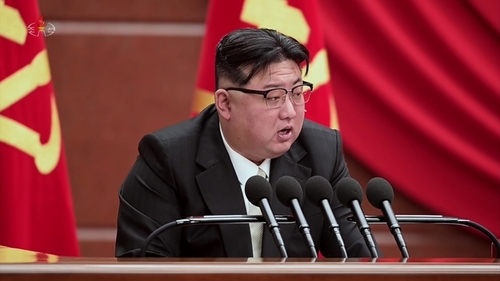
북미 간 상이한 한반도의 비핵화 해법 때문에 북한은 핵을 포기하지 않겠다는 증거가 서서히 수면위로 떠오르기 시작한다. 일부 논객들은 북한은 ‘절대로’ 핵을 포기 하지 않을 것이라고 주장하기도 한다. 이 주장이 점차로 설득력이 있어 보이는 이유는 최근 북한이 지속적으로 핵 무력을 강화하고 있기 때문이라고 주장한다.
그러나 김정은 국무 위원장이 한반도 비핵화의 두 가지 전제조건만 충족되면 핵을 포기 하겠다고 트럼프 전 대통령에게 제안한지가 4년이 지났지만 미국은 두 개의 조건을 충족하려는 노력이 안보이자 북한은 체제보장을 위해 핵 무력 증강에 박차를 가하고 있다고 보인다.
김정은 위원장의 조건부 조선(한)반도의 비핵화 제안
만약 미국이 지금이라도 두 개의 필요조건인 (1)대북적대시 정책 철회와 (2)북한체제 보장만 충족한다면 북한은 핵을 포기 할 것인가? 필자는 “그렇다”라고 서슴없이 답하겠다. 김정은 위원장은 조건부 조선반도의 비핵화를 제안했음을 잊어서는 안 된다. 이 두 조건은 북한체제보장을 위해 김정은 위원장이 공개적으로 제안했기 때문이다. 그리고 최고 존엄이 약속한 것이다. 그러나 현시점에서 미국은 두 개 조건을 충족하려는 의도가 전혀 보이지 않는다.
그러면 북한이 핵무장을 하게 된 기본 동기를 이해하면 북한을 핵 포기하도록 설득하는데 도움이 될 것이다. 북한이 핵무장의 근본적인 동기는 북한은 “미국의 대북적대시 정책과 북한 체제의 안전보장 때문”이라고 주장한다. 따라서 북한 지도부가 피 포위 강박 증(siege mentality)에 시달리고 있어 siege mentality 로부터 벗어나려면 적어도 김정은 위원장이 핵 포기를 위한 2개 전제조건이 충족되어야 한다고 생각한다. 현시점에서 피 포위 강박증에 시달리고 있는 북한지도부는 핵 보유가 북한체제 보장과 주권을 보장하는 유일한 수단이라고 믿기 때문에 필자는 2개 전제조건이 충족되지 않는 한 핵 포기 하지 않을 것으로 판단된다.
이제 북한은 핵 보유국이다. 그러나 아직은 핵 강국은 아니지만 북한지도부는 핵이 체제보장을 하고 있다고 믿기 때문에 국제사회가 북한체제를 보장해 준다면 김정은 위원장은 핵을 포기하겠다고 2018년 3월초에 확약한바 있다. 최고 존엄이 이런 확약을 했기 때문에 2개조건만 미국과 국제사회가 충족한다면 북한은 핵을 포기할 것으로 이해한다.
현시점에서 북한이 핵 보유국 지위를 유엔 안보리 5개 상임이사국들은 인정하지 않고 있다. 미국과 국제사회의 핵 포기 압력과 제재에도 불구하고 북한이 이젠 쉽게 핵무기를 포기할 수 없음을 이해 할 수 있다. 그러나 일부 논객들은 북한이 결코 핵을 포기하지 않을 것이라고 주장만 아직은 그 주장이 설득력이 없어 보인다. 앞에서 지적한 바와 같이 김정은 위원장의 조건부 비핵화를 국제사회가 수용한다면 북한은 핵무기소유를 포기 할 것으로 보인다. 그러나 미국이 김정은 위원장의 2개 전제조건을 수용하지 않기 때문에 북핵문제는 쉽게 풀리지 않을 것이다.
북한이 주장하는 한반도 비핵화 5대 조건
공식적으로 2016 년 7 월 6 일 한반도 비핵화에 관한 공화국 성명에 유의해야 한다. 북한은 한반도의 비핵화를 위해 5 가지 요구를 했다: (1)미국이 남한에 반입 한 모든 핵무기의 공개, (2)남한의 모든 핵무기와 미군기지 내 핵무기 해체 및 검증, (3)미국이 한반도와 그 주변에 핵 공격 수단 배치금지 보장, (4)대북 핵무기 불사용 약속, (5)주한 미군 철수 선언. 다섯 번째 요구가 대단히 중요하다. 즉각 철수가 아닌 '주한 미군 철수 선언'을 요구하였는데 주한 미군 주둔에 대한 북한의 입장 변화로 보인다. 이 새로운 입장은 김정일이“조선 반도에 미군을 유지하는 것이 우리에 대한 적대적 입장이 아닌 평화 유지 목적으로 유지하는 것이 바람직하다”고 말한 것과 일치한다.
필자의 북한의 핵 포기 5대 조건 제안
현시점에서 필자가 북한의 핵 포기를 위한 5 대 핵심 조건이 조성되어야 한다고 주장한다.
첫째, 가장 중요한 것은 건설적인 대화를 통한 남북 관계의정상화이다. 남북이 한반도 문제 해결의 핵심 주체가 되어야 하며, 상호양보와 타협을 통한 협상 없이는 남북 관계 정상화를 이룰 수 없다는 점을 지적하고자 한다. 북한이 남북 간의 건설적인 대화 없이 어떻게 핵무기를 포기할까? 남북한이 주권 국가로서의 관계를 정상화하기 위해서는 남북한이 남북간 기본 조약을 체결하고 남북한은 각 수도에 대표 사무소를 설치가 바람직하다.
둘째, 남북한과 4 대강국 (미국, 중국, 러시아, 일본)의 교차 승인이 바람직하다. 한국 정부는 올해 중국, 러시아와의 수교 정상화 30 주년을 맞이한다. 그러나, 북한은 아직 한국, 미국, 일본과의 수교 정상화는 아직 이루어지지 않았다. 따라서 4강과 남북 간 교차승인 이뤄져야 한다. 이런 동북아 체제가 정상적으로 작동하게 될 것이며 북한은 국제사회의 책임 있는 일원으로 세계무대에 등장하게 될 것이다.
셋째, 동북아 평화와 안정을 위한 가장 중요한 변수는 미중 간 협력 관계 유지이다. 미중 협력 체제는 한반도 문제를 해결하고 동북아 지역을 안정시키는 데 중요한 변수이다. 미중 협력 체제를 유지하는 것은 북한이 핵무기를 포기할 수 있는 핵심 변수가 될 수 있다. 미국-중국 전략적 경쟁은 동북아체제의 불안정의 원인이기 때문에 북한이 핵무기를 포기하지 않는 요인으로도 남아 있다.
 ▲ 북한 미사일 발사 장면. ©브레이크뉴스 |
넷째, 미국-중국-남한-북한 4자가 향후 체결 할 가칭 “한반도 평화 조약”이 한반도 비핵화의 초석이 될 것이다. 한반도 평화조약이 김정은 위원장이 제안한 두 개의 비핵화 전제조건을 충족시킬 수 있으며 대북적대시 정책철회와 북한체제의 보장을 담보 할 수 있는 유일한 방안이 되기 때문이다.
다섯째, 빠른 시일 내에 남한-북한-미국 3자가 한반도 비핵화 로드맵에 합의를 하고. 3자 회담에서 한반도 비핵화의 의미에 합의하고 입구론 과 출구론 이 분명히 명시한 단계적 로드맵에 합의하는 것이 바람직하다. 지금까지 한반도비핵화의 정의에 대한 합의도 없고 비핵화를 어떻게 이룰 것인가에 대한 논의가 없었기 때문에 핵심쟁점에 합의를 이루지 못한 것이 유감스럽다.
한반도의 비핵화는 모든 관련 당사자, 특히 미국, 중국 북한, 한국, 4자 간의 상호 양보와 타협을 통해 실현 될 수 있다. 북한이 핵 포기 하지 않으면 평화도 없고, 미중 양국 간 화해. 협력과 공조와 타협이 없으면 지속 가능한 한반도 평화의 제도화를 기대할 수 없을 것이다.
곽태환(郭台煥) 박사(Dr. Tae-Hwan Kwak) 프로필
한국외국어대 학사, 미국 Clark 대학원 석사, 미국 Claremont Graduate University 국제관계학 박사. 전 미국 Eastern Kentucky대학교 국제정치학 교수; 전 경남대 극동문제연구소 소장/교수; 전 통일연구원 원장. 현재 미국 이스턴 켄터키대 명예교수, 경남대 초빙 석좌교수, 한반도 미래전략 연구원 이사장, 한반도중립화통일협의회 명예 이사장, 통일전략연구협의회(LA) 회장, 미주 민주참여포럼(KAPAC)상임고문, 평통 LA 협의회 상임고문 등. 통일뉴스 특별공로상 수상(2021), 경남대 명예정치학 박사 수여(2019), 글로벌평화재단 혁신학술연구분야 평화상 수상(2012). 32권의 저서, 공저 및 편저; 칼럼, 시론, 학술논문 등 450편 이상 출판; 주요저서: 『한반도평화, 비핵화 그리고 통일: 어떻게 이룰 것인가?』 (통일뉴스, 2019), 『국제정치 속의 한반도: 평화와 통일구상』 공저: 『한반도 평화체제 의 모색』 등; 영문책 Editor/Coeditor: One Korea: Visions of Korean Unification (Routledge, 2017) 등. thkwak38@hotmail.com.
*아래는 위 기사를 '구글 번역'으로 번역한 영문 기사의 [전문]입니다. '구글번역'은 이해도 높이기를 위해 노력하고 있습니다. 영문 번역에 오류가 있을 수 있음을 전제로 합니다.<*The following is [the full text] of the English article translated by 'Google Translate'. 'Google Translate' is working hard to improve understanding. It is assumed that there may be errors in the English translation.>
Why is North Korea unable to give up its nuclear weapons at this point?
“If only (1) withdrawal of hostile policy toward North Korea and (2) North Korea regime guarantees are met, North Korea will give up its nuclear weapons”
-Kwak Tae-hwan, former director of the Institute for National Unification
Evidence that North Korea will not give up its nuclear weapons is slowly starting to surface because of the different solutions to denuclearization on the Korean Peninsula between the US and North Korea. Some commentators argue that North Korea will “never” give up its nuclear weapons. It is argued that the reason why this argument seems increasingly persuasive is that North Korea continues to strengthen its nuclear force in recent years.
However, four years have passed since Chairman Kim Jong-un proposed to former President Trump that he would give up his nuclear program if only two prerequisites for denuclearization of the Korean Peninsula were met. It seems to be spurring the reinforcement of the armed forces.
Chairman Kim Jong-un's conditional proposal for denuclearization of the Korean peninsula
Will North Korea give up its nuclear weapons if the US meets only two necessary conditions, (1) withdrawing its hostile policy toward North Korea and (2) guaranteeing the North Korean regime? I will answer “yes” without hesitation. It should not be forgotten that Chairman Kim Jong-un proposed the conditional denuclearization of the Korean peninsula. This is because these two conditions were publicly proposed by Chairman Kim Jong-un to ensure the North Korean regime. And supreme dignity has promised. At this point, however, the United States has no intention of meeting both conditions.
Understanding the underlying motives for North Korea's nuclear armament will then help persuade North Korea to give up its nuclear weapons. North Korea argues that the fundamental motive for North Korea's nuclear armament is "because of the US hostile policy toward North Korea and the security of the North Korean system." Therefore, the North Korean leadership is suffering from a siege mentality, and in order to escape from the siege mentality, I believe that at least two prerequisites for Chairman Kim Jong-un to give up their nuclear weapons are met. The North Korean leadership, suffering from an obsession with blood siege at this point, believes that possessing nuclear weapons is the only way to guarantee North Korea's regime and sovereignty.
North Korea is now a nuclear power. However, although it is not yet a nuclear power, the North Korean leadership believes that the nuclear system provides a system guarantee, so if the international community guarantees the North Korean system, Chairman Kim Jong-un promised in early March 2018 that he would give up his nuclear weapons. Since the supreme dignity made this commitment, I understand that North Korea will give up its nuclear weapons if only two conditions are met by the United States and the international community.
At this point, the five permanent members of the UN Security Council do not recognize North Korea's status as a nuclear power. It is understandable that North Korea cannot easily give up its nuclear weapons, despite pressure and sanctions from the US and the international community. However, some commentators claim that North Korea will never give up its nuclear weapons, but that argument doesn't seem convincing yet. As pointed out earlier, if the international community accepts the conditional denuclearization of Chairman Kim Jong-un, North Korea is likely to give up its possession of nuclear weapons. However, the North Korean nuclear issue will not be resolved easily because the United States does not accept the two preconditions of Chairman Kim Jong-un.
North Korea's five conditions for denuclearization of the Korean Peninsula
Officially, it should be noted the statement of the Republic of Korea on the denuclearization of the Korean Peninsula on July 6, 2016. North Korea made five demands for the denuclearization of the Korean Peninsula: (1) disclosure of all nuclear weapons brought into South Korea by the United States, (2) dismantling and verification of all nuclear weapons in South Korea and nuclear weapons in U.S. bases, and (3) US engagement with the Korean Peninsula. Guaranteed prohibition of deployment of nuclear weapons in the vicinity, (4) promise not to use nuclear weapons against North Korea, and (5) declaration of withdrawal of US forces from Korea. The fifth requirement is very important. They demanded a 'declaration of the withdrawal of US forces from Korea' rather than an immediate withdrawal, which seems to be a change in North Korea's position on the presence of US forces in Korea. This new position is in line with what Kim Jong-il said, "It is desirable to keep US troops on the Korean peninsula for the purpose of maintaining peace, not for the purpose of maintaining a hostile position against us."
My Proposal of Five Conditions for North Korea to Give Up its Nuclear Weapons
At this point, I argue that the five key conditions for North Korea to give up its nuclear program must be created.
First, the most important thing is the normalization of inter-Korean relations through constructive dialogue. I would like to point out that the two Koreas should be the key actors in resolving the Korean Peninsula problem, and normalization of inter-Korean relations cannot be achieved without negotiation through mutual concessions and compromises. How will North Korea give up its nuclear weapons without constructive dialogue between the two Koreas? In order to normalize relations between the two Koreas as a sovereign state, it is desirable for the two Koreas to sign a basic treaty between the two Koreas and to set up representative offices in each capital.
Second, cross-approval between South and North Korea and the four major powers (USA, China, Russia, and Japan) is desirable. The South Korean government will celebrate the 30th anniversary of normalization of diplomatic ties with China and Russia this year. However, North Korea has yet to normalize diplomatic relations with South Korea, the United States, and Japan. Therefore, cross-approval between the four major powers and the South and the North must be made. This Northeast Asian system will function normally, and North Korea will appear on the world stage as a responsible member of the international community.
Third, the most important variable for peace and stability in Northeast Asia is the maintenance of cooperative relations between the US and China. The US-China cooperation system is an important variable in resolving the Korean Peninsula problem and stabilizing the Northeast Asian region. Maintaining the US-China cooperation system could be a key variable for North Korea to give up its nuclear weapons. Since the US-China strategic competition is a cause of instability in the Northeast Asian regime, North Korea remains a factor in not giving up its nuclear weapons.
Fourth, the “Peace Treaty on the Korean Peninsula” tentatively signed by the US, China, South Korea, and North Korea will serve as a cornerstone for the denuclearization of the Korean Peninsula. This is because a peace treaty on the Korean Peninsula can satisfy the two preconditions for denuclearization proposed by Chairman Kim Jong-un and is the only way to ensure the withdrawal of hostile policies and guarantees of the North Korean regime.
Fifth, South Korea, North Korea, and the United States should agree on a roadmap for the denuclearization of the Korean Peninsula as soon as possible. It is desirable to agree on the meaning of denuclearization of the Korean Peninsula at the trilateral talks and to agree on a step-by-step roadmap clearly stated in the entry and exit theories. It is regrettable that no consensus has been reached on key issues as there has been no consensus on the definition of denuclearization of the Korean Peninsula and there has been no discussion on how to achieve denuclearization.
The denuclearization of the Korean Peninsula can be realized through mutual concessions and compromises among all relevant parties, especially the United States, China, North Korea, and South Korea. If North Korea does not give up its nuclear weapons, there will be no peace and reconciliation between the US and China. Without cooperation, cooperation and compromise, sustainable institutionalization of peace on the Korean Peninsula cannot be expected.
Profile of Dr. Tae-Hwan Kwak
BA from Hankuk University of Foreign Studies, MA from Clark Graduate School, USA, Ph.D. from Claremont Graduate University, USA. Former Professor of International Politics, Eastern Kentucky University, USA; Former Director/Professor of the Institute for Far Eastern Studies, Kyungnam University; Former Director of the Institute for National Unification. Currently, he is an emeritus professor at Eastern Kentucky University, a visiting professor at Kyungnam University, chairman of the Korean Peninsula Future Strategy Research Institute, honorary chairman of the Korean Peninsula Neutralization and Unification Council, chairman of the Unification Strategy Research Council (LA), a standing adviser at the American Democratic Participation Forum (KAPAC), and a standing adviser at the American Association for Democracy (KAPAC). etc. He was awarded the Unification News Special Achievement Award (2021), awarded the Honorary Doctor of Politics from Kyungnam University (2019), and received the Global Peace Foundation Peace Prize for Innovative Academic Research (2012). 32 books, coauthors and compilations; Published more than 450 articles, including columns, poems, and academic papers; Major books: 『Peace, denuclearization and unification of the Korean Peninsula: How to achieve it?』 (Unification News, 2019), 『The Korean Peninsula in International Politics: Peace and Unification Initiative』 Co-authors: 『The Search for a Peace System on the Korean Peninsula』, etc.; English Book Editor/Coeditor: One Korea: Visions of Korean Unification (Routledge, 2017), etc. thkwak38@hotmail.com.