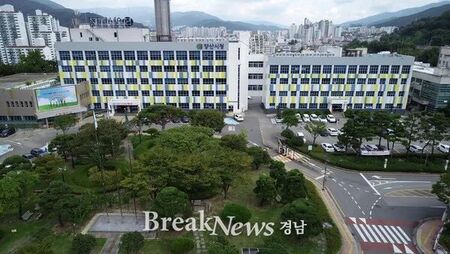
▲ 경기도청 청사 전경 (C) |
경기도가 올해 219개 노후 공동주택 단지를 대상으로 공용시설 보수비용 총 98억5,000만 원을 지원할 계획이라고 1월 19일 밝혔다.
올해는 지원 대상을 의무관리대상 공동주택까지 확대해 준공 후 15년 이상인 공동주택이면 어디든 가능하다. 다만 의무관리대상 공동주택 지원 분야는 승강기 전면 교체 또는 안전 부품 교체에 한정된다. 승강기가 도민의 생활안전과 밀접하게 관련된 점, 공동주택의 장기수선충당금만으로는 승강기 전면 교체 비용을 충당하기 어려운 점 등을 고려한 것이다. 비의무관리대상 공동주택은 기존 지원사업과 동일하게 세대 내부 벽같은 전유부분을 제외한 모든 공용시설 유지보수 비용을 지원한다.
세부적으로는 의무관리대상 공동주택은 49개 단지에 최대 1억2,000만 원이 지원되며, 비의무관리대상 공동주택은 170개 단지에 규모별로 최대 1,600만 원에서 4,000만 원까지 지원된다.
경기도는 2019년부터 관리주체와 장기수선충당금 적립 의무가 없어 시설유지관리에 어려움을 겪고 있는 300세대 미만 소규모(비의무관리대상) 공동주택을 대상으로 공용시설 유지보수 비용을 지원하고 있다.
경기도는 2022년까지 4년간 총 1,082개 단지에 180억 원을 지원해 당초 계획했던 목표량 622개 단지보다 1.7배나 많은 단지를 지원했다. 2022년에는 276개 단지에 옥상방수·외벽균열 보수 및 재도장 등에 소요되는 비용 56억 원을 지원했으며, 수혜단지 입주민을 대상으로 실시한 만족도 설문조사에서 86%가 사업에 ‘만족한다’고 답해 정책에 대한 호응도가 높은 것으로 나타났다.
이계삼 경기도 도시주택실장은 “올해는 공동주택 관리가 취약한 비의무관리대상 공동주택뿐만 아니라 도민 안전을 위해 의무관리대상 공동주택까지 지원 대상을 확대했다”며 “열악한 주거환경 개선 및 도민의 주거 안정을 위해 지속적으로 힘쓰겠다”고 말했다.
신청 방법 등 자세한 내용은 관할 시·군별 주택과(또는 건축과)로 문의하면 된다.
아래는 위 기사를 ‘Google 번역’으로 번역한 영문 기사의 ‘전문’이다. ‘Google 번역’은 이해도를 높이기 위해 노력하고 있다. 영문 번역에 오류가 있을 수 있음을 전제로 한다. <*The following is [the full text] of the English article translated by ‘Google Translate’ and amended. ‘Google Translate’ is working hard to improve understanding. It is assumed that there may be errors in the English translation.>
Gyeonggi-do supports 9.85 billion won for repairing old apartment houses this year
Support plan for a total of 219 complexes, including apartment houses subject to mandatory management
Gyeonggi-do announced on January 19 that it plans to support a total of 9.85 billion won in public facility repair costs for 219 old apartment complexes this year.
This year, the target of support has been expanded to include apartment houses subject to mandatory management. However, the field of apartment housing support subject to mandatory management is limited to the replacement of the entire elevator or replacement of safety parts. It took into account the fact that elevators are closely related to the life safety of the residents and that it is difficult to cover the cost of replacing the entire elevator with only the long-term repair allowance for apartment houses. For multi-unit housing subject to non-mandatory management, maintenance costs for all public facilities are supported, excluding exclusive areas such as the inner walls of households, the same as the existing support projects.
In detail, a maximum of 120 million won is provided to 49 apartment complexes subject to mandatory management, and a maximum of 16 million to 40 million won is provided to 170 apartment complexes subject to non-mandatory management, depending on size.
Since 2019, Gyeonggi-do has been supporting public facility maintenance costs for small-scale (non-mandatory management) apartment houses with less than 300 households that are experiencing difficulties in facility maintenance because there is no obligation to accumulate long-term repair reserves with the management body.
Gyeonggi-do provided 18 billion won to a total of 1,082 complexes for four years until 2022, 1.7 times more than the originally planned target of 622 complexes. In 2022, KRW 5.6 billion was provided to 276 complexes for roof waterproofing, repair of exterior wall cracks, and repainting. It was found that the response rate was high.
Lee Gye-sam, head of the Gyeonggi-do Urban Housing Office, said, “This year, we have expanded the target of support to not only multi-unit housing subject to non-mandatory management, but also multi-unit housing subject to mandatory management for the safety of citizens. We will continue to work hard for it,” he said.
For more information, such as how to apply, contact the housing department (or architecture department) of your local city or county.
원본 기사 보기:경기브레이크뉴스&주간현대신문