▲ 정길선 박사 ©브레이크뉴스 |
대략 3억5천만명의 구자라트 족이 인도 중앙의 서부 지역 전역과 구자라트 지방에서 흩어져 살고 있다. 현재 구자라트 지방은 인도에서 가장 산업화 된 지방의 하나로써 이동 인구가 많은 곳이다. 해안선이 길기 때문에 무역과 관광 산업이 집중적으로 발달하였다. 비폭력적인 힌두교의 문화는 힌두교도들이 다른 나라에 지배를 받게 하는 원인이 되었다. 인도는 이슬람교도, 모굴인, 마라타, 그리고 영국에 의해 지배를 당하였다.
구자라트 족은 힌두교와 이슬람교 사이에 존재하는 종교적인 성향의 차이에도 불구하고 비교적 평화를 지켜온 민족이다. 그들의 재능과 사업수완은 세계 여러 곳에서 부를 축척하고 성공적으로 정착함으로써 널리 알려지게 되었다. 구자라트 족의 언어는 구자라트어로써 인도계-아리안 계통의 방언으로 알려져 있다. 인도계-아리안 어는 지역과 카스트 제도, 그 공동체에 따라 서로 다른 아주 다양한 계통을 가진 언어이다.
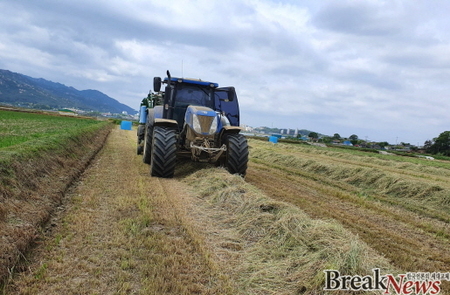
구자라트 지방 70% 이상의 농가들이 면화를 주요 작물로 재배하고 있다. 그 밖에도 사탕수수, 담배, 땅콩버터 등을 재배했다. 밀도 구자라트 지방의 주요 작물 중 하나로써 쌀과 함께 습한 지역에서 재배된다. 구자라트 족의 농경 기술이 향상되면서 트랙터를 이용해 농작물의 생산량이 늘어나게 되었다. 그러나 아직까지 그들은 나이 어린 어린이들의 노동력을 이용하여 부족한 생산량을 보충하고 있는 실정이다. 농업 뿐 아니라 구자라트 지역에서 생산되는 섬유, 플라스틱, 화학, 중공업의 현장에서 어린이 인력이 사용되고 있다.
구자라트 족의 사회 계층은 다수의 힌두교도들과 소수의 자티스(Jatis)로 분류되어진다. 카스트의 제도는 사회적 진출 뿐 아니라 관습, 예절, 습관에 이르기까지 거의 모든 면에서 영향을 끼치고 있다. 브라만 계급인 성직자와 학자들은 최상위 계급으로써 세습되며, 빈민 계층의 사람들은 결코 진출할 수 없는 직업이다. 소수의 자티스가 다수의 하층민을 지배하고 있다. 각 계층마다 판차야트(Panchayat)라 불리우는 공동체의 우두머리가 있어서 사회적 관습을 수호한다.
구자라트 족 힌두교도들의 사회에서 전사와 상인은 브라만에 이어 두 번째의 상류층에 속한다. 바니아(상인, Bania)은 인도에 섬유 센터를 설립해 운영하면서 최고의 부를 축척하였다. 그들은 전통적인 방법으로 직물을 짜는 직공이었으나 현재는 실크 산업을 예술적으로 발전시켰다. 구자라트 족의 목공 기술과 금속 기술, 황금 세공 기술과 도자기는 유명하다. 목축을 사육하거나 우유를 생산하여 판매하는 사람은 종교적인 영향으로 인하여 존경을 받고 있다. 노동자와 어부, 기름과 쌀의 생산인, 재단사, 이발사, 가죽 기술자들은 그 다음 계층이다.
그리고 죽은 동물이나 쓰레기를 처리하는 인부들은 최하위 그룹이다. 구자라트 족 가운데 이슬람교도들은 상인과 공무원에 이르기까지 다양한 직업에서 종사하고 있다. 그들은 절대적으로 같은 계층 내부에서만 결혼하며 결혼할 때 신부를 베일로 가려 다른 곳에 분리시켜두는 푸르다(Purdah)의 관습을 지켜오고 있다. 구자라트 족의 88%가 힌두교도이다. 윤회설 또는 죽음과 출생의 반복설은 힌두교리의 중요한 핵심 교리이다. 구자라트 족은 그들의 신에게 헌신하고 사람들만큼 동물을 사랑하고 감사하면 다음 세상에서 자신들의 삶의 위치가 훨씬 더 좋아진다고 믿는다.
구자라트 족 가운데 이슬람교도는 약 6.6%로써 이슬람교도들은 힌두교도들의 다신 숭배를 경멸하며 오로지 알라 신만을 섬긴다. 나머지 4%는 힌두교에서 파생된 자인교(Jains) 의 교도들이다. 많은 상인들이 중요한 위치를 차지하고 있다. 구자라트 족에게 있어 브라만 계급은 최상의 계층으로써 삶의 윤회를 통해서 닿을 수 있는 절대적인 평화의 신분으로 여겨지고 있다.
*필자/ 정길선.
노바토포스 회원, 역사학자, 고고인류학자, 칼럼니스트, 러시아 과학아카데미 유라시아 고고인류학연구소 연구교수.
*아래는 위 기사를 '구글 번역'으로 번역한 영문 기사의 [전문]입니다. '구글번역'은 이해도 높이기를 위해 노력하고 있습니다. 영문 번역에 오류가 있을 수 있음을 전제로 합니다.<*The following is [the full text] of the English article translated by 'Google Translate'. 'Google Translate' is working hard to improve understanding. It is assumed that there may be errors in the English translation.>
The History and Cultural Anthropological Analysis of the Emergence and Growth of Gujarati in India
columnist Jeong Gil-sun
Approximately 350 million Gujaratuses live scattered throughout the western part of central India and the countryside. Currently, Gujarat is one of the most industrialized regions in India and has a large mobile population. Due to its long coastline, the trade and tourism industries were intensively developed. The nonviolent Hindu culture has caused Hindus to be ruled by other countries. India was ruled by Muslims, Moguls, Maratha, and the United Kingdom.
The Gujaratuses are ethnic groups that have maintained a relatively peaceful existence despite differences in religious tendencies between Hinduism and Islam. Their talents and business skills have become widely known in many parts of the world through the accumulation of wealth and their successful settlement. The Gujarati language is Gujarati, known as the Indo-Aryan dialect. The Indo-Aryan language is a language with a wide variety of different lines depending on region, caste system, and community.
More than 70% of farmers in Gujarat grow cotton as their main crop. In addition, sugarcane, tobacco, and peanut butter were cultivated. It is one of the major crops in the dense Gujarat region and is grown in humid areas along with rice. As the agricultural technology of the Gujarat people has improved, the production of crops has increased by using tractors. However, so far, they are using the labor force of young children to make up for the lack of production. In addition to agriculture, children's manpower is used in the fields of textiles, plastics, chemicals, and heavy industry produced in Gujarat.
The social class of the Gujarati is classified into a large number of Hindus and a small number of Jatis. The caste system affects not only social advancement but also almost everything from customs, manners, and habits. The Brahmin class of clergy and scholars is inherited to the highest class, and the poor class is a job that can never be advanced. A small number of Jatis dominate the majority of the lower class. Each class has a leader of a community called Panchayat to defend social customs.
In the Gujarati Hindu society, warriors and merchants are the second most upper class, after the Brahmins. Bania established and operated a textile center in India, to scale their wealth. They were weavers using traditional methods of weaving, but now they have developed the silk industry artistically. The Gujaratuses' woodworking and metallic techniques, gold-making techniques, and ceramics are famous. Those who breed cattle herders, or produce and sell milk are respected for their religious influence. Workers and fishermen, producers of oil and rice, tailors, barbers, and leather engineers are in the next class.
And workers who dispose of dead animals and trash are in the lowest group. Among the Gujaratuses, Muslims work in a variety of occupations, ranging from merchants and civil servants. They marry only within the same class, and when they marry, they keep the Purdah custom of keeping the bride covered with a veil and separated her somewhere else. 88 percent of the Gujaratuses are Hindus. The reincarnation theory, or repetition of death and birth, is an important core doctrine of Hinduism. The Gujaratuses believe that if they devote themselves to their gods and love and appreciate animals as much as people, their place in the next world will be much better.
About 6.6 percent of the Gujaratuses are Muslims, and Muslims despise the Hindus for polytheism and serve only the God of Allah. The remaining 4 percent are Jains, who are derived from Hinduism. Many merchants occupy important positions. For the Gujaratuses, the Brahmin class is considered the highest class and the status of absolute peace that can be reached through the reincarnation of life.