브레이크뉴스 김충열 정치전문기자 = 정부의 2030년 해상풍력 보급 목표(14.3GW) 달성 시, 최대 36만 개에 육박하는 양질의 신규 일자리가 창출될 수 있다는 분석이 나왔다.
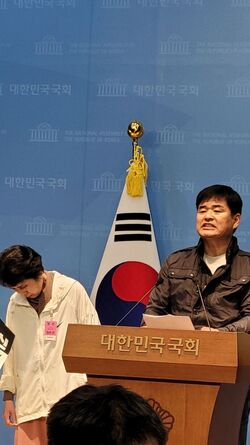
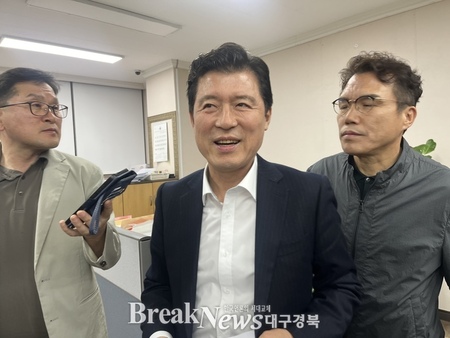
 ▲ 허종식 의원은 “해상풍력은 탄소중립과 산업 경쟁력, 일자리 창출까지 세 마리 토끼를 잡을 수 있는 거대한 기회”라며 “하지만 핵심 부품 국산화와 전문 인력 양성이라는 두 가지 전제 조건이 충족되지 못하면 ‘속 빈 강정’으로 전락할 수 있다”고 지적했다. © 김충열 정치전문기자 |
더불어민주당 허종식 의원(국회 산자중기위, 인천 동구미추홀구갑)은 2025년 국정감사를 맞아 우리나라 해상풍력 산업 현황과 고용 효과를 다룬 ‘해상풍력과 일자리 창출 효과’ 정책보고서를 발간했다.
현재 국내 풍력발전은 대부분 육상풍력에 치우쳐 있으며 해상풍력은 여전히 초기 단계에 머물러 있다. 올해 10월 말 기준, 해상풍력 누적 설치용량은 약 0.12GW 수준으로, 정부 목표 대비 실제 운용 수준은 매우 미미한 실정이다.
보고서는 이처럼 보급 실적은 미미한 현실임에도, 기후 위기 대응과 RE100 이행 등 산업 경쟁력 확보를 위해 해상풍력 확대가 ‘필수 과제’임을 강조하고, 이 과정에서 막대한 고용 창출로 이어질 수 있다고 분석했다.
 ▲ 허 의원은 “정부가 직접 나서서 시장의 불확실성을 제거하고, 특화인력 육성을 위한 투자에 적극 나서야 한다”며 “확고한 R&D 투자와 정책적 지원으로 국내 공급망을 강화하고, 대학·연구기관과 연계한 체계적인 전문 인력 양성 시스템을 구축해 ‘바람’이 ‘에너지’가 되고, 그 ‘에너지’가 우리 청년들과 지역 경제의 ‘양질의 일자리’가 되는 선순환 구조를 만드는 데 총력을 다하겠다”고 밝혔다. © 김충열 정치전문기자 |
2030년 14.3GW 목표 달성 시, 신규 일자리 35만 7,500개 창출
보고서는 그린피스(GreenPeace) 모델을 인용, 2030년까지 14.3GW 설치 목표가 달성될 경우 총 35만7,500개의 신규 일자리가 창출될 것으로 추정했다.
고용 분야별로는 ▲터빈·하부구조물 등 ‘제조업’(35%) ▲단지 설치 ‘건설업’(35%)이 가장 큰 비중을 차지했다.
특히, 단지 수명(20년 이상) 전반에 걸쳐 안정적 고용이 이뤄지는 ‘운영·정비(O&M)’ 분야가 20%(약 7만1,500명)를 차지해, 해상풍력이 단기 건설직뿐만 아니라 장기적인 ‘양질의 일자리’ 공급원이 될 수 있음을 시사했다. 또한, 이는 조선·해양 플랜트 등 기존 국내 주력 산업의 인프라 및 숙련 인력과 시너지를 낼 수 있는 기회로 평가된다.
다만, 보고서는 이러한 긍정적 전망을 실현하기 위해 선결해야 할 과제들도 지적했다. 첫째, 핵심 부품의 높은 해외 의존도다. 터빈, 블레이드, 나셀 등 핵심 기자재의 국산화율이 낮아, 대규모 단지를 건설하더라도 일자리와 부가가치가 해외 기업으로 유출되는 ‘낙수효과 없는 성장’이 될 수 있다는 우려다.
둘째, 심각한 ‘인력 수급 불균형’ 문제다. 보고서는 단기적으로 인력 수요를 공급이 받쳐주지 못하는 문제가 발생할 것을 우려했다. 주 원인으로는 ▲석·박사급 전문 연구 인력 부족 ▲단기 프로젝트 중심 산업 구조로 인한 숙련도 저하 ▲발전단지 배후 지역의 생활 여건 부족 등이 꼽혔다.
보고서는 이러한 문제 해소를 위해 정부가 추진해야 할 단계별 정책과제를 제시했다. 단기적으로 ‘사업 인허가 간소화’ 및 ‘배후항만 인프라 투자 보조 활성화’를 통해 초기 인프라를 확장하고, 중·장기적으로는 정부의 정책 의지가 반영된 ‘규제 완화’와 ‘R&D 지원을 통한 자재 국산화’가 필요하다고 제언했다.
또한, 원활한 인력 수급을 위해 ‘직무역량 표준화’, ‘유사산업 유휴인력 전환’, ‘해상풍력 전문인력 양성체계 구축’ 등 인력 양성 지원 및 발전단지 배후 지역의 생활 인프라 확충도 병행돼야 함을 짚었다.
허종식 “공급망 강화·인력 양성 시급… ‘바람이 일자리’ 되는 선순환 만들어야"
허종식 의원은 “해상풍력은 탄소중립과 산업 경쟁력, 일자리 창출까지 세 마리 토끼를 잡을 수 있는 거대한 기회”라며 “하지만 핵심 부품 국산화와 전문 인력 양성이라는 두 가지 전제 조건이 충족되지 못하면 ‘속 빈 강정’으로 전락할 수 있다”고 지적했다.
허 의원은 “정부가 직접 나서서 시장의 불확실성을 제거하고, 특화인력 육성을 위한 투자에 적극 나서야 한다”며 “확고한 R&D 투자와 정책적 지원으로 국내 공급망을 강화하고, 대학·연구기관과 연계한 체계적인 전문 인력 양성 시스템을 구축해 ‘바람’이 ‘에너지’가 되고, 그 ‘에너지’가 우리 청년들과 지역 경제의 ‘양질의 일자리’가 되는 선순환 구조를 만드는 데 총력을 다하겠다”고 밝혔다. hpf21@naver.com
* 아래는 위 기사를 '구글 번역'으로 번역한 영문 기사의 [전문]입니다. '구글번역'은 이해도 높이기를 위해 노력하고 있습니다. 영문 번역에 오류가 있을 수 있음을 전제로 합니다. *The following is [the full text] of the English article translated by 'Google Translate'. 'Google Translate' is working hard to improve understanding. It is assumed that there may be errors in the English translation.
Heo Jong-sik: "If we achieve 14.3 GW of offshore wind power, we will create 360,000 'quality jobs'"
High dependence on overseas suppliers for core components raises concerns about job loss... Urgent need for localization and workforce development
Break News Political Reporter Kim Choong-lyoul = Analysis suggests that if the government achieves its 2030 offshore wind power distribution target (14.3 GW), up to 360,000 new, quality jobs could be created.
Democratic Party of Korea lawmaker Heo Jong-sik (National Assembly Industry, SMEs and Startups Committee, Dong-gu and Michuhol-gu A, Incheon) published a policy report titled "Offshore Wind and its Job Creation Effects," which examines the current state of the Korean offshore wind power industry and its employment impact, in preparation for the 2025 parliamentary audit.
Currently, domestic wind power generation is largely concentrated on onshore wind power, with offshore wind power still in its infancy. As of the end of October this year, the cumulative installed capacity of offshore wind power stood at approximately 0.12 GW, significantly lower than the government's target. This is the reality.
Despite the meager deployment figures, the report emphasized that expanding offshore wind power is a "critical task" to address the climate crisis, ensure industrial competitiveness, and achieve RE100 compliance. It also analyzed that this process could lead to significant job creation.
If the 14.3 GW target is achieved by 2030, 357,500 new jobs will be created.
Citing the Greenpeace model, the report estimated that if the 14.3 GW installation target is achieved by 2030, a total of 357,500 new jobs will be created.
By sector, the largest employment sectors were manufacturing (35%), including turbines and infrastructure, and construction (35%), including complex installation.
Notably, the "Operations and Maintenance (O&M)" sector, which provides stable employment throughout the complex's lifespan (over 20 years), accounted for 20% (approximately 71,500 people). The report suggests that offshore wind power can be a source of long-term, high-quality jobs, not just short-term construction jobs. Furthermore, it is seen as an opportunity to create synergy with the infrastructure and skilled workforce of existing domestic key industries, such as shipbuilding and offshore plants.
However, the report also identified challenges that must be addressed to realize this positive outlook. First, the high reliance on overseas suppliers for core components. The low domestic production rate of key components, such as turbines, blades, and nacelles, raises concerns that even if large-scale complexes are built, jobs and added value could flow out to overseas companies, resulting in growth without a trickle-down effect.
Second, the report addresses the serious issue of a "labor supply and demand imbalance." The report expressed concern that in the short term, supply will not be able to meet demand. Key factors cited include: a shortage of specialized research personnel with master's and doctoral degrees; a decline in skill levels due to the industry's focus on short-term projects; and inadequate living conditions in areas surrounding power plants.
The report proposed a phased policy agenda for the government to address these issues. In the short term, the report proposed "simplification of business permits" and "promotion of subsidies for investment in hinterland port infrastructure." He suggested expanding the initial infrastructure through this initiative, and in the mid- to long-term, "deregulation" and "domestication of materials through R&D support" reflecting the government's policy commitment are necessary.
He also emphasized the need for parallel efforts to ensure a smooth supply and demand of human resources, including "standardization of job competencies," "transferring idle personnel from similar industries," and "establishing a training system for offshore wind power professionals." He also emphasized the need to expand the living infrastructure in areas surrounding power plants.
Heo Jong-sik: "Strengthening the supply chain and developing human resources are urgently needed… "We must create a virtuous cycle where wind power becomes jobs."
Representative Heo Jong-sik stated, "Offshore wind power represents a tremendous opportunity to kill three birds with one stone: carbon neutrality, industrial competitiveness, and job creation." However, he added, "If the two prerequisites of domestic production of core components and training of specialized personnel are not met, it could end up being nothing more than an empty promise."
Representative Heo stated, "The government must directly step forward to eliminate market uncertainty and actively invest in fostering specialized talent. We will strengthen the domestic supply chain through solid R&D investment and policy support, and establish a systematic professional training system in partnership with universities and research institutes. We will dedicate ourselves to creating a virtuous cycle where wind power becomes energy, and that energy becomes quality jobs for our youth and local economies." hpf21@naver.com