▲▲ 필자/곽태환 박사. ©브레이크뉴스 |
한반도는 1953년 정전협정 이후 72년 이상 분단 상태를 유지하고 있으며, 남북한은 각기 독립된 정치체제와 정부를 운영해왔다. 이러한 현실에도 불구하고 대한민국 헌법 제3조는 한반도 전체를 대한민국의 영토로 규정하고 있으며, 한반도 평화통일을 국가의 궁극적 목표로 설정하고 있다. 그러나 최근 북한의 ‘국가 대 국가’ 2국가론 선언과 남한의 실질적 대응은 남북관계의 법적•정치적 정체성에 대한 근본적인 재검토를 요구하고 있다.
2025년 11월 17일, 대한민국 정부는 군사적 긴장 완화를 위해 북한에 군사 회담을 제안했으나, 북한은 이에 대해 응답하지 않고 군사분계선(MDL)을 반복적으로 침범하며 군사적 압박을 강화하고 있다. 이러한 상황은 남북 간 우발적 무력 충돌의 위험을 고조시키는 동시에, 남북관계의 법적 구조와 정책적 방향성에 대한 성찰을 촉발하고 있다.
이 칼럼은 대한민국 헌법 제3조의 영토 조항과 남북한 간 사실상의 2국가 체제 현실 사이의 모순을 분석하고, 이 모순을 전략적으로 관리하면서 적대적 평화 공존을 제도화할 수 있는 가능성을 탐색 하고자 한다. 헌법적 이상과 국제정치적 현실 사이의 간극을 인정하면서도, 이를 극복하기 위한 법적•전략적 유연성의 필요성을 제기하는 것이 본 연구의 핵심 목적이다.
헌법 제3조와 남북관계의 법적 구조
대한민국 헌법 제3조는 “대한민국의 영토는 한반도와 그 부속도서로 한다”고 명시하고 있다. 이는 대한민국이 한반도 전체에 대한 유일한 합법 정부임을 전제로 하며, 북한 지역 역시 대한민국의 영토로 간주함을 의미한다. 이러한 규정은 제4조의 “자유민주적 기본질서에 입각한 평화적 통일 정책 수립”과 함께, 헌법이 통일을 지향하는 국가 정체성을 내포하고 있음을 보여준다.
그러나 실질적으로 한반도에는 두 국가 즉 대한민국(ROK)과 조선민주주의인민 공화국(DPRK)이 72년 이상 별개의 정치체제와 정부를 유지해 왔으며, 국제사회 에서도 북한은 독립된 실체로 간주되고 있다. 이에 따라 남북관계는 법적으로는 ‘특수관계’로 규정되지만, 실질적으로는 ‘사실상의 국가 간 관계’로 운영되고 있다. 헌법재판소 역시 1997년 판례(96헌가14)에서 북한을 ‘반국가단체’로 규정하면서도, 동시에 ‘사실상의 국가’로서 일정한 국제법적 주체성을 인정한 바 있다.
또한 1991년의 『남북기본합의서』, 2000년의 『6•15 남북공동선언』, 2018년 의 『판문점 선언』 등은 남북이 상호 체제를 인정하고, 평화공존과 교류협력을 추구하는 방향으로 나아가고 있음을 보여준다. 이는 헌법 제3조의 이상과는 일정한 간극을 보이지만, 남북관계의 실질적 진전을 위한 불가피한 현실적 조치로 해석된다.
일부헌법학자들은 헌법이 통일을 규범으로서 설정하는 동시에, 현실적 평화 공존을 위한 협력체계 구축의 규준으로 기능해야 한다고 주장하며, 헌법의 해석과 적용에 있어 전략적 유연성과 현실주의적 접근이 필요함을 강조하고 있다.
2국가론의 대두와 정책적 필요성
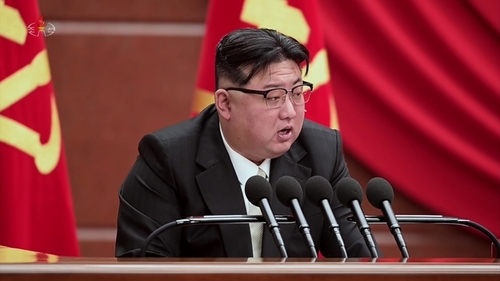
2023년 12월, 김정은 위원장은 노동당 전원회의에서 남한을 ‘제1주적’으로 규정하고, 남북관계를 ‘국가 대 국가’로 전환하겠다고 선언하였다. 이는 기존의 민족공조와 통일지향적 접근을 부정하고, 남한과의 관계를 외교적•군사적 대립 구도로 재편하겠다는 전략적 의지를 반영한다. 이에 대해 대한민국 정부는 공식적으로는 헌법적 입장을 고수하고 있으나, 실무 차원에서는 사실상 북한을 독립된 협상 주체로 대우하며, 군사회담 제안, 단계적 비핵화 전략 등을 통해 전략적으로 유연한 접근을 시도하고 있는 것이다.
이러한 흐름은 과거 독일의 동서독 관계와 유사한 측면이 있다. 서독은 동독을 국가로 공식 인정하지 않으면서도, 1972년 『기본조약』을 통해 동독과의 관계를 ‘특수한 관계’로 규정하고 실질적인 외교•경제 협력을 전개하였다. 이는 통일을 지향하면서도 현실을 인정하는 ‘이중 프레임 전략’의 대표적 사례로, 한반도에도 시사하는 바가 크다.
일부 학자는 헌법 제3조의 해석과 관련하여, 남북관계의 변화에 따라 헌법의 규범적 기능이 현실과 충돌할 수 있으며, 이를 해소하기 위해서는 헌법 해석의 적극성과 실정법 보완이 필요하다고 주장한다.
전략적 모순 관리의 필요성과 가능성
헌법 제3조와 2국가 현실론 사이의 모순은 단순한 법리적 충돌을 넘어, 국가 정체성과 대북정책의 방향성에 대한 근본적 질문을 제기한다. 그러나 헌법 개정은 국회의원 3분의 2 이상 찬성과 국민투표 과반이라는 높은 문턱을 요구하며, 정치적으로도 민감한 사안이기 때문에 단기간 내 개정은 사실상 불가능하다.
따라서 이 모순을 해결하려 하기보다는, 전략적 유연성을 갖고 ‘관리’하는 접근이 필요하다. 즉, 헌법적 이상은 유지하되, 정책적 차원에서는 현실을 반영하는 ‘이중 프레임 전략’을 통해 평화공존을 제도화하는 것이다. 이는 헌법의 해석 가능성을 열어두고, 남북 관계법 및 관련 정책을 통해 전략적 유연성을 확보 함으로써 실현 가능할 것이다.
이러한 전략은 모순을 인정하고 이를 창의적으로 활용하는 ‘전략적 모순 관리’의 일환으로 볼 수 있다. 이는 법적 이상과 정치적 현실이 병존할 수 있다는 전제 하에, 남북 간 긴장과 충돌을 최소화하면서도 장기적으로 한반도 평화와 통일의 가능성을 열어두는 방식이 될 것이다.
우발적 군사 충돌 가능성과 제도적 대응
2025년 들어 북한은 군사분계선(MDL)을 반복적으로 침범하며 군사적 긴장을 고조시키고 있다. 한국 국방부 발표에 따르면, 북한은 2025년 상반기부터 11월까지 총 10회 이상 MDL을 넘는 군사행동을 감행하였으며, 이 과정에서 남측의 경고 사격이 수차례 발생하였다. 북한은 또한 비무장지대(DMZ) 내에 철책선을 재설치 하고, 지뢰 매설 및 대전차 방벽을 구축하는 등 정전협정 이후 사실상 중단되었 던 군사 작업을 재개하였다고 발표했다. 이러한 일련의 조치는 단순한 경계 강화 차원을 넘어, 남측의 군사적 대응을 유도하고 협상에서의 주도권을 확보하려는 전략적 의도가 내포되어 있는 것으로 분석된다.
이러한 군사적 긴장 고조는 남북 간 소통 채널의 단절과 맞물리며, 우발적 무력충돌의 가능성을 더욱 증대시키고 있다. 특히 1953년 정전협정 체결 이후 설치된 MDL 표지판의 상당수가 유실되거나 훼손되어, 남북 간 경계선에 대한 인식 차이가 존재하는 상황이다. 이로 인해 현장 군인의 판단에 따라 충돌이 발생할 가능성이 상존하며, 이는 단순한 국지적 충돌을 넘어 전면적 군사 충돌로 확산될 수 있는 위험성을 내포하고 있다.
이러한 상황에서 가장 시급한 과제는 우발적 충돌을 방지하기 위한 제도적 대응 체계의 복원과 강화이다. 첫째, MDL 기준선의 명확화가 필요하다. 이를 위해 남북이 공동으로 MDL 표지판을 재 설치하고, 경계선에 대한 상호 인식을 일치 시키는 작업이 선행되어야 한다. 이는 군사적 충돌의 직접적 원인을 제거 하는 데 기여할 수 있다.
둘째, 군사적 소통 채널의 복원이 필수적이다. 2018년 판문점 선언 이후 설치된 남북 군 통신 선은 2021년 이후 사실상 단절된 상태이며, 이는 위기 상황에서의 오해와 오판을 증폭시키는 요인으로 작용하고 있다. 군사 핫라인의 복원과 정례 적 군사 당국자 회담의 재개는 긴장 완화와 신뢰 구축의 출발점이 될 수 있다.
셋째, 제3국 또는 국제기구를 통한 중재 메커니즘의 도입이 고려될 수 있다. 예컨대, 정전협정의 당사자인 유엔군사령부를 통한 중재 채널을 재활성화하거나, 중립국감독위원회(NNSC)의 역할을 확대하여 군사적 충돌 방지 및 정보 공유 기능을 강화하는 방안이 있다. 이는 남북 간 직접 소통이 어려운 상황에서 중립적 제3자의 개입을 통해 위기 상황을 완화할 수 있는 현실적 대안이 될 수 있다.
넷째, 남북 간 군사적 신뢰 구축 조치(CBM)의 재정비가 필요하다. 2018년 9•19 군사 합의는 군사분계선 일대에서의 적대행위 중단, 비행금지구역 설정, 공동 유해 발굴 등을 포함하고 있었으나, 현재 대부분의 조치가 사실상 무력화된 상태이다. 이를 복원하고, 새로운 CBM을 설계함으로써 군사적 긴장을 제도적으로 관리할 수 있는 기반을 마련해야 한다.
끝으로, 국제사회와의 협력 강화도 중요하다. 미국, 중국, 러시아 등 주요 관련국과의 전략적 소통을 통해 북한의 군사적 도발에 대한 공동 대응 방안을 마련하고, 남북 간 군사적 긴장 완화를 위한 외교적 지지 기반을 확보할 필요가 있다. 특히 미중 간 전략 경쟁이 심화되는 상황에서, 한반도에서의 군사적 긴장 완화는 동북아 전체의 안보 안정성 과도 직결되는 사안이다.
결론적으로, 남북 간 우발적 무력 충돌의 가능성은 단순한 군사적 문제가 아니라, 남북관계의 구조적 긴장과 소통 부재, 제도적 공백이 복합적으로 작용한 결과이다. 따라서 이를 해소하기 위해서는 단기적 대응을 넘어, 제도적•정치적 신뢰 구축을 위한 중장기 전략이 병행되어야 하며, 이는 평화공존의 제도화를 위한 필수적 전제조건이라 할 수 있다.
정책 제언
남북관계는 지금, 헌법적 이상과 국제정치적 현실 사이의 구조적 모순을 안고 있는 전환기에 놓여 있다. 헌법 제3조는 대한민국의 영토를 한반도 전체로 규정함으로써 통일을 지향하는 국가 정체성을 명확히 하고 있지만, 현실적으로 남북한은 독립된 정치체제와 주권을 가진 국가로 기능하고 있다. 북한은 이를 공식화하며 남북관계를 ‘국가 대 국가’로 규정하고 있으며, 한국 정부 역시 실무적 차원에서는 이를 사실상 수용하는 방향으로 정책을 전개하고 있다.
이러한 상황에서 헌법 제3조의 개정은 정치적으로 극히 어려운 과제이며, 국민적 합의와 정치권의 초당적 협력이 없이는 실현 개연성이 낮다. 따라서 이 모순을 해결하려 하기보다는, 전략적으로 관리하면서 평화공존을 제도화하는 접근이 현실적이다. 이는 헌법적 이상은 유지하되, 정책적 차원에서는 현실을 반영하는 ‘이중 프레임 전략’을 통해 실현 가능하며, 독일의 동서독 관계에서 나타난 사례는 이를 뒷받침하는 유의미한 비교 대상이 된다.
필자는 정책적으로는 다음과 같은 제언을 하려고 한다. 첫째, 헌법 해석의 유연성을 확보하여 남북관계의 변화에 대응할 수 있는 법적 기반을 마련해야 한다. 둘째, 남북 관계법 및 관련 정책을 정비하여 사실상의 2국가 체제를 인정하는 방향으로 교류협력의 제도화를 추진해야 한다. 셋째, 군사적 긴장 완화를 위한 제도적 장치를 강화하고, 국제사회와의 연계를 통해 평화공존의 외교적 정당성을 확보해야 한다. [구체적 제안에 대해 필자의 칼럼 참조, 곽태환, “한반도 평화 구조의 제도화와 ‘남북기본조약’의 전략적 필요성,”통일뉴스 (2025. 10.20),https://www.tongilnews.com/news/articleView.html?idxno=214809]
궁극적으로, 한반도 평화는 이상과 현실 사이의 균형 위에서만 지속 가능하다. 헌법적 정체성을 훼손하지 않으면서도, 현실을 직시하고 유연하게 대응하는 전략 이야말로 지금의 남북관계에 가장 필요한 접근일 것이다. 이러한 전략적 모순 관리는 평화통일을 향한 장기적 여정에서 반드시 거쳐야 할 과도기적 단계이며, 이를 제도화하는 것이 향후 남북관계의 안정성과 지속성을 담보하는 핵심이 될 것이다.
*필자/곽태환박사, 전 통일연구원 원장/한반도미래전략연구원 이사장.
미 Claremont 대학원 대학교 국제 관계학 박사. 전 미 Eastern Kentucky 대학교 국제정치학 교수; 전 경남대 극동문제연구소 소장/교수; 6대 통일연구원 원장. 현재 미국 이스턴 켄터키 대 명예교수, 경남대 초빙 석좌교수, 한반도미래전략연구원 이사장 등, 통일뉴스 특별 공로상 수상 (2021), 경남대 명예 정치학 박사 수여(2019), 글로벌평화재단(GPF)의 혁신 학술 연구 분야 평화상 수상(2012). 36권의 저서, 공저 및 편저; 칼럼, 시론, 학술논문 등 600편 이상 출판; 주요 저서: 『한반도 평화, 비핵화 그리고 통일: 어떻게 이룰 것인가?』 (통일뉴스, 2019), 공저: 『한반도 문제 해법: 새로운 모색』(학술정보, 2024), 『한반도 비핵•평화 체제의 모색』(매봉, 2023) 등; 영문 책 Editor/co-editor: One Korea: Visions of Korean Unification (Routledge, 2017); 등. 이 메일: thkwak38@hotmail.com
*아래는 위 기사를 '구글 번역'으로 번역한 영문 기사의 [전문]입니다. '구글번역'은 이해도 높이기를 위해 노력하고 있습니다. 영문 번역에 오류가 있을 수 있음을 전제로 합니다.<*The following is [the full text] of the English article translated by 'Google Translate'. 'Google Translate' is working hard to improve understanding. It is assumed that there may be errors in the English translation.>
Article 3 of the Constitution and the Reality of a Two-State North-South Korea...'Strategic Contradiction of Peaceful Coexistence on the Korean Peninsula'
- Kwak Tae-hwan, Former President of the Korea Institute for National Unification
The Korean Peninsula has remained divided for over 72 years since the 1953 Armistice Agreement, with North and South Korea each operating independent political systems and governments. Despite this reality, Article 3 of the Constitution of the Republic of Korea defines the entire Korean Peninsula as South Korean territory and sets the peaceful unification of the Korean Peninsula as the ultimate goal of the nation. However, North Korea's recent declaration of a "state-to-state" two-state theory and South Korea's substantive response call for a fundamental reexamination of the legal and political identity of inter-Korean relations.
On November 17, 2025, the South Korean government proposed military talks with North Korea to ease military tensions. However, North Korea has not responded and has repeatedly violated the Military Demarcation Line (MDL) and intensified military pressure. This situation heightens the risk of unintentional armed conflict between the two Koreas, while also prompting reflection on the legal structure and policy direction of inter-Korean relations.
This column analyzes the contradiction between the territorial provisions of Article 3 of the Constitution of the Republic of Korea and the de facto two-state system between North and South Korea. It explores the possibility of strategically managing this contradiction and institutionalizing hostile peaceful coexistence. While acknowledging the gap between constitutional ideals and international political realities, the core objective of this study is to highlight the need for legal and strategic flexibility to overcome this gap.
Article 3 of the Constitution and the Legal Structure of Inter-Korean Relations
Article 3 of the Constitution of the Republic of Korea stipulates, "The territory of the Republic of Korea shall consist of the Korean Peninsula and its adjacent islands." This presupposes that the Republic of Korea is the sole legitimate government of the entire Korean Peninsula, and North Korea is also considered part of South Korean territory. This provision, along with Article 4's mandate to "establish a policy of peaceful unification based on the fundamental principles of liberal democracy," demonstrates that the Constitution embodies a national identity that pursues unification. However, in reality, the Korean Peninsula is divided into two countries: the Republic of Korea (ROK) and the Democratic People's Republic of Korea (DPRK), which have maintained separate political systems and governments for over 72 years. North Korea is also regarded as an independent entity by the international community. Consequently, while inter-Korean relations are legally defined as a "special relationship," they operate in practice as "de facto relations between states." In a 1997 case (96Hun-Ga14), the Constitutional Court, while defining North Korea as an "anti-state organization," also recognized its status as a "de facto state" under international law.
Furthermore, the 1991 Inter-Korean Basic Agreement, the 2000 June 15th Inter-Korean Joint Declaration, and the 2018 Panmunjom Declaration demonstrate that the two Koreas recognize each other's systems and are moving toward peaceful coexistence, exchanges, and cooperation. While this represents a gap from the ideals enshrined in Article 3 of the Constitution, it is interpreted as an inevitable and practical measure for substantive progress in inter-Korean relations. Some constitutional scholars argue that the Constitution should both establish unification as a norm and serve as a standard for establishing a cooperative system for realistic peaceful coexistence. They emphasize the need for strategic flexibility and a realistic approach in the interpretation and application of the Constitution.
The Emergence of the Two-State Theory and the Policy Necessity
In December 2023, at the Workers' Party of Korea plenary session, Chairman Kim Jong-un declared South Korea as the "primary enemy" and declared that he would transform inter-Korean relations into a "state-to-state" framework. This reflects a strategic intent to reject the existing approach of national cooperation and unification and to restructure relations with South Korea into a diplomatic and military confrontational framework. While the South Korean government officially maintains its constitutional position, in practice, it treats North Korea as an independent negotiating entity and attempts a strategically flexible approach through proposals for military talks and a phased denuclearization strategy.
This trend bears resemblance to the past relationship between East and West Germany. While West Germany did not officially recognize East Germany as a state, it defined its relationship with East Germany as a "special relationship" through the 1972 Basic Treaty and engaged in substantial diplomatic and economic cooperation. This is a prime example of a "dual frame strategy" that pursues unification while simultaneously acknowledging reality, and has significant implications for the Korean Peninsula.
Some scholars argue that the interpretation of Article 3 of the Constitution could conflict with reality as inter-Korean relations evolve, arguing that proactive constitutional interpretation and supplementary positive law are necessary to resolve this conflict.
The Necessity and Possibility of Managing Strategic Contradiction
The contradiction between Article 3 of the Constitution and the two-state realism goes beyond mere legal conflict; it raises fundamental questions about national identity and the direction of North Korea policy. However, constitutional amendment requires the high threshold of approval of at least two-thirds of the National Assembly and a majority of the national referendum, and because it is politically sensitive, revision is virtually impossible in the short term.
Therefore, rather than attempting to resolve this contradiction, a strategically flexible and "managing" approach is necessary. In other words, peaceful coexistence will be institutionalized through a "dual frame strategy" that maintains constitutional ideals while reflecting reality at the policy level. This will be achieved by leaving open the possibility of constitutional interpretation and securing strategic flexibility through inter-Korean relations laws and related policies.
This strategy can be viewed as part of "strategic contradiction management," which acknowledges and creatively utilizes contradictions. Under the premise that legal ideals and political realities can coexist, this approach will minimize tensions and conflicts between the two Koreas while preserving the possibility of long-term peace and unification on the Korean Peninsula.
Possibility of Unintended Military Conflict and Institutional Response
Since 2025, North Korea has repeatedly violated the Military Demarcation Line (MDL), escalating military tensions. According to the South Korean Ministry of National Defense, North Korea conducted military actions crossing the MDL more than ten times between the first half of 2025 and November, resulting in numerous warning shots from the South. North Korea also announced the resumption of military operations that had been virtually suspended since the armistice agreement, including the rebuilding of barbed wire fences, minelaying, and the construction of anti-tank barriers within the Demilitarized Zone (DMZ). These measures go beyond simple security enhancement and are believed to be strategically designed to provoke a military response from the South and secure the upper hand in negotiations.
This heightened military tension, coupled with the disruption of communication channels between the two Koreas, is further increasing the possibility of unintended military clashes. In particular, many of the MDL signs installed since the 1953 Armistice Agreement have been lost or damaged, creating a gap in perception of the inter-Korean border. This creates a constant risk of clashes erupting based on the judgment of soldiers on the ground, potentially escalating beyond mere localized clashes into full-scale military conflict.
In this context, the most urgent task is to restore and strengthen the institutional response system to prevent unintended clashes. First, the MDL baseline must be clearly defined. To achieve this, the two Koreas must jointly reinstall MDL signs and prioritize a shared understanding of the border. This can contribute to eliminating the direct causes of military conflict.
Second, the restoration of military communication channels is essential. The inter-Korean military communication lines established after the 2018 Panmunjom Declaration have been effectively severed since 2021, exacerbating misunderstandings and miscalculations in crisis situations. Restoring the military hotline and resuming regular military authorities' talks could serve as a starting point for easing tensions and building trust.
Third, the introduction of a mediation mechanism through a third country or international organization could be considered. For example, revitalizing the mediation channel through the United Nations Command, a party to the Armistice Agreement, or expanding the role of the Neutral Nations Supervisory Commission (NNSC) to strengthen its role in preventing military conflict and sharing information. In situations where direct communication between the two Koreas is difficult, these could offer a realistic alternative to defuse crises through the intervention of a neutral third party. Fourth, the inter-Korean military confidence-building measures (CBMs) need to be reorganized. The September 19, 2018 Military Agreement included a cessation of hostilities along the Military Demarcation Line (MDL), the establishment of a no-fly zone, and joint excavation of remains. However, most of these measures are currently effectively nullified. These measures must be restored and a new CBM designed to establish a foundation for institutionally managing military tensions.
Finally, strengthening cooperation with the international community is crucial. Through strategic communication with key stakeholders, such as the United States, China, and Russia, a joint response to North Korea's military provocations must be developed, and a foundation for diplomatic support for easing inter-Korean military tensions must be secured. Particularly amidst the intensifying strategic competition between the United States and China, easing military tensions on the Korean Peninsula is directly linked to the security and stability of Northeast Asia as a whole.
In conclusion, the possibility of an accidental armed conflict between the two Koreas is not simply a military issue; it is the complex result of structural tensions, lack of communication, and institutional vacuums in inter-Korean relations. Therefore, to resolve this issue, a mid- to long-term strategy for building institutional and political trust must be pursued in parallel, beyond short-term responses. This is an essential prerequisite for institutionalizing peaceful coexistence.
Policy Recommendations
Inter-Korean relations are currently at a turning point, embracing a structural contradiction between the constitutional ideal and the realities of international politics. Article 3 of the Constitution defines the territory of the Republic of Korea as the entire Korean Peninsula, clearly establishing a national identity that pursues unification. However, in reality, North and South Korea function as independent political systems and sovereign states. North Korea formally defines inter-Korean relations as a "state-to-state" relationship, and the South Korean government is also pursuing policies that effectively accept this at a practical level.
Under these circumstances, amending Article 3 of the Constitution is an extremely difficult political undertaking, and its feasibility is low without national consensus and bipartisan cooperation. Therefore, rather than attempting to resolve this contradiction, a more realistic approach is to strategically manage it and institutionalize peaceful coexistence. This can be achieved through a "dual frame strategy" that maintains constitutional ideals while reflecting reality at the policy level. The case of East-West Germany provides a meaningful comparison to support this.
From a policy perspective, I would like to offer the following recommendations. First, flexibility in constitutional interpretation should be secured to establish a legal foundation capable of responding to changes in inter-Korean relations. Second, inter-Korean relations laws and related policies should be revised to institutionalize exchanges and cooperation in a way that recognizes a de facto two-state system. Third, institutional mechanisms for easing military tensions should be strengthened and diplomatic legitimacy for peaceful coexistence should be secured through collaboration with the international community. [For specific suggestions, see my column, Kwak Tae-hwan, “Institutionalization of the Korean Peninsula Peace Structure and the Strategic Necessity of the ‘Inter-Korean Basic Treaty,’” Tongil News (October 20, 2025), https://www.tongilnews.com/news/articleView.html?idxno=214809]
Ultimately, peace on the Korean Peninsula can only be sustained through a balance between ideals and reality. A strategy that confronts reality and responds flexibly, while preserving constitutional identity, is the most necessary approach to inter-Korean relations today. Managing these strategic contradictions is an essential transitional step in the long-term journey toward peaceful unification, and institutionalizing it will be key to ensuring the stability and sustainability of inter-Korean relations in the future.
▲ Author/Dr. Kwak Tae-hwan. ©Break News
*Author/Dr. Kwak Tae-hwan, former President of the Korea Institute for National Unification and Chairman of the Korea Institute for Future Strategy.
Ph.D. in International Relations, Claremont Graduate University. Former Professor of International Politics, Eastern Kentucky University. Former Director/Professor, Kyungnam University Institute for Far Eastern Studies. Sixth President of the Korea Institute for National Unification. Currently Professor Emeritus at Eastern Kentucky University, Visiting Professor at Kyungnam University, and Chairman of the Korea Institute for Future Strategy. He received the Tongil News Special Achievement Award (2021), the Honorary Doctorate in Political Science from Kyungnam University (2019), and the Global Peace Foundation (GPF) Peace Prize for Innovative Academic Research (2012). Author, co-author, or editor of 36 books. He has published over 600 columns, opinion pieces, and academic papers. His major publications include "Peace, Denuclearization, and Unification on the Korean Peninsula: How Can We Achieve It?" (Tongil News, 2019), co-authored "Solution to the Korean Peninsula Problem: A New Exploration" (Haksul Information, 2024), and "Search for a Denuclearization and Peace Regime on the Korean Peninsula" (Maebong, 2023). He is the Editor/Co-editor of English books: One Korea: Visions of Korean Unification (Routledge, 2017). Email: thkwak38@hotmail.com